MEDINDIA
 English
 हिन्दी
 Español
 français
 中文
中文
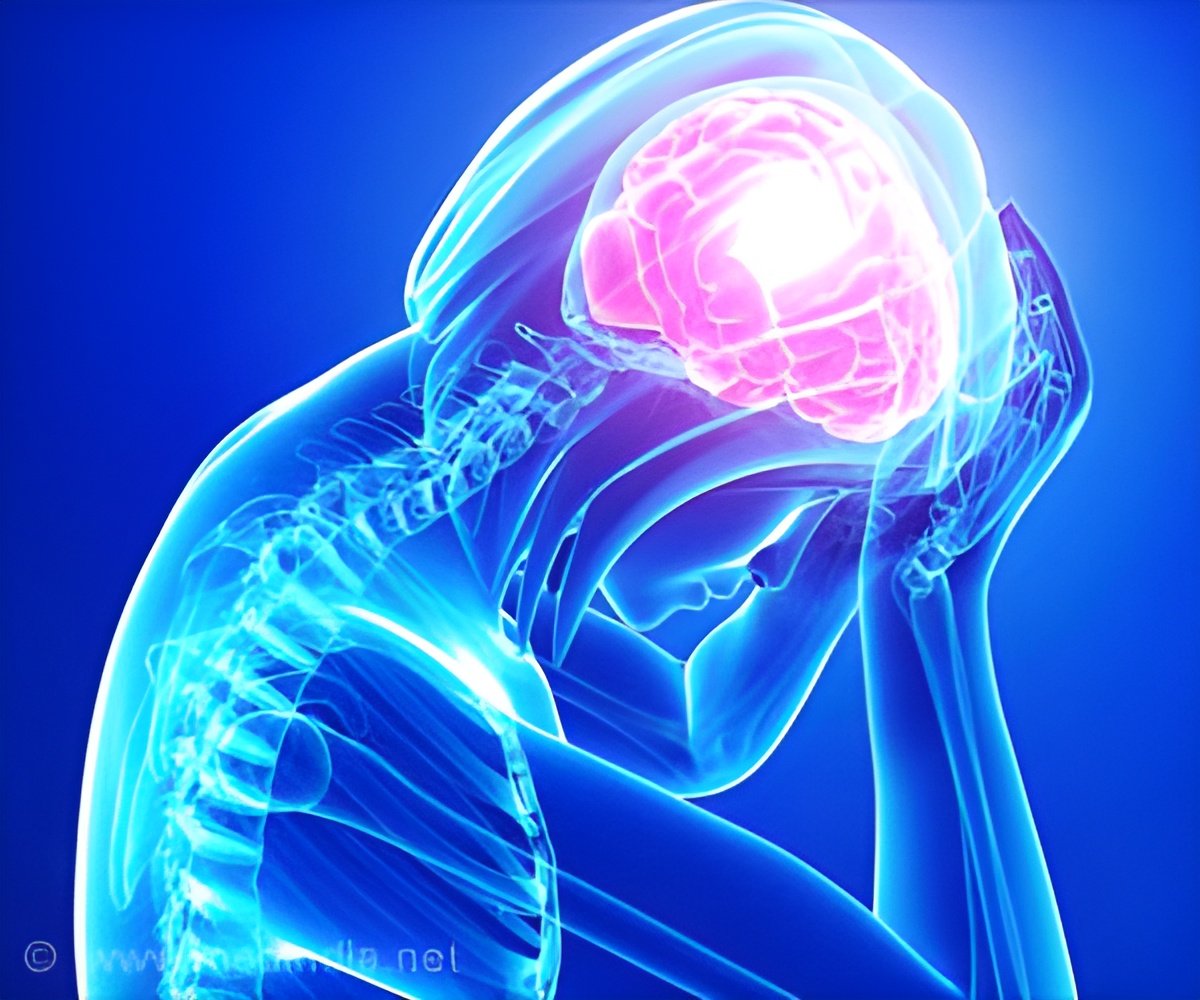
An association between high inflammatory marker levels in the brain and depression was discovered by scientists.
Depression - Symptom Evaluation
Depression occurs due to alterations in the levels of neurotransmitters in the brain.
Depression occurs due to alterations in the levels of neurotransmitters in the brain.
TOP INSIGHT

Increased inflammation in depression affects reward circuits of the brain.
An earlier study was done in persons suffering from persistent anhedonia (even after treatment) and also with high levels of inflammatory markers. There was evidence of an improved response to treatment with anti-inflammatory antibody infliximab.
Studies have shown that hypofunction of monoamine neurotransmitter systems (5-HT & norepinephrine), and abnormal hypothalamo-pituitary-adrenal axis regulation might be a few organic causes for this disease.

Depression Screening Test
Online Depression Screening Test tells if you have mild or chronic depression based on your depression symptoms. Learn how to deal with depression by using this self-assessment calculator.
Online Depression Screening Test tells if you have mild or chronic depression based on your depression symptoms. Learn how to deal with depression by using this self-assessment calculator.
- Reactive/Neurotic/Psychological – It involves an exaggerated response in grief or particular adverse situations.
- Melancholic/Endogenous – It usually occurs in middle or later years of life and people have a greater tendency to commit suicide in this group.
“Anhedonia is a core symptom of depression that is particularly difficult to treat. Some patients taking antidepressants continue to suffer from anhedonia,” says Dr.Felger.

Herbs that Reduce Anxiety and Depression
Read on to find out which herbs and herbal products are useful and effective in treating the chronic and recurring disorders such as anxiety and depression.
Read on to find out which herbs and herbal products are useful and effective in treating the chronic and recurring disorders such as anxiety and depression.
“High levels of the inflammatory marker CRP (C-reactive protein) in patients with depression were linked to a failure in communication between regions of the brain important for motivation and reward, as seen through brain imaging.”

Can Reading Books Increase Stress Levels and Cause Depression
People read books for relaxation. But some self-help books may increase your stress levels due to higher secretion of cortisol hormone than other books.
People read books for relaxation. But some self-help books may increase your stress levels due to higher secretion of cortisol hormone than other books.
The major limitation of the study was the presence of a healthy control group. Yet, Dr. Felger hopes that their data will help reverse anhedonia in depressed patients who do not respond to antidepressants. She is now planning on testing the efficacy of L-DOPA in the treatment of resistant major depression.
“We hope our investigations may lead to new therapies to treat anhedonia in patients with depression and high inflammation,” she says.
In conclusion, the study has provided a new perspective on depression and its treatment. An effort to remove the stigma revolving around mental health issues, and such research to improve existing methods of their management will help the wide majority of depressed people emerge out of their cocoons and seek timely medical assistance.
References:
1. http://news.emory.edu/stories/2015/11/brain_imaging_depression_felger/2. Davidson’s Principles & Practice of Medicine – 21st Edition
3. Pharmacology and Pharmacotherapeutics by R.S. Satoskar – 21st Edition
Source-Medindia
 Email
Email