MEDINDIA
 English
 हिन्दी
 Español
 français
 中文
中文

Targeted lifestyle changes, particularly Mediterranean-style diet and physical activity, reduce endometrial cancer risk, but success varies based on weight, genetics, and cultural factors.
Highlights:
Endometrial cancer has shown a yearly increase of 1.5 percent since 2010, particularly affecting premenopausal women in high-income regions (1✔ ✔Trusted Source- Mediterranean and plant-based diet is linked to lower endometrial cancer risk
- Physical activity, such as brisk walking for 30 to 60 minutes most days, can help lower the risk
- Obesity and genetic factors strongly influence dietary intervention outcomes
Dietary and Lifestyle Strategies for Endometrial Cancer Prevention: Emerging Evidence and Unanswered Questions
Go to source). Obesity accounts for 40 to 60 percent of preventable cases, placing dietary habits and physical activity at the forefront of preventive measures.
Endometrial Cancer
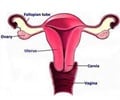
Cancer of the Endometrium, or the inner lining of the uterus (womb) is called endometrial cancer.
Cancer of the Endometrium, or the inner lining of the uterus (womb) is called endometrial cancer.
TOP INSIGHT

Did You Know?
Endometrial cancer risk has been rising by 1.5 percent annually since 2010, and up to 60 percent of preventable cases are linked to obesity and lifestyle.
#endometrialcancer #lifestyle #medindia
Impact of Dietary Patterns on Cancer Risk
The Mediterranean eating style, rich in fruits, vegetables, and whole grains with anti-inflammatory effects, is linked to a 13 percent reduction in endometrial cancer risk. However, its effectiveness appears to differ based on factors like body weight, ethnicity, and economic background.The ketogenic approach supports weight loss and insulin regulation, both critical for prevention, but carries potential health concerns, including nutrient deficiencies and liver or kidney stress.

Lifetime Risk Calculator for Cancers
What are your chances for developing some common cancers in your lifetime - find out now.
What are your chances for developing some common cancers in your lifetime - find out now.
Diabetes-Focused and Soy-Rich Diets
The Diabetes Risk Reduction Diet, emphasizing fiber and reduced sugar intake, lowers risk but is less effective among older adults, people withSoy-based compounds, known as isoflavones, appear beneficial for populations in Asian regions with high soy intake, though they may pose risks for individuals with hormone-sensitive conditions or a history of cancer.

Coffee May Help You Fight Endometrial Cancer
Caffeinated coffee intake is found to provide better protection against the risk of endometrial cancer, a specific type of uterus cancer.
Caffeinated coffee intake is found to provide better protection against the risk of endometrial cancer, a specific type of uterus cancer.
Controversies Around Diet and Body Weight
A key point of debate is whether diet independently affects cancer development or whether its impact is mainly through changes in body mass index. In long-term studies, body weight accounts for 84 to 93 percent of the link between diet and cancer risk.Additionally, differing outcomes between regions like Asia and Western countries show the need for location-specific guidelines.
Uterine Cancer / Endometrial Cancer - Symptoms - Risk Factors – Prognosis - Treatment
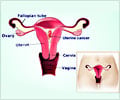
Uterine Cancer or Cancer of the Uterus (or Endometrial Cancer) refer to cancers affecting the uterus or the womb in women. Learn about the different types of uterine cancer, symptoms, staging, diagnosis, prognosis, treatment, survival rates and news on uterine cancer.
Uterine Cancer or Cancer of the Uterus (or Endometrial Cancer) refer to cancers affecting the uterus or the womb in women. Learn about the different types of uterine cancer, symptoms, staging, diagnosis, prognosis, treatment, survival rates and news on uterine cancer.
Role of Physical Activity and Lifestyle Habits
Engaging in 7.5 to 15 metabolic equivalent hours of physical activity per week can reduce risk by boosting insulin response and lowering inflammation. In contrast, spending extended periods sedentary increases risk by 28 to 30 percent.While smoking appears to reduce endometrial cancer risk due to its anti-estrogen effect, it simultaneously raises overall mortality from other causes.
Alcohol, Mental Health, and Cancer
Low levels of alcohol might reduce risk among women with obesity or insulin resistance, whereas higher consumption has a neutral effect.Emotional health also plays a part, as anxiety and depression are tied to worse outcomes due to hormonal and immune disruptions.
Inherited and Non-Inherited Cancer Cases
Those with Lynch Syndrome typically develop cancer at younger ages and tend to have lower body mass.Lifestyle changes offer limited benefits in this group, though taking 600 milligrams of aspirin daily for more than two years cuts risk by 52 percent in people with certain gene mutations such as MLH1.
Hormonal Contraceptive Influence
Oral contraceptives can lower cancer risk by 40 to 60 percent, with protective effects lasting over three decades, though caution is necessary for women with obesity due to blood clot risks. Intrauterine devices containing levonorgestrel are effective for those with obesity-related cancer, but they may disrupt natural bacterial balance in the cervix and uterus.Debate Over Nutrients vs. Whole Diets
Some approaches focus on individual nutrients like omega-3s, which show mixed outcomes, from reducing risk by up to 23 percent to increasing it by 9 percent with certain types. Selenium and vitamin C may help or harm depending on dosage and situation.Others argue for a whole-diet strategy, favoring dietary styles like the Mediterranean or plant-based over isolated nutrient use. However, marketing, cultural food habits, and accessibility present challenges. A blended strategy, emphasizing whole diets while refining specific nutrients, may be most effective.
Exercise Intensity and Real-World Challenges
Gentle routines such as walking often have better long-term success than more intense exercise plans due to easier adherence and more balanced metabolism. However, women with obesity may need to reach at least 15 MET-hours per week to significantly reduce their cancer risk.Since self-reporting tends to inflate actual activity levels, wearable tech provides more reliable tracking and supports accurate intervention.
Steps Toward Personalized Prevention
Tailoring prevention to a person's metabolic profile, especially addressing insulin resistance and inflammation, shows promise. For example, omega-3 fats are more helpful for women who are overweight.Genetic profiling also helps guide decisions, as people with Lynch Syndrome may benefit more from aspirin than hormonal contraception.
Current Barriers to Precision Prevention
Barriers include a shortage of large-scale studies that combine genetic and lifestyle data, lack of trusted biological indicators like inflammatory markers, and the need for affordable tools to screen high-risk individuals.Digital tools, culturally aware health interventions, and collaboration among nutritionists and cancer specialists offer a realistic path forward to make prevention accessible and lasting.
There are still gaps in understanding due to varying study methods, unclear impact of weight on outcomes, and limited data from certain ethnic, age, or genetic backgrounds. Future priorities involve building large, diverse datasets, customizing public health campaigns to cultural norms, and using technology to bring prevention into everyday life.
To summarize, reducing endometrial cancer risk is highly achievable through Mediterranean or plant-focused diets and regular physical activity, though these benefits are influenced by weight, genetic background, and cultural habits. Personalizing prevention strategies using genetic insights, wearable technology, and community-centered education is key to bridging the gap between knowledge and practice in cancer prevention.
Reference:
- Dietary and Lifestyle Strategies for Endometrial Cancer Prevention: Emerging Evidence and Unanswered Questions - (https://www.xiahepublishing.com/2996-3427/OnA-2025-00004)
 Email
Email