MEDINDIA
 English
 हिन्दी
 Español
 français
 中文
中文
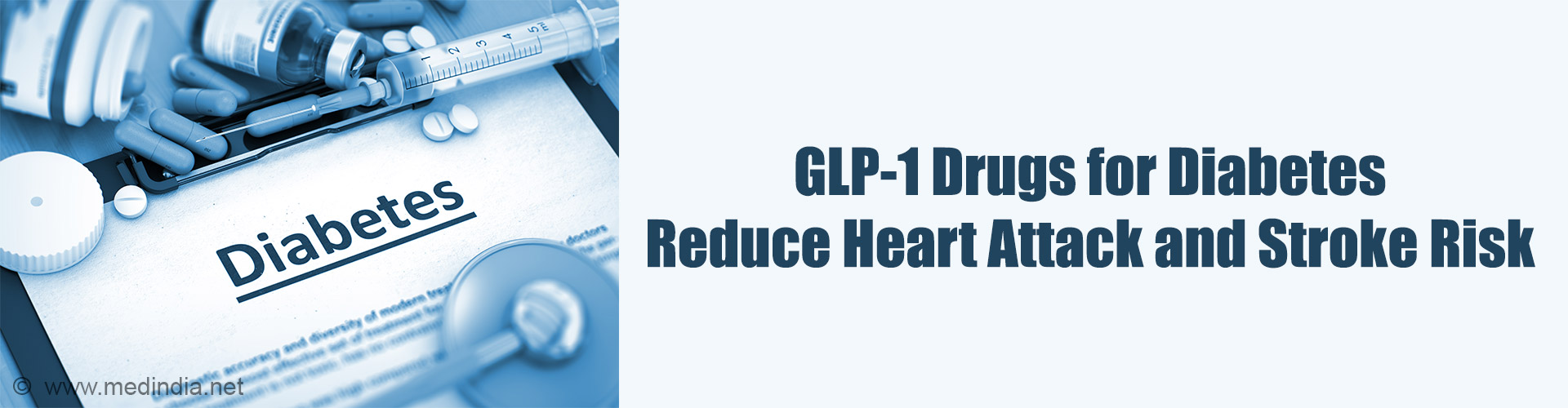
Real-world analysis reveals that glucagon-like peptide-1 receptor agonists provide cardiovascular benefits for adults with type 2 diabetes.
Highlights:
Type 2 diabetes is often seen as a condition focused mainly on blood sugar, but its impact goes much deeper (1✔ ✔Trusted Source- Glucagon-like peptide-1 receptor agonists reduce major cardiovascular events in type 2 diabetes
- Real-world outcomes closely match results from large-scale clinical trials
- Both semaglutide and tirzepatide show strong heart protection benefits
Cardiovascular outcomes of semaglutide and tirzepatide for patients with type 2 diabetes in clinical practice
Go to source). Over time, high blood sugar can damage blood vessels and strain the heart, which is why people with type 2 diabetes face a much higher chance of heart attacks and strokes.
This close connection between diabetes and cardiovascular disease has made heart protection a major part of diabetes care.
As newer medications such as semaglutide and tirzepatide become more common, researchers are asking an important question: do these drugs help protect the heart in everyday medical practice, not just in controlled clinical trials?

Common Diabetes Medication Reduces Heart Failure Risk in Cancer Patients
SGLT2 inhibitors, a diabetes medication, may protect the heart and reduce hospitalizations for cancer patients, particularly those treated with chemotherapy.
SGLT2 inhibitors, a diabetes medication, may protect the heart and reduce hospitalizations for cancer patients, particularly those treated with chemotherapy.
TOP INSIGHT

Did You Know?
People with type 2 diabetes using #glucagon-like peptide-1 receptor agonists had up to a 20 percent lower risk of #heartattack or #stroke. #hearthealth #type2diabetes #medindia
Why Heart Health Matters for Adults Living With Diabetes
For many adults with type 2 diabetes, managing the condition involves much more than lowering blood sugar. Many are also dealing with high blood pressure, obesity, kidney concerns, or existing heart problems.Clinical trials, while carefully designed, often do not fully reflect this complex mix of health issues found in real-life healthcare settings.
That's why researchers are increasingly turning to real-world data to understand how diabetes medications perform among older adults, people with multiple conditions, and those taking several medications at once.

New Anti-Diabetic Drug Sotagliflozin Reduces Heart Disease and Stroke Risks
Sotagliflozin, a drug for diabetes and kidney disease, offers significant protection against heart attacks and strokes by targeting both SGLT1 and SGLT2 proteins.
Sotagliflozin, a drug for diabetes and kidney disease, offers significant protection against heart attacks and strokes by targeting both SGLT1 and SGLT2 proteins.
Using National Health Records to Study Real-World Outcomes
To learn how GLP-1 medications affect heart health in daily medical practice, investigators analyzed de-identified medical records from millions of Americans. These records came from Medicare, Optum Clinformatics, and Merative MarketScan, covering the years 2018 through early 2025.The study included adults with type 2 diabetes and obesity, with groups organized by their level of heart-related risk, such as whether they had a history of heart disease, heart failure, or chronic kidney disease.
The research team compared three sets of medications: tirzepatide with dulaglutide, semaglutide with sitagliptin, and tirzepatide directly with semaglutide. The main question was whether these drugs helped reduce major adverse cardiovascular events, which include heart attack, stroke, or death, during a one-year period.

SGLT-2 Inhibitors: Newer Type 2 Diabetes Drugs Prevent Heart Failure
A newer type of diabetes drugs SGLT-2 (Sodium-glucose cotransporter 2) inhibitors were found to reduce the risk of hospitalization and death from heart failure.
A newer type of diabetes drugs SGLT-2 (Sodium-glucose cotransporter 2) inhibitors were found to reduce the risk of hospitalization and death from heart failure.
How the Researchers Evaluated Heart Outcomes
Because patients differ widely in age, medical history, and overall health, the researchers used methods that allowed them to compare similar types of patients across medication groups. They then examined how often heart attacks or strokes occurred over 52 weeks.To strengthen the reliability of their findings, the team also compared these real-world results to well-known clinical trials, including SUSTAIN-6 and SURPASS-CVOT, which previously tested the cardiovascular effects of semaglutide and tirzepatide under controlled conditions.

Diabetes Drug to Lessen the Risk of Heart Disease in Non-diabetics
Metformin, the commonly used diabetes drug, could reverse the pathological thickening of the heart muscle which leads to cardiovascular disease.
Metformin, the commonly used diabetes drug, could reverse the pathological thickening of the heart muscle which leads to cardiovascular disease.
Real-World Findings Supported Clinical Trial Results
The study showed that results seen in clinics and everyday practice matched closely with those observed in clinical trials. For example, the real-world comparison of tirzepatide and dulaglutide produced heart-health results almost identical to the SURPASS-CVOT trial.The same was true when comparing semaglutide with sitagliptin, echoing findings from the SUSTAIN-6 trial. This high level of agreement suggests that the heart benefits seen in trials genuinely carry over into routine patient care.
How These Medications Performed in Daily Practice
In real-world populations, semaglutide showed lower rates of heart attack or stroke compared with sitagliptin over the course of a year. Tirzepatide also showed fewer major heart events than dulaglutide, and when tirzepatide was compared directly with semaglutide, both performed similarly in protecting the heart.Researchers also found that both GLP-1 medications were linked to fewer hospital visits related to heart failure. These patterns held true across adults of different ages, men and women, people with varying levels of cardiovascular risk, and even among those taking other heart-protecting medications like SGLT2 inhibitors.
While claims-based data cannot capture lifestyle factors such as diet, smoking, or exercise, the overall results strongly suggest that these medications offer real cardiovascular benefits beyond their effects on blood sugar and weight.
What These Findings Mean for People With Type 2 Diabetes
Taken together, the study provides reassuring evidence that medications like semaglutide and tirzepatide not only help manage diabetes but also help protect the heart. Their performance in real-world settings closely mirrors what earlier clinical trials promised.For people living with type 2 diabetes, this means these medications may offer an important layer of protection against heart attack and stroke. For healthcare systems, the findings support wider use of GLP-1 therapies as part of everyday diabetes care.
This research confirms that GLP-1 receptor agonists, including semaglutide and tirzepatide, consistently provide cardiovascular benefits in both clinical trials and routine medical practice. They not only improve glucose control and support weight management but also reduce the risk of serious heart events. As diabetes continues to affect millions, these medications represent powerful tools for improving long-term health and protecting the heart.
Reference:
- Cardiovascular outcomes of semaglutide and tirzepatide for patients with type 2 diabetes in clinical practice - (https://www.nature.com/articles/s41591-025-04102-x)
Source-Medindia
 Email
Email