MEDINDIA
 English
 हिन्दी
 Español
 français
 中文
中文
Patients carrying a cystic fibrosis gene mutation may have a decline in heart function and could benefit from more aggressive and earlier cardiac interventions.

TOP INSIGHT

DMD patients with missense mutation in CFTR gene have lower left ventricular ejection fraction, larger end-diastolic volume, and higher levels of N-terminal pro-B-type natriuretic peptide.
Read More..
How cardiomyopathy manifests varies among patients considerably, explains Pradeep Mammen, M.D., associate professor in the department of internal medicine's division of cardiology at UTSW, who runs a cardiology clinic specifically for patients with DMD and other neuromuscular disorders.
Mammen and his colleagues suspected that the variability might result from an additional genetic variation, which may synergistically worsen heart function in DMD patients, accelerating the underlying cardiomyopathy.
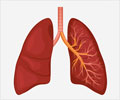
Cystic Fibrosis - Symptoms, Causes, Diagnosis, Treatment, Support Groups
Cystic fibrosis is a genetic disease involving the mucus and sweat glands and the medical world has still to find its cure
Cystic fibrosis is a genetic disease involving the mucus and sweat glands and the medical world has still to find its cure
A single unit of the cystic fibrosis transmembrane regular (CFTR) gene known as a "missense" mutation, stood out due to its role in heart cells, which is responsible for creating channels in heart cells that let bicarbonate in and regulate cell electrolyte levels.
Mammen says doctors who treat these patients might eventually test for this mutation to identify DMD patients who need more aggressive cardiac care at a younger age.
"Finding ways to help preserve heart function over time could offer new hope for patients with DMD."
Source-Medindia
 Email
Email