MEDINDIA
 English
 हिन्दी
 Español
 français
 中文
中文
Signals from a protein BMP4 can help increase metabolic process that enhances weight loss and reduce the risk of obesity-related diseases.

Obesity - Causes, Symptoms, Diagnosis, Complications, Treatment
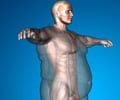
Obesity is a condition where there is excess accumulation of body fat which poses a risk to the health of the individual. It can affect children and adults.
Obesity is a condition where there is excess accumulation of body fat which poses a risk to the health of the individual. It can affect children and adults.
TOP INSIGHT

Gene therapy with BMP4 gave no protection from further weight gain, but they were protected from insulin resistance with increased energy intake.
In one of the studies, cells from human fat biopsies were used and the other two studies used adult mice that were given BMP4 gene therapy. In the current study, the mice were given a high-fat, more energy-rich diet, at the same time that they were injected with a harmless virus that carried BMP4, which targets the liver and spreads from there.
"In mice that were initially lean, we see that the white fat becomes more beige and metabolically active, while the brown fat becomes "whiter". So there’s a negative effect on the brown fat and a positive effect on the white fat, but the positive outweighs the negative and the mice have improved metabolic health. They are protected from weight gain and do not get insulin resistance, a marker for risk of Type-2 diabetes," says Jenny Hoffmann.

Anti-Quick Fix Weight Loss
Trying to lose weight? Weight loss is not a race or a competition against time but a lifestyle modification. Try out some simple tips for losing weight in smart way.
Trying to lose weight? Weight loss is not a race or a competition against time but a lifestyle modification. Try out some simple tips for losing weight in smart way.
The overweight animals, which proved to have higher levels of their own BMP4 protein, also had high levels of so-called antagonists, which prevented the BMP4 signaling in the fat. In other words, they were resistant to the effects of BMP4 in terms of the positive effects on beige fat cells.

Mantra to Prevent Childhood Obesity � Vigorous Physical Activity
Being physically very active is the mantra to prevent pediatric obesity rather than concentrating efforts at restricting energy consumption.
Being physically very active is the mantra to prevent pediatric obesity rather than concentrating efforts at restricting energy consumption.
According to Jenny Hoffmann, identifying the effect of the BMP4 protein can be an important target in the struggle against Type-2 diabetes, cardiovascular disease and other illnesses linked to obesity.

Malnutrition to Obesity - The Big Leap
Obesity is the root cause of problems like diabetes, heart disease, stroke, arthritis and gall bladder disease. A serious look at our strategies is needed to tackle this fast growing epidemic.
Obesity is the root cause of problems like diabetes, heart disease, stroke, arthritis and gall bladder disease. A serious look at our strategies is needed to tackle this fast growing epidemic.
Source-Eurekalert
 Email
Email