MEDINDIA
 English
 हिन्दी
 Español
 français
 中文
中文
Study limited by retrospective design; larger trials are needed to confirm VR’s benefits in coronary angiography care.
TRANSFORMING CARDIOVASCULAR CARE
Go to source).
VR in Cardiology
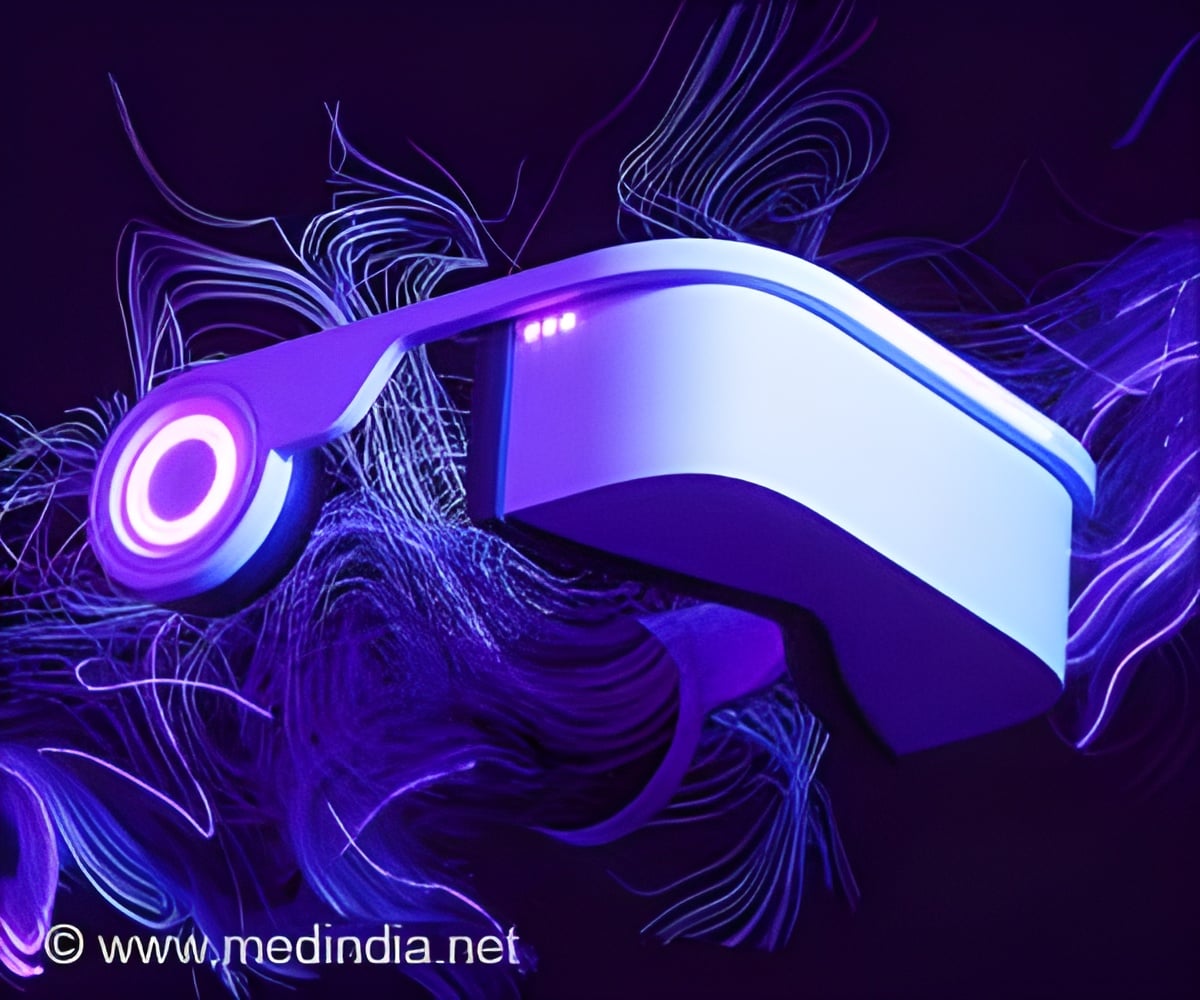
However, a new analysis presented at the American College of Cardiology (ACC) Middle East 2025, together with the 16th Emirates Cardiac Society Conference, found that virtual reality (VR) can effectively reduce anxiety and stabilize vital signs during the procedure, offering a promising alternative to traditional approaches.
PLAC Test for Cardiovascular Disease
Ensure your heart health by getting a PLAC test. Prevent heart attack and stroke by detecting your risk of developing cardiovascular disease.
Ensure your heart health by getting a PLAC test. Prevent heart attack and stroke by detecting your risk of developing cardiovascular disease.
TOP INSIGHT

Ever imagine calming pre-surgery jitters with a headset? #VirtualReality (VR) is stepping up to tackle the intense #anxiety experienced by patients undergoing #heartprocedures. #VRinHealthcare #Cardiology #AnxietyRelief
VR's Effectiveness During Coronary Angiography to Stabilize Vitals
Researchers conducted a meta-analysis of five randomized controlled trials involving 451 patients, comparing VR to standard care. The VR interventions featured immersive 3D environments such as waterfalls, mountains, and valleys, designed to promote relaxation. The study found that VR during coronary angiography significantly reduced anxiety and minimized fluctuations in heart rate and blood pressure compared with standard care. In contrast, VR used only before the procedure reduced anxiety but did not significantly stabilize vital signs.“Immersing patients in a 3D simulation offers better relaxation than simply watching a similar video on a screen,” Alnomani explained.

Anxiety Screening Test
Are you anxious to know your anxiety level? Use Medindia’s Anxiety Screening Test, a simple online screening test for anxiety symptoms.
Are you anxious to know your anxiety level? Use Medindia’s Anxiety Screening Test, a simple online screening test for anxiety symptoms.
This research underscores the potential of virtual reality to enhance patient experience, reduce procedural anxiety, and improve overall cardiovascular care.
Heart Rate and Heart Rhythm
Normal heart rate and rhythm can be measured by checking pulse on the wrist and evaluated with an electrocardiogram. Myths about heart rate can lead to anxiety.
Normal heart rate and rhythm can be measured by checking pulse on the wrist and evaluated with an electrocardiogram. Myths about heart rate can lead to anxiety.
- TRANSFORMING CARDIOVASCULAR CARE - (https://www.acc.org/Education-and-Meetings/Meetings/Meeting-Items/2024/07/03/2025-Middle-East)
Source-Medindia

Virtual Reality - The New AI Buddy For Autistic People
AI-guided virtual reality simulations of real-life incidents can assist individuals with autism in overcoming social and behavioral communication barriers.
AI-guided virtual reality simulations of real-life incidents can assist individuals with autism in overcoming social and behavioral communication barriers.
 Email
Email