MEDINDIA
 English
 हिन्दी
 Español
 français
 中文
中文
The blood–brain barrier is a diffusion barrier, which impedes influx of most compounds from blood to brain.
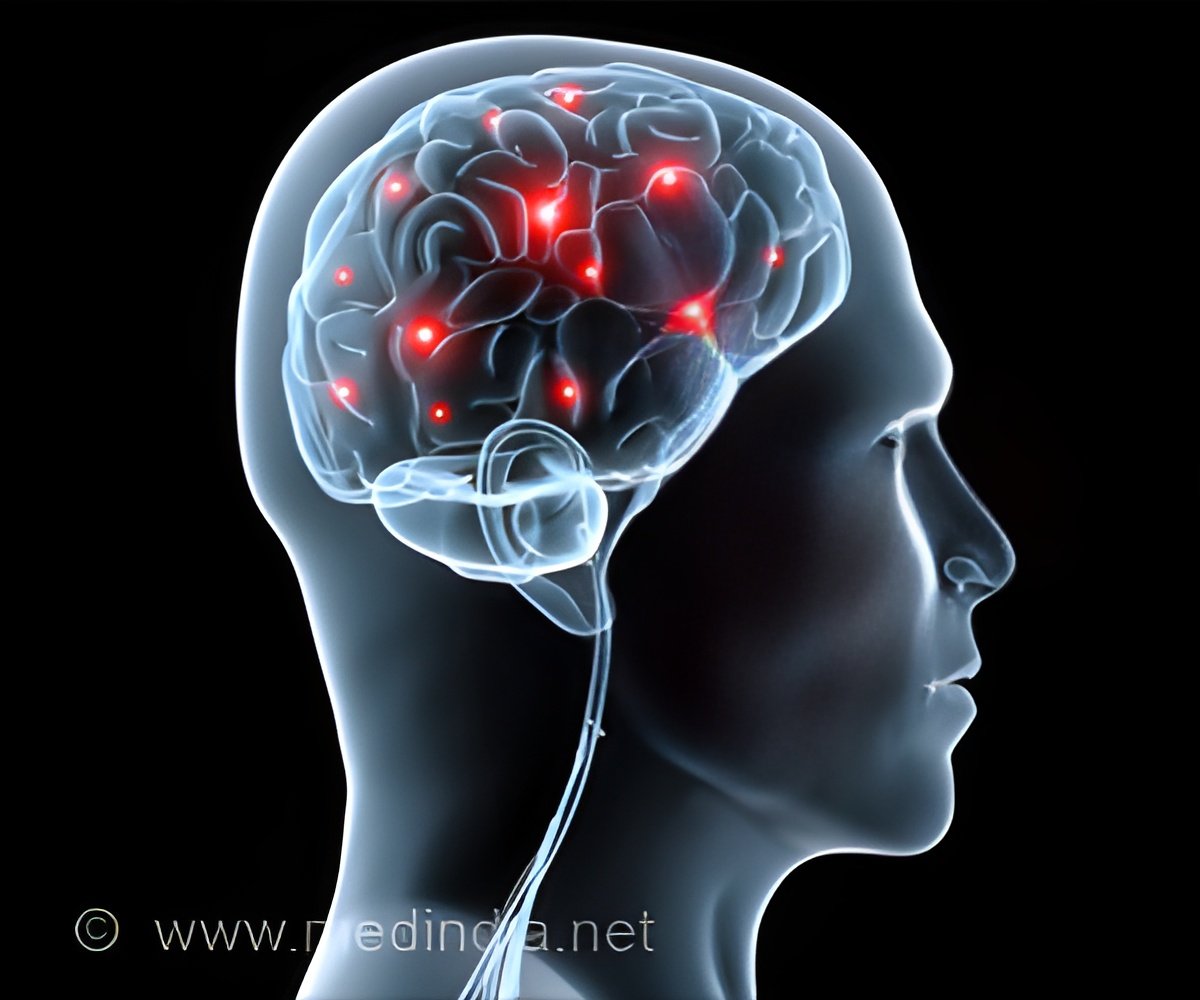

Storytelling Boosts Child's Brain
While reading to children has many benefits, simply speaking the words aloud may not be enough to improve cognitive development in preschoolers.
While reading to children has many benefits, simply speaking the words aloud may not be enough to improve cognitive development in preschoolers.
TOP INSIGHT

The structure and function of the blood brain barrier is dependent upon the complex interplay between the different cell types and the extracellular matrix of the brain and blood flow in the capillaries.
"Our model takes a new approach to mimic the blood-brain barrier outside of a living system. These miniature spheroids are relatively straightforward to culture, and yet it is able to reproduce many of the key blood-brain barrier properties and functions," said lead author Choi-Fong Cho, PhD, of the Department of Neurosurgery. "Our hope is that these findings will further advance neuroscience research and expedite the discovery and design of brain-penetrant drugs to treat diseases of the brain and central nervous system."
Current models of the blood-brain barrier rely largely on either animal models which are expensive, laborious and can only be used to test a limited number of compounds at a time or cells grown in the lab. For the latter, it's very difficult to replicate the conditions found in the human body. Cells are often grown on flat plastic surfaces, isolated by cell type, and may become less and less like the unique cells found in the brain over time.
Multiple Sclerosis Linked to Brain Changes
Multiple sclerosis (MS),an impaired ability to understand how others feel and think, may be linked to subtle brain changes
Multiple sclerosis (MS),an impaired ability to understand how others feel and think, may be linked to subtle brain changes
The research team performed several tests on these spheroids to establish some of the key properties of the blood-brain barrier that allow it to restrict the influx of foreign molecules. The spheroid model scored much better on many of these properties than the standard model in use today. The team also used the spheroids to identify new brain-penetrant molecules, which could hold high potential for delivering therapeutics across the blood-brain barrier.
When can Brain Cancer be detected?
No one knows what causes brain tumors; there are only a few known risk factors that have been established by research.
No one knows what causes brain tumors; there are only a few known risk factors that have been established by research.
Source-Eurekalert
Genes Linked to Memory Identified, Opens New Avenues to Brain Research
Scientists identify more than 100 genes linked to memory. This could open new avenues to brain research.
Scientists identify more than 100 genes linked to memory. This could open new avenues to brain research.
 Email
Email