MEDINDIA
 English
 हिन्दी
 Español
 français
 中文
中文
Brazilian publication has unraveled the effects of Zika on astrocytes, one of the most damaged cells during the virus infection.
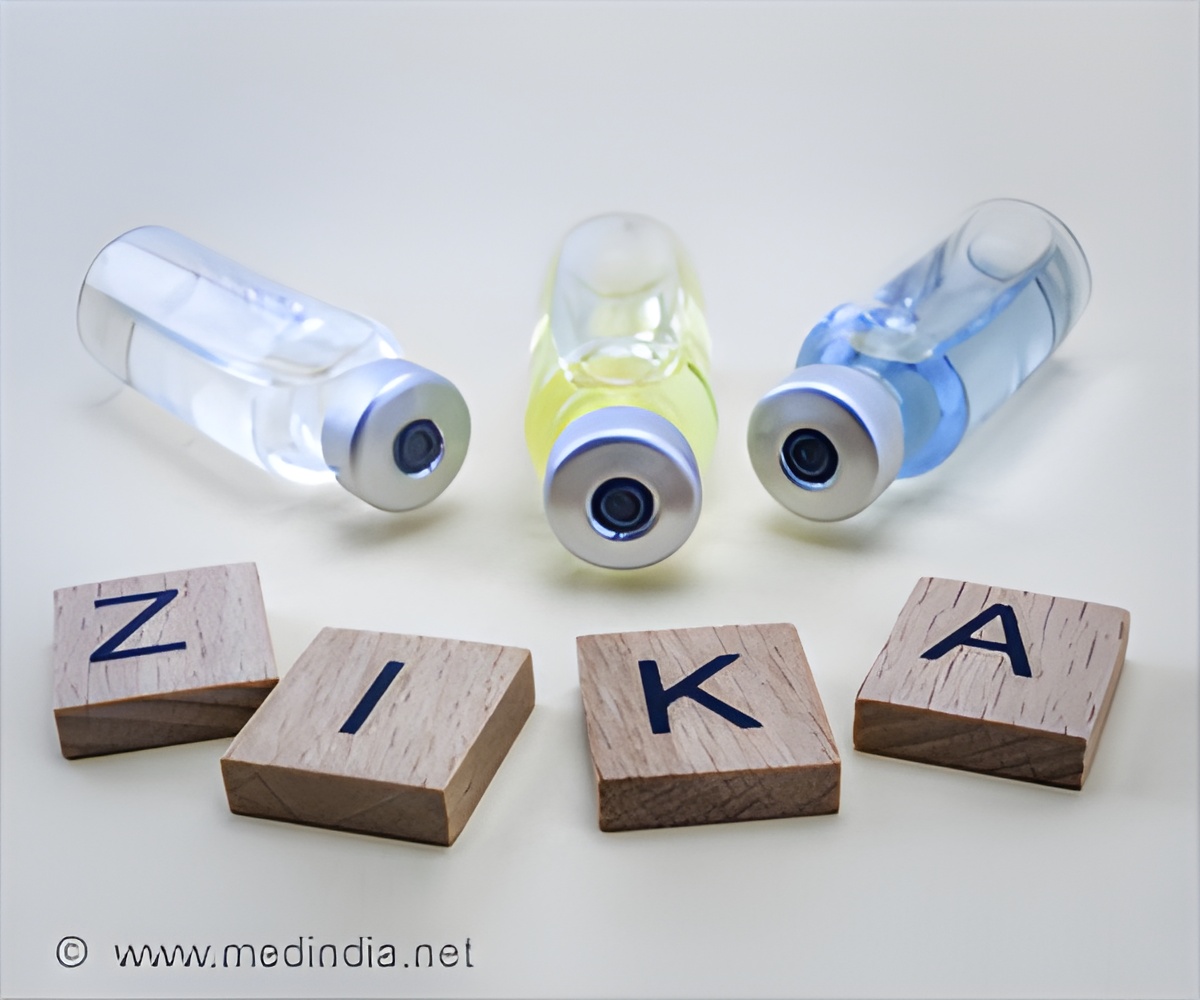
Zika Fever - Causes, Symptoms, Diagnosis, Treatment and Prevention
Zika virus is transmitted to humans by infected mosquitoes which causes mild fever with maculopapular rash. No treatment or vaccine is currently available.
Zika virus is transmitted to humans by infected mosquitoes which causes mild fever with maculopapular rash. No treatment or vaccine is currently available.
TOP INSIGHT

Due to the crucial role of astrocytes in the upgrowth and functioning of the brain, their imbalance during neural development should contribute to serious health implications throughout life.
The corresponding author of the article was the neuroscientist Stevens Rehen, a researcher at UFRJ and IDOR involved in several other studies related to Zika, including the first publication to analyze the effects of the virus on laboratory-developed human mini-brains. In the most recent article, Rehen and his team uncovered the changes that this viral infection causes in developing neural cells, as well as their consequences for brain development. "The scientific literature had already identified Zika's attack on astrocytes, but until now, no study had focused on understanding how it affects its functioning," says Karina Karmirian, a member of Rehen's group and one of the first authors of the study. Among the damages that the virus causes to these cells are the overload of its mitochondria, DNA breakage, and oxidative stress, the latter being a common disturbance to premature aging, cancer, and neurodegenerative diseases.
Multiple Analyzes
Test Your Knowledge on Zika Virus
Zika virus is a mosquito-borne virus that causes fever, headache, skin rashes, joint and muscle pain in infected individuals. The symptoms usually last for only 2 to 7 days. Fetal symptoms vary and have led to International concern.
Zika virus is a mosquito-borne virus that causes fever, headache, skin rashes, joint and muscle pain in infected individuals. The symptoms usually last for only 2 to 7 days. Fetal symptoms vary and have led to International concern.
Helena Borges, a professor at UFRJ and one of the researchers in the study, detailed why the damage caused by the Zika virus can be permanent in astrocytes. "To repair double-strand DNA breaks, there are two main types of DNA repair: one that uses an entire copy of DNA as a template - the homologous recombination - and a faster repair mechanism yet potentially subject to mutation, which dispenses the presence of an integrated DNA copy: the non-homologous recombination. Proliferating cells, like neural stem cells, can use both repair mechanisms. However, differentiated cells such as astrocytes have a reduced chance of homologous recombination, increasing the chance of permanent mutations appearing in these cells", explains the expert.

Zika Virus and Brain Damage to Newborns
Researchers have learned that the strain of virus circulating in the northeastern Brazilian state of Paraíba in 2015 was particularly damaging to the developing brain; the new findings help explain why microcephaly cases less common in other Zika outbreaks.
Researchers have learned that the strain of virus circulating in the northeastern Brazilian state of Paraíba in 2015 was particularly damaging to the developing brain; the new findings help explain why microcephaly cases less common in other Zika outbreaks.
This regards not only brain malformations such as microcephaly, but possibly other neurological disorders that could manifest in the adulthood of those infected in the womb, regardless of apparent malformations. The researchers say that due to the fledgling of long-term studies regarding Zika, further investigations will still be needed to determine the consequences of its infection on both children and adults, as possible neurological problems may occur subsequent to the extended action of the virus on young astrocytes.

New Zika Vaccine Induces Effective Zika and Dengue Antibodies
Army-developed Zika vaccine induces potent Zika and dengue cross-neutralizing antibodies, according to a study done by the team of researchers from the Walter Reed Army Institute of Research.
Army-developed Zika vaccine induces potent Zika and dengue cross-neutralizing antibodies, according to a study done by the team of researchers from the Walter Reed Army Institute of Research.
 Email
Email