MEDINDIA
 English
 हिन्दी
 Español
 français
 中文
中文
Slimy strategy used by bacteria to defeat antibiotics and other drugs used to combat infections afflicting people with cystic fibrosis have been discovered.
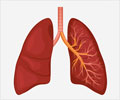
Cystic Fibrosis - Symptoms, Causes, Diagnosis, Treatment, Support Groups
Cystic fibrosis is a genetic disease involving the mucus and sweat glands and the medical world has still to find its cure
Cystic fibrosis is a genetic disease involving the mucus and sweat glands and the medical world has still to find its cure
TOP INSIGHT

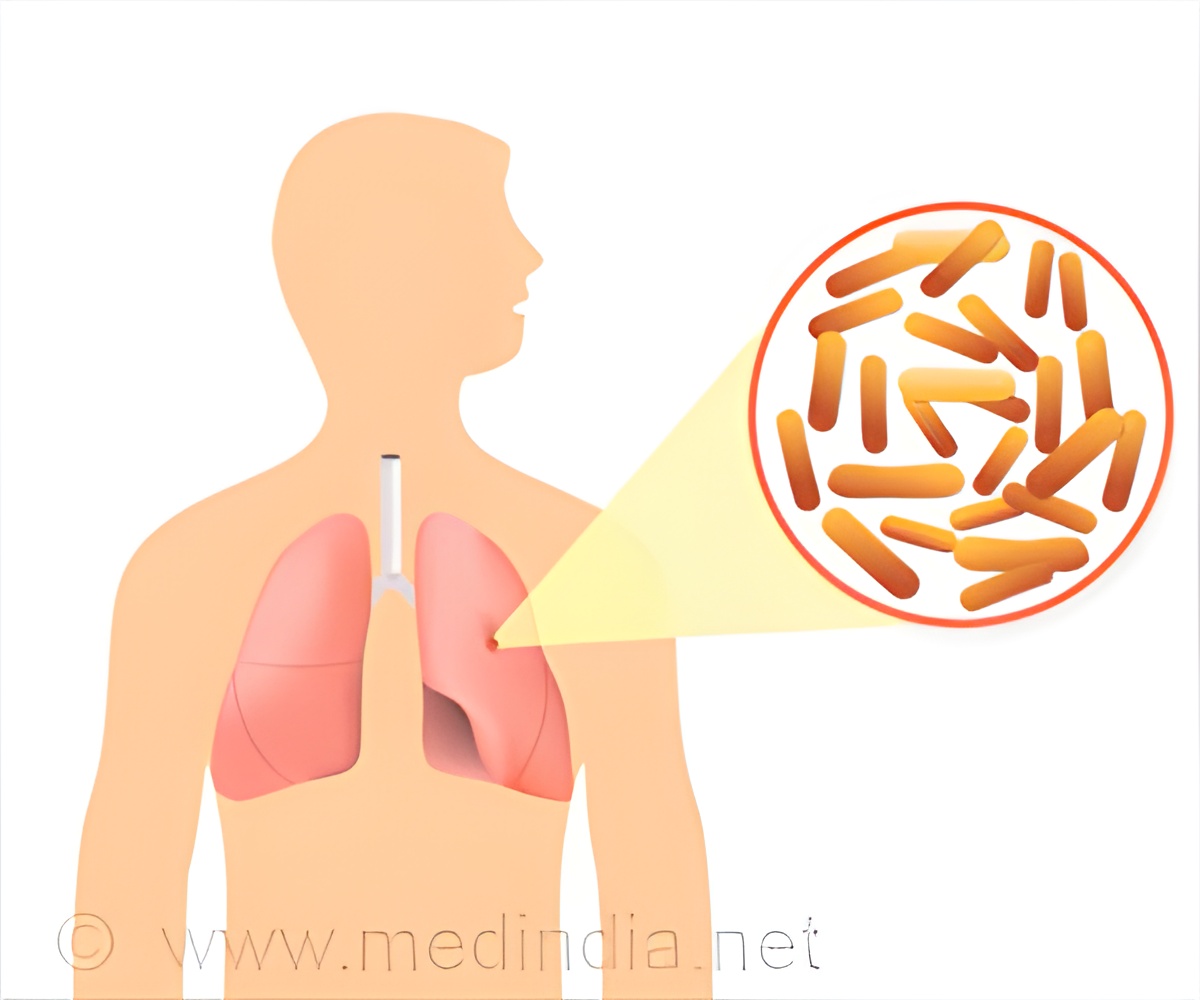
Carbohydrates slimes used by bacteria to aggregate themselves and defeat antibiotics and other drugs used to combat infections afflicting people with cystic fibrosis have been discovered. Thus an understanding of the mechanisms that promote bacterial aggregation may facilitate new therapeutic approaches and provide better care for the disease.
Slimy Strategy in Cystic Fibrosis
"We found the first direct evidence that these carbohydrates are produced at the sites of infection. We showed that one of the carbohydrates, called Pel, sticks to extracellular DNA, which is abundant in the thick mucus secretions prominent in cystic fibrosis lungs. This interaction makes a slimy protective layer around the bacteria, making them harder to kill. As such, it reduces the pathogen's susceptibility to antibiotics and drugs aimed at reducing the thickness of airway mucus by digesting DNA", says Dr. Laura Jennings, a research assistant professor in UM's Division of Biological Sciences and an affiliate with the University's Center for Translational Medicine.

Cystic Fibrosis: New Treatment can Kill Mycobacterium Abscessus Infection
New treatment developed can completely kill a bacterial infection that can be deadly to cystic fibrosis patients, reports a new study.
New treatment developed can completely kill a bacterial infection that can be deadly to cystic fibrosis patients, reports a new study.
And, the carbohydrate Pel is found to diminish the efficacy of the most commonly used therapeutics for cystic fibrosis, which are inhaled antibiotics and a drug that breaks down the thickness of the airway mucus, making it easier to cough up.

Quiz on Cystic Fibrosis
How much do you know about the chronic, progressive, inherited, fatal disease called cystic fibrosis? Learn more about cystic fibrosis from this quiz.
How much do you know about the chronic, progressive, inherited, fatal disease called cystic fibrosis? Learn more about cystic fibrosis from this quiz.
Source-Medindia
Respiratory Diseases - Diseases of the Human Respiratory System
Respiratory diseases affect any part of the respiratory system. Some of the lung diseases like chronic obstructive pulmonary disease can lead to respiratory failure.
Respiratory diseases affect any part of the respiratory system. Some of the lung diseases like chronic obstructive pulmonary disease can lead to respiratory failure.
 Email
Email