MEDINDIA
 English
 हिन्दी
 Español
 français
 中文
中文
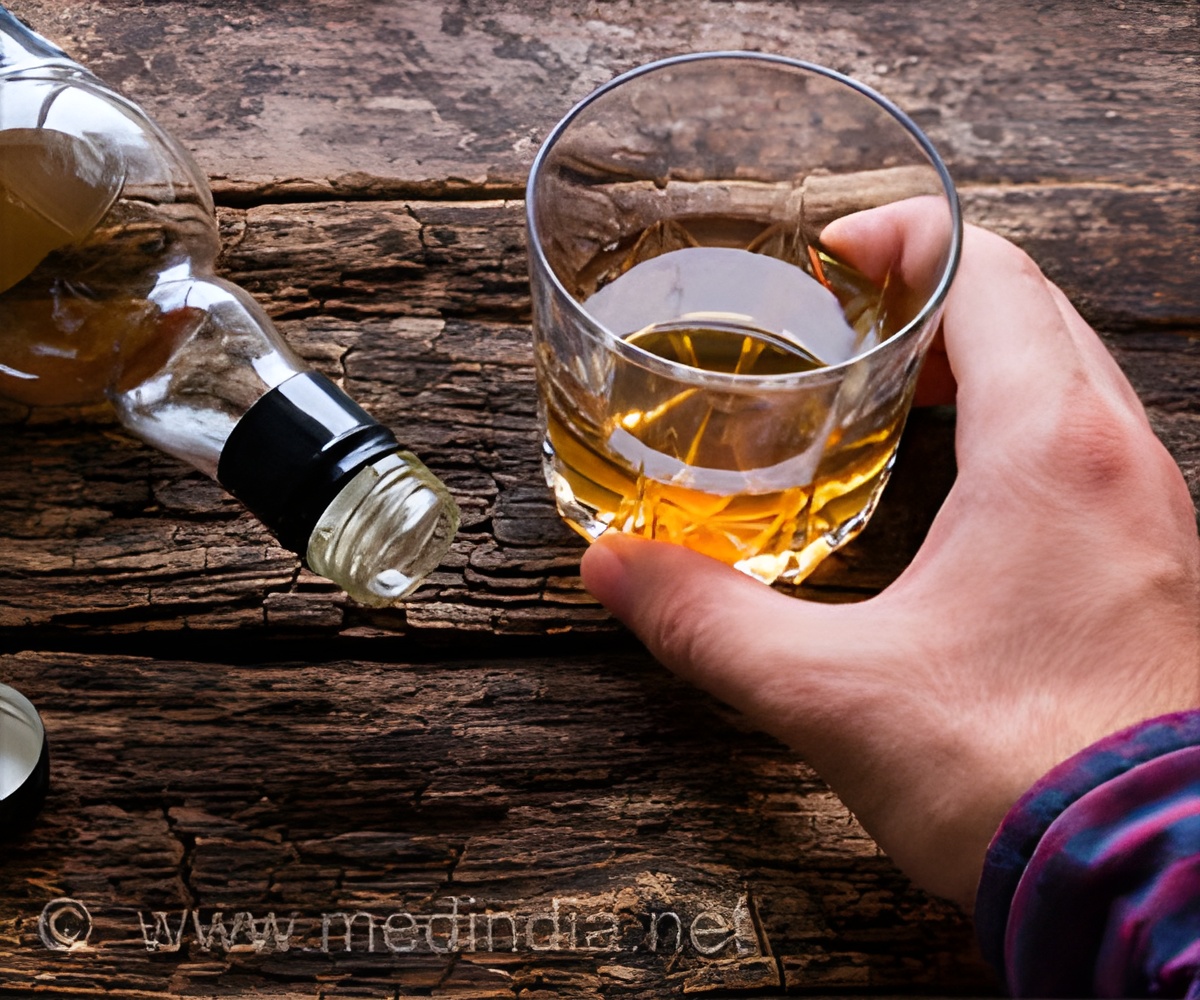
Excessive drinking by workers can place a burden on colleagues, whether through absenteeism, decreased productivity, or alcohol-related accidents in the workplace.

Alcohol Abuse - Alcohol Addiction - Treatment � Rehab among Woman
Social drinking amongst women has become a fad. Stop it before it finishes you.
Social drinking amongst women has become a fad. Stop it before it finishes you.
TOP INSIGHT

Workers in high income-countries were less likely to report harm from co-workers’ drinking than those in low and middle-income countries.
Overall, 7% of workers reported experiencing at least one type of harm from others’ drinking in the past year ─ from 1% of workers in New Zealand to 16% in Thailand, with most countries in the 6-13% range.
Fewer workers (<1% to 12%) reported being in an accident or close call resulting from others’ drinking. In most countries, male workers had at least twice the odds of harm from co-workers’ drinking as female workers; of note, however, the survey did not address sexual harassment due to co-workers’ drinking. In general, workers in high income-countries were less likely to report harm from co-workers’ drinking than those in low and middle-income countries.

Alcohol and Driving-Blood Alcohol Level-Indian Law-Walk Test and Breathalyzer
Alcohol and driving do not mix. Drunken driving is the cause of many deaths in the world.
Alcohol and driving do not mix. Drunken driving is the cause of many deaths in the world.
This may be of especial concern for South-East Asian countries such as India, Thailand, and Vietnam that are viewed as key emerging markets by the alcohol industry. More stringent alcohol-related regulations and strategies to address heavy drinking cultures in the workplace, and greater support and treatment for workers who drink heavily, could make workplaces safer for drinkers and their colleagues.

Alcohol Effects After Bariatric Surgery
Gastric sleeve and gastric bypass surgery potentiate the intoxicating effects of alcohol due to its faster rate of absorption into the blood and slower metabolism.
Gastric sleeve and gastric bypass surgery potentiate the intoxicating effects of alcohol due to its faster rate of absorption into the blood and slower metabolism.

Alcohol Use Disorder | Alcoholism
Alcohol use disorder or alcoholism is an inability to control drinking. It can cause short term and long term physical, as well as psychological effects on the patient.
Alcohol use disorder or alcoholism is an inability to control drinking. It can cause short term and long term physical, as well as psychological effects on the patient.
 Email
Email