MEDINDIA
 English
 हिन्दी
 Español
 français
 中文
中文
Treatment for tuberculosis involves antibiotics taken for several months to eliminate TB-causing bacteria from the body.

The Parkinson's drug benztropine possesses histamine receptor 1-dependent host-directed antimicrobial activity against Mycobacterium tuberculosis
Go to source). The study, published in npj Antimicrobials & Resistance, discovered that benztropine — a drug introduced in the 1950s to help control tremors in Parkinson’s patients — can significantly lower levels of TB-causing bacteria. It works by enhancing the body’s own immune defenses, offering a potential new strategy in the global fight against TB.

Diet in Tuberculosis
Patients with tuberculosis should eat a healthy diet so that they build up their immunity to fight against tuberculosis.
Patients with tuberculosis should eat a healthy diet so that they build up their immunity to fight against tuberculosis.
TOP INSIGHT

A 70-year-old Parkinson's drug, #benztropine, is showing new promise against #tuberculosis! #Benztropine reduced #TB bacterial counts in immune cells. #DrugDiscovery #Parkinsons #MedicalResearch
Tuberculosis - New Insights
TB is the world’s deadliest infectious disease, typically affecting the lungs and causing an estimated 1.3 million deaths each year. Treatment requires a months-long regimen of multiple antibiotics, which can have serious side effects and is increasingly challenged by the emergence of drug-resistant bacterial strains.“New approaches for treating tuberculosis are urgently needed,” said senior author Dr. Yossef Av-Gay, a professor of infectious diseases at the UBC faculty of medicine. “By enhancing immune function rather than targeting the bacteria, this could be a powerful tool against drug-resistant TB. And, it’s a compound that has already proven safe in people with Parkinson’s.”
Tuberculosis is particularly difficult to treat because the bacteria responsible, Mycobacterium tuberculosis, is able to infect and survive within the very immune cells designed to destroy pathogens, known as macrophages.
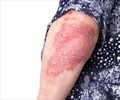
Skin Tuberculosis
Skin tuberculosis is a rare form of tuberculosis that occurs outside the lung. Infection is exogenous through contact or internally from another infectious site.
Skin tuberculosis is a rare form of tuberculosis that occurs outside the lung. Infection is exogenous through contact or internally from another infectious site.
The researchers say treatments that enhance the body’s natural defenses, known as host-directed therapies, could offer significant benefits in the fight against TB.

Quiz on Tuberculosis
Tuberculosis is a major health care concern, especially in Africa and South East Asia. Brush up your information on tuberculosis by taking this quiz. ...
Tuberculosis is a major health care concern, especially in Africa and South East Asia. Brush up your information on tuberculosis by taking this quiz. ...
To identify benztropine, the research team screened a library of more than 240 U.S. Food and Drug Administration-approved drugs by testing each compound on immune cells infected with TB.

Interesting Facts and Statistics about Tuberculosis
Tuberculosis began to decline with the invention of the tuberculosis vaccine. Statistics show that the problem resurfaced with the HIV epidemic and the current crisis of drug resistant tuberculosis.
Tuberculosis began to decline with the invention of the tuberculosis vaccine. Statistics show that the problem resurfaced with the HIV epidemic and the current crisis of drug resistant tuberculosis.
Benztropine Cuts TB Bacteria by 70% in Preclinical Tests
Benztropine emerged as a standout candidate, capable of significantly reducing TB bacterial counts in experiments with both human and mouse immune cells. The researchers then tested benztropine in mice infected with TB, with oral treatment leading to a 70 per cent reduction in bacterial load in the lungs—comparable to some current TB treatments.The drug showed similar effectiveness in a separate mouse model of Salmonella infection, suggesting its potential as a treatment for a wide range of pathogens.
Because benztropine is already approved for use in humans, the researchers say the findings could accelerate its path to clinical testing for TB and other infections.
“Repurposing existing drugs is one of the fastest and most cost-effective ways to bring new treatments to patients,” said Dr. Av-Gay. “With benztropine, we already understand the safety profile and pharmacology, which means we can move more quickly toward clinical trials.”
Reference:
- The Parkinson’s drug benztropine possesses histamine receptor 1-dependent host-directed antimicrobial activity against Mycobacterium tuberculosis - (https://www.nature.com/articles/s44259-025-00143-x)
Source-Eurekalert
 Email
Email