MEDINDIA
 English
 हिन्दी
 Español
 français
 中文
中文
Exercise-based cardiac rehabilitation should be added to atrial fibrillation management guidelines besides other therapies.
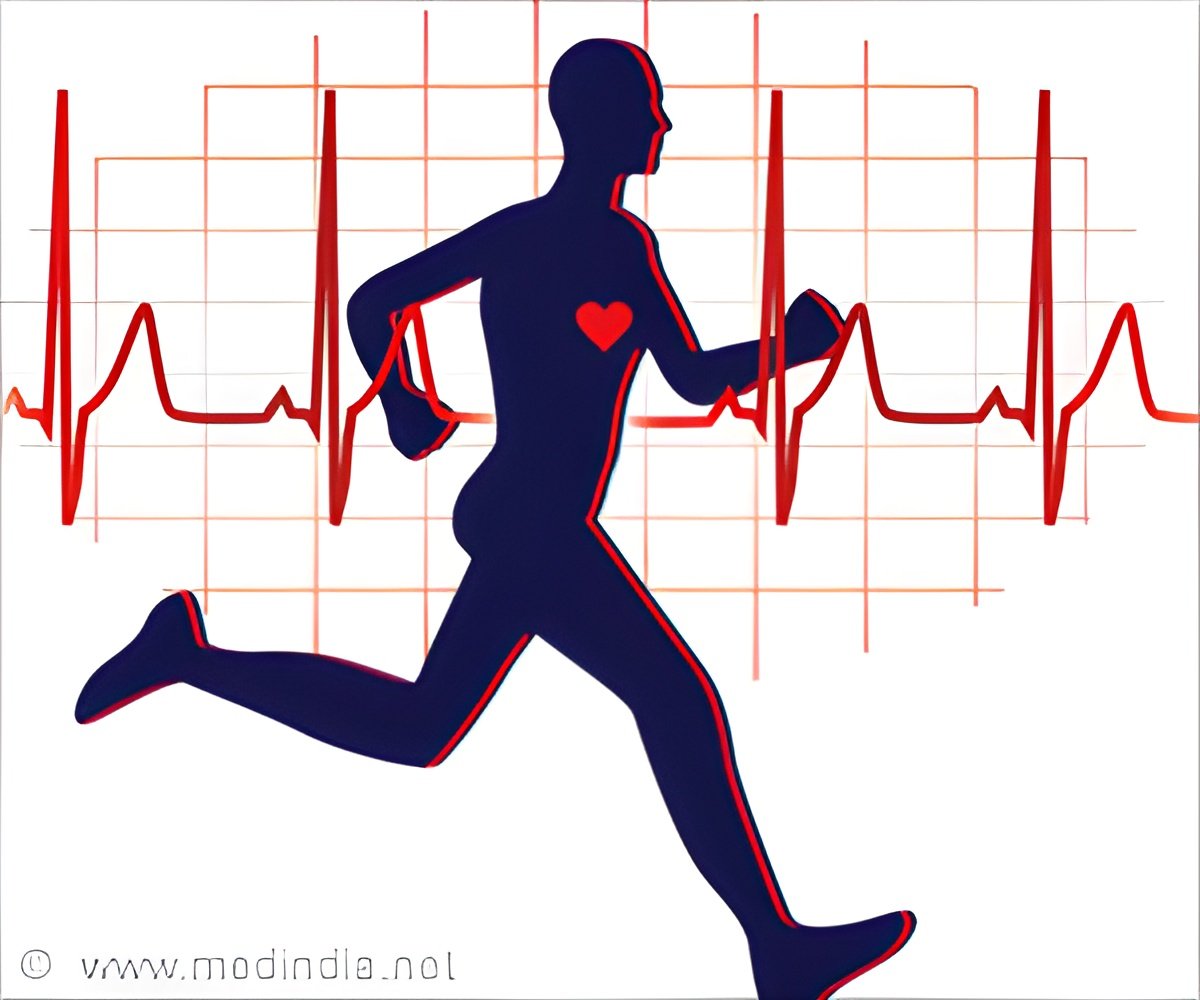
AF contributes to a higher risk of stroke and heart failure. Researchers project that around 6-12 million people (US) may develop AF by 2050 and around 18 million people (Europe) may develop AF by 2060. To facilitate this rising issue, patient self-regulation may help improve the disease condition and enhance the quality of life (1✔ ✔Trusted Source
Exercise based cardiac rehabilitation for atrial fibrillation: Cochrane systematic review, meta-analysis, meta-regression and trial sequential analysis
Go to source).
Atrial Fibrillation - Causes, Symptoms, Diagnosis, Treatment, Complication, Risks
Atrial fibrillation may not be life-threatening in itself but it is important to understand the causes, symptoms and treatments because of the risk of life-threatening complications.
Atrial fibrillation may not be life-threatening in itself but it is important to understand the causes, symptoms and treatments because of the risk of life-threatening complications.
TOP INSIGHT

Did You Know?
#Exercise is a cost-effective way to reshape the heart's upper chambers, which may prevent #quivering, though this needs further study. #cardiology #fitness #atrialfibrillation #heartrhythm #medindia
The Rising Problem Needs an Accessible Solution
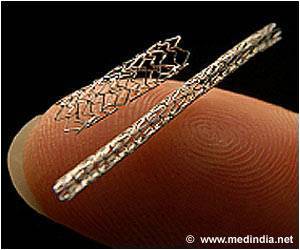
Exercise based cardiac rehabilitation includes exercise training alongside personalised lifestyle risk factor management, psychosocial intervention, medical risk management and health behaviour education.It’s used for patients who have had a heart attack, been diagnosed with heart failure, or who have had a stent fitted to improve blood flow to the heart, explain the researchers. But it’s not clear if this type of rehab is suitable for patients with AF, and it’s therefore not been included in international AF treatment guidelines.
Previous systematic reviews on the subject, published in 2017 and 2018, provided inconclusive evidence for its broader benefits. But since then, several other relevant clinical trials have been published, so the researchers set out to update the evidence.
They scoured research databases for randomised clinical trials on the effects of exercise based cardiac rehabilitation in patients with AF, published up to March 2024.
They found 20 relevant clinical trials carried out between 2006 and 2024 that involved 2039 patients, who were subsequently monitored for an average of 11 months. Ten trials were carried out in Europe, four in Asia, two in Australia, one each in Brazil, Canada, and Russia, and one in several countries.
Five trials assessed comprehensive exercise rehabilitation, which included educational and/or psychological components; the remainder assessed exercise only rehabilitation.

Regular Exercise Boosts Survival in Atrial Fibrillation Patients
Regular endurance training and good fitness can protect against serious cardiovascular events and early death for people diagnosed with atrial fibrillation, reports a new study.
Regular endurance training and good fitness can protect against serious cardiovascular events and early death for people diagnosed with atrial fibrillation, reports a new study.
The Data on Safety and Success
The exercise interventions ranged from 8 to 24 weeks, involving 1–7 weekly sessions of 15–90 minutes in length. Most trials included moderate intensity interventions, with only three looking at the impact of vigorous intensity. Most trials included only aerobic based exercise training, although 6 included both aerobic and resistance based cardiac rehab.The study showed that exercise-based cardiac rehabilitation was safe, with no increase in the risk of death or serious side effects.
However, it had a significant positive result on patient by:
- Reducing symptom severity by 39%.
- Cutting the frequency and length of AF episodes by about 40%.
- Lowering the risk of AF returning by 32%.
The effects were consistent, irrespective of type of AF, ‘dose’ of rehab, patient characteristics, or method of delivery.
The researchers acknowledge some limitations to their findings. Several trials lacked key methodological information, and those reporting the primary outcomes of interest were few. Most trials were relatively small and had a short monitoring period. The number of reported deaths and serious side effects was small, which substantially reduced the ability to reliably detect any true effect. And most participants were men.
Quiz on Atrial Fibrillation
Atrial fibrillation is a condition associated with increased heart rate and irregular rhythm, which requires immediate attention. Test your knowledge on atrial fibrillation by taking this ...
Atrial fibrillation is a condition associated with increased heart rate and irregular rhythm, which requires immediate attention. Test your knowledge on atrial fibrillation by taking this ...
More Than Just a Workout
Notwithstanding these caveats, the researchers suggest: “While improvements in traditional cardiovascular risk factors likely account for a substantial proportion of the benefit, additional mechanisms may directly impact AF burden and recurrence.“Exercise training promotes favourable atrial remodelling, including reduced atrial stiffness and fibrosis, which may help limit [conditions favourable for AF], although further research is needed.”
“Exercise training is known to have psychological benefits, including reductions in anxiety and depression, which are prevalent in individuals with AF and can exacerbate symptom perception.”
“Collectively, these adaptations provide plausible mechanisms through which [exercise-based rehab] not only supports general cardiovascular health and wellbeing but also gives AF specific benefits, including reductions in AF recurrence post-treatment and improvements in self-reported AF burden and severity.”

Calculate Your Lifetime Risk of Heart Attack
Heart Risk Calculator assesses the lifetime risk for a heart attack and helps in making the right lifestyle choices to protect your heart.
Heart Risk Calculator assesses the lifetime risk for a heart attack and helps in making the right lifestyle choices to protect your heart.
It’s Time to Modernize the Guidelines
“AF management guidelines should reflect this updated evidence base by recommending [exercise based cardiac rehabilitation] alongside drug and ablation therapies for patients with AF.”In a linked editorial, expanding on the role of exercise in the treatment of AF, Drs Sarandeep Marwaha and Sanjay Sharma of the Institute of Cardiovascular and Cell Sciences, London, say the findings “provide further compelling evidence that [exercise based cardiac rehabilitation] significantly benefits patients with AF.”
“Exercise is widely recognised as an important management tool, and it is crucial to highlight that it remains one of the most cost-effective, readily available, and manageable interventions for improving cardiovascular health.”
Patients may fear that exercise can trigger AF episodes, especially those with underlying heart conditions, and clinicians will often underemphasise exercise guidance and exercise prescriptions due to uncertainty. However, most studies evaluating moderate exercise in patients with AF have demonstrated safety with a very low risk of adverse events.”
“It is essential to highlight that while exercise is a powerful tool in managing AF, it is most effective when precisely tailored to individual factors, such as comorbidities, AF characteristics, functional status, psychological factors and the requirement for supervision or monitoring.”
Reference:
- Exercise based cardiac rehabilitation for atrial fibrillation: Cochrane systematic review, meta-analysis, meta-regression and trial sequential analysis - (https://bjsm.bmj.com/content/early/2025/07/23/bjsports-2024-109149)
Source-Eurekalert
 Email
Email