MEDINDIA
 English
 हिन्दी
 Español
 français
 中文
中文
Study reveals shared genetic links between osteoporosis and rotator cuff tears, highlighting common risk factors and potential targets for prevention.
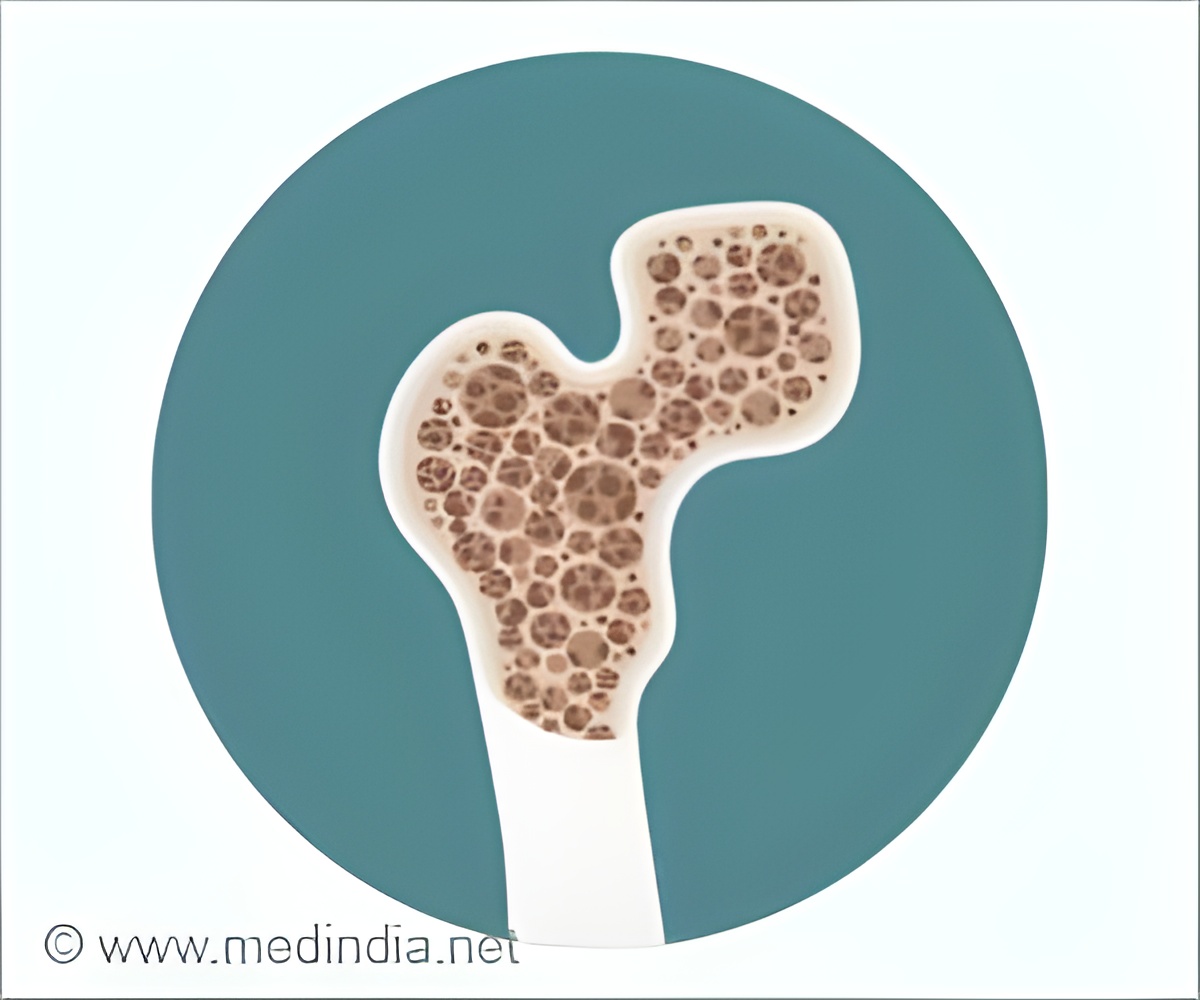
Association between osteoporosis and rotator cuff tears: evidence from causal inference and colocalization analyses
Go to source).
Managing Bone Health Key to Preventing Shoulder Injuries
A new study, published in Bone Research, has now revealed a strong link between osteoporosis and rotator cuff tears. Led by Dr. Jinjin Ma and Dr. Hongmin Cai of South China University of Technology in Guangdong, China, along with Dr. Xiaofei Zheng from Jinan University, the research analyzed health and genetic data from the UK Biobank, which tracks over 500,000 participants. The findings indicate that osteoporosis not only increases the risk of RCTs but also shares common genetic pathways with these shoulder injuries, shedding light on potential targets for prevention and treatment.
Lifestyle And Osteoporosis
Encyclopedia section of medindia briefly explains about Lifestyle and Osteoporosis
Encyclopedia section of medindia briefly explains about Lifestyle and Osteoporosis
TOP INSIGHT

Strong evidence links #osteoporosis to a significantly increased risk of #rotatorcufftears. Managing your #bonehealth may be critical for preventing these painful #shoulderinjuries! #Orthopedics
To explore the connection, the research team examined health records from nearly 458,000 people and then tracked over 268,000 of them for 11 years. They used advanced statistical and computer-based methods to rule out other possible explanations, such as age, sex, or lifestyle. This allowed them to move beyond showing a simple link and instead suggest that osteoporosis itself may directly increase the risk of RCTs.
The findings were striking. Individuals with osteoporosis were 1.56 times more likely to suffer an RCT than those without the condition. The risk was particularly pronounced among women, highlighting how hormonal changes—especially the sharp decline in estrogen after menopause—may accelerate both bone loss and tendon damage.
Rotator Cuff Injury
Rotator cuff injury can be a tendinitis, a strain, or a tear of the rotator cuff muscles. The rotator cuff is made up of four tendons that fuse to surround the shoulder joint.
Rotator cuff injury can be a tendinitis, a strain, or a tear of the rotator cuff muscles. The rotator cuff is made up of four tendons that fuse to surround the shoulder joint.
The researchers also looked at whether genes might explain why the two conditions often appear together. By comparing large sets of genetic data, they discovered six points in the genome that seem to influence both osteoporosis and RCTs. Among these, one variant near the PKDCC gene stood out and was confirmed across multiple datasets. This gene is known to help regulate bone and tendon tissue, offering a possible biological explanation for the link.

Quiz on Osteoporosis
Osteoporosis is a debilitating condition that affects all the bones. However, the bones of the hip, wrists and spine are most affected. Learn more about the debilitating disease of Osteoporosis by taking this ...
Osteoporosis is a debilitating condition that affects all the bones. However, the bones of the hip, wrists and spine are most affected. Learn more about the debilitating disease of Osteoporosis by taking this ...
Calcium and Vitamin D Do Not Reduce Shoulder Injury Risk
The study also found that common supplements such as calcium and vitamin D did not reduce the risk of shoulder injuries. This suggests that stronger osteoporosis treatments—such as certain prescription drugs or hormone therapies—may hold greater promise, though further research is needed.RCTs are already a growing public health concern, with nearly a quarter of surgical repairs failing within two years. Combined with the high global burden of osteoporosis—affecting more than 200 million people—the link between the two conditions highlights an urgent need for preventive strategies.
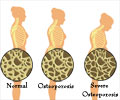
Top 10 Tips to Increase Bone Strength
Find out how to increase bone strength and lower your risk of suffering from degenerative bone conditions like osteoporosis with some simple tips.
Find out how to increase bone strength and lower your risk of suffering from degenerative bone conditions like osteoporosis with some simple tips.
Although this extensive study offers valuable insights, the authors emphasize the need for further research. It only considered individuals with diagnosed tears, leaving silent, undiagnosed cases unexamined. Additionally, the exact mechanisms linking osteoporosis to tendon weakness require validation through further laboratory studies.
The findings signify a key advancement in musculoskeletal research. By combining extensive population data, modern analysis, and genetic insights, the team has shown that brittle bones and torn shoulders are more closely related than previously understood.
“These findings remind us that bone and tendon health are deeply interconnected. By recognizing and addressing this relationship, we may be able to develop new strategies to protect both, ensuring healthier and more active lives as people age,” concludes Dr. Ma.
Reference:
- Association between osteoporosis and rotator cuff tears: evidence from causal inference and colocalization analyses - (https://www.nature.com/articles/s41413-025-00450-z)
Source-Eurekalert
 Email
Email