MEDINDIA
 English
 हिन्दी
 Español
 français
 中文
中文
The physical activities performed were correlated to the brain volumes and spanned a wide variety of interests from gardening and dancing to riding an exercise.


Risk Factors for Alzheimers Disease
Cognitively normal adults exhibiting atrophy of their temporal lobe or damage to blood vessels in the brain are more likely to develop Alzheimer’s disease.
Cognitively normal adults exhibiting atrophy of their temporal lobe or damage to blood vessels in the brain are more likely to develop Alzheimer’s disease.
TOP INSIGHT

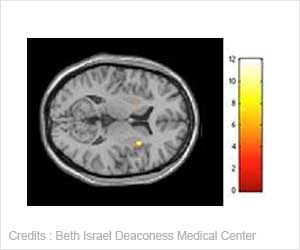
Physical activity was correlated with larger brain volumes in the frontal, temporal, and parietal lobes including the hippocampus.
The results of the analysis showed that increasing physical activity was correlated with larger brain volumes in the frontal, temporal, and parietal lobes including the hippocampus. Individuals experiencing this brain benefit from increasing their physical activity experienced a 50% reduction in their risk of Alzheimer's dementia. Of the roughly 25% in the sample who had mild cognitive impairment associated with Alzheimer's, increasing physical activity also benefitted their brain volumes.
Said lead author Cyrus A. Raji, MD, PhD, of UCLA, "This is the first study in which we have been able to correlate the predictive benefit of different kinds of physical activity with the reduction of Alzheimer's risk through specific relationships with better brain volume in such a large sample."

Inability to Recognize Familiar Smells Could Signal Alzheimers
People who have difficulty recognizing familiar smells could be experiencing an early sign of Alzheimer's disease, according to a study published Monday.
People who have difficulty recognizing familiar smells could be experiencing an early sign of Alzheimer's disease, according to a study published Monday.
According to the Alzheimer's Association, Alzheimer's disease currently affects 5.1 million Americans and is projected to increase to13.8 million over the next 30 years. Dr. Raji commented, "We have no magic bullet cure for Alzheimer's disease. Our focus needs to be on prevention."

Lack of Vitamin D Linked to Higher Risk of Dementia
Older people who do not get enough vitamin D face a much higher risk of Alzheimer's disease or dementia, the largest study of its kind on the topic said.
Older people who do not get enough vitamin D face a much higher risk of Alzheimer's disease or dementia, the largest study of its kind on the topic said.

Young Blood to Cure Decline of Aging Brain
A research showed that injections of juvenile mouse blood boosts learning and memory in older rodents, findings that hold the long-sought cure for the decline of ageing brain.
A research showed that injections of juvenile mouse blood boosts learning and memory in older rodents, findings that hold the long-sought cure for the decline of ageing brain.
 Email
Email