MEDINDIA
 English
 हिन्दी
 Español
 français
 中文
中文
Do diet, drug and gut bacteria impact our overall health and wellbeing? Yes, a new study highlights that our daily diet can alter the effectiveness of a type-2 diabetes drug metformin through its action on gut bacteria.
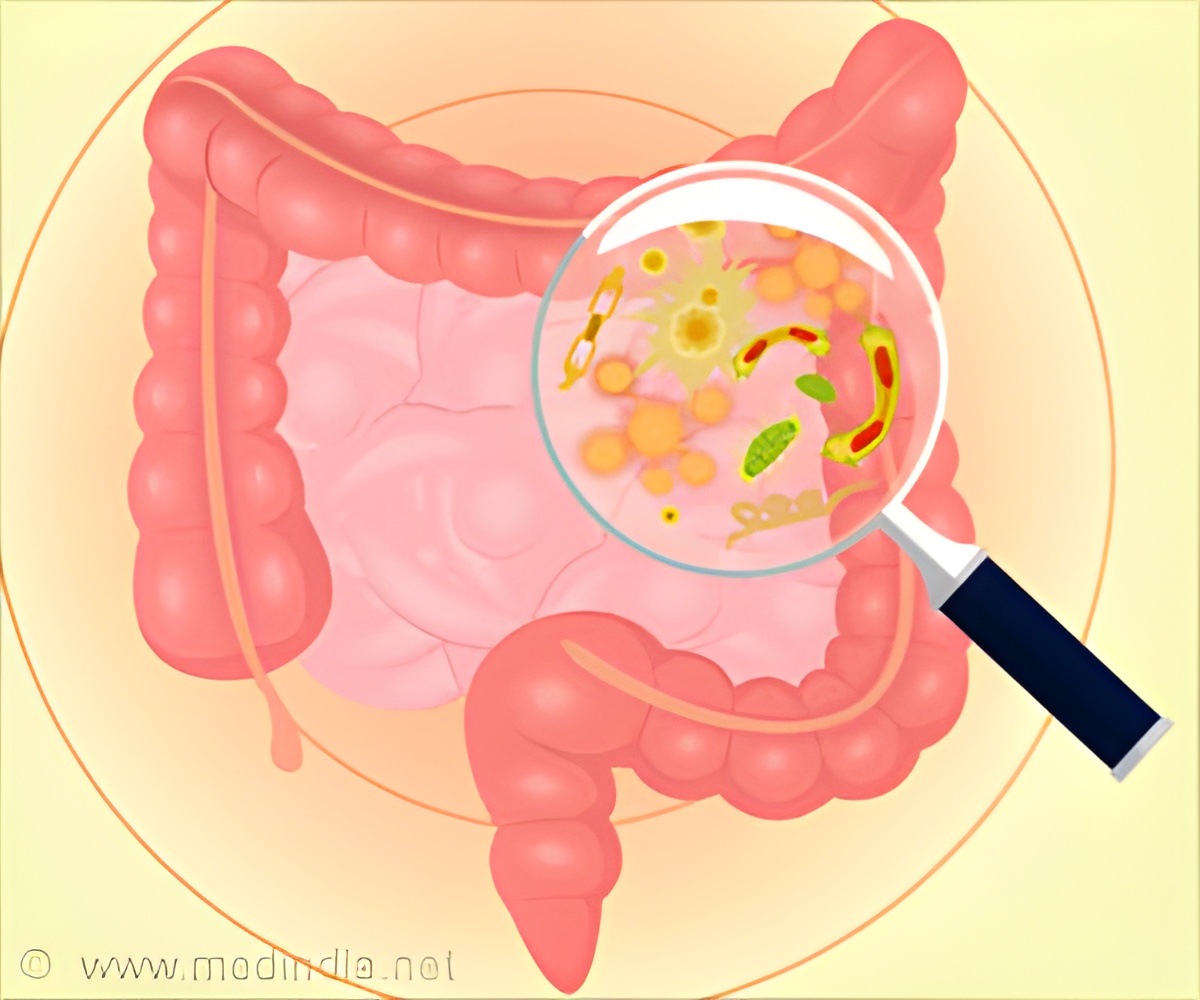
Microbiome in Gut Affects Responses to Anti-diabetic Drugs
Gut microbiome influences the metabolism of the antidiabetic drugs which cause variation in the patient's therapeutic response
Gut microbiome influences the metabolism of the antidiabetic drugs which cause variation in the patient's therapeutic response
TOP INSIGHT

Do diet, drug, and gut bacteria impact our overall health and wellbeing? Yes, a new study highlights that our daily diet can alter the effectiveness of a type-2 diabetes drug metformin through its action on gut bacteria.
New Screening Technique
Cabreiro and his team developed an innovative four-way high-throughput screening technique to better understand how diet, drugs and the gut microbiome interact to influence host physiology. They used the nematode worm C. elegans colonized with the human gut bacteria E. coli as a simplified host-microbiome model and exposed it to metformin in the presence of hundreds of different nutritional compounds.
Good Gut Bacteria are Being Affected by Common Drugs
One in every four drugs can affect good gut bacteria with their side effects, finds a new study. These drugs can also cause antibiotic-like side-effects on the gut bacteria.
One in every four drugs can affect good gut bacteria with their side effects, finds a new study. These drugs can also cause antibiotic-like side-effects on the gut bacteria.
The importance of the diet and gut bacteria explain why metformin was previously shown to have no effect on the lifespan of another commonly studied organism, the fruit fly. Helena Cochemé, who collaborated on this study says "As it turned out, the typical laboratory food of fruit flies is rich in sugars. After taking away the sugar we also saw positive effects of metformin in fruit flies colonized with E. coli."
Amazing Benefits of Gut Bacteria
The bacteria that live in the gut offer numerous health benefits such as synthesis of vitamin K, boosting immunity and metabolism of bile acids.
The bacteria that live in the gut offer numerous health benefits such as synthesis of vitamin K, boosting immunity and metabolism of bile acids.
Further analysis revealed that bacteria possess a sophisticated mechanism that enables them to coordinate nutritional and metformin signals and to rewire their own metabolism accordingly. As a result of this adaptation, the bacteria accumulate a metabolite called agmatine which was shown to be required for the positive effects of metformin on host health.

Antibiotics Affect Gut Bacteria and Reduce Glucose Level in the Blood
Depleting microbiome with antibiotics can affect glucose metabolism, research at the Salk Institute finds. These findings suggest that microbiome can be manipulated to make the gut produce high levels of hormones that make the body more sensitive to insulin.
Depleting microbiome with antibiotics can affect glucose metabolism, research at the Salk Institute finds. These findings suggest that microbiome can be manipulated to make the gut produce high levels of hormones that make the body more sensitive to insulin.
Cabreiro collaborated with Christoph Kaleta from Kiel University to investigate whether the results found in C. elegans could also be observed in the more complex microbiota of humans. They analyzed data related to the microbiome, nutrition and medication status of a large cohort of type-2 diabetic patients and healthy controls. "Intriguingly, we found that metformin treatment was strongly associated with an increased capacity for bacterial agmatine production," says Kaleta. Importantly, they could reproduce their findings in several independent cohorts of type-2 diabetic patients across Europe. Moreover, the bacterial species found to be major producers of agmatine were those known to be increased in the gut microbiome of metformin-treated type-2 diabetic patients.
Implications for Metformin Treatment
"Our results shed light on how the complex network of interactions between diet, microbiota and host impacts the efficacy of drugs," says Cabreiro. "With our high-throughput screening approach we now finally have a tool at hand that allows us to tackle this complexity".
The findings of this study may help to inform dietary guidelines or the development of genetically engineered bacteria that could be used to enhance the beneficial effects of metformin. They may also provide a valuable insight into the evidence that suggests that metformin-treated type-2 diabetic patients are healthier and live longer than non-diabetic individuals.
Source-Eurekalert
 Email
Email