MEDINDIA
 English
 हिन्दी
 Español
 français
 中文
中文
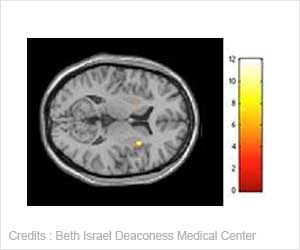
Researchers in the United States have studied a group of Vietnam veterans who suffered combat related brain injuries.

Brain Exercises to Improve Memory
An active brain can certainly help in improving memory by strengthening the connections between neural impulses in brain.
An active brain can certainly help in improving memory by strengthening the connections between neural impulses in brain.
A previous study led by Barbey mapped the neural basis of general intelligence by analyzing how specific brain injuries (in a larger sample of Vietnam veterans) impaired performance on tests of fundamental cognitive processes.
In both studies, researchers pooled data from CT scans of participants' brains to produce a collective, three-dimensional map of the cerebral cortex. They divided this composite brain into 3-D units called voxels.

Brain Food
It is a myth that the brain quits generating new cells once you reach adulthood. They are regenerating all the time.
It is a myth that the brain quits generating new cells once you reach adulthood. They are regenerating all the time.
They found that specific regions in the frontal cortex (behind the forehead) and parietal cortex (top of the brain near the back of the skull) were important to both general and emotional intelligence. The frontal cortex is known to be involved in regulating behavior. It also processes feelings of reward and plays a role in attention, planning and memory. The parietal cortex helps integrate sensory information, and contributes to bodily coordination and language processing.
Head Injury | Brain Injury Overview Types Causes Symptoms Diagnosis Treatment
Head injury or traumatic brain injury is a leading cause of disability among children and young adults that leads to varying degrees of physical and mental stability. Fortunately, it is also one of the preventable brain disorder.
Head injury or traumatic brain injury is a leading cause of disability among children and young adults that leads to varying degrees of physical and mental stability. Fortunately, it is also one of the preventable brain disorder.
"Intelligence, to a large extent, does depend on basic cognitive abilities, like attention and perception and memory and language. But it also depends on interacting with other people. We're fundamentally social beings and our understanding not only involves basic cognitive abilities but also involves productively applying those abilities to social situations so that we can navigate the social world and understand others," Barbey said.
The study appeared in the journal Social Cognitive and Affective Neuroscience.
Source-ANI
 Email
Email