MEDINDIA
 English
 हिन्दी
 Español
 français
 中文
中文
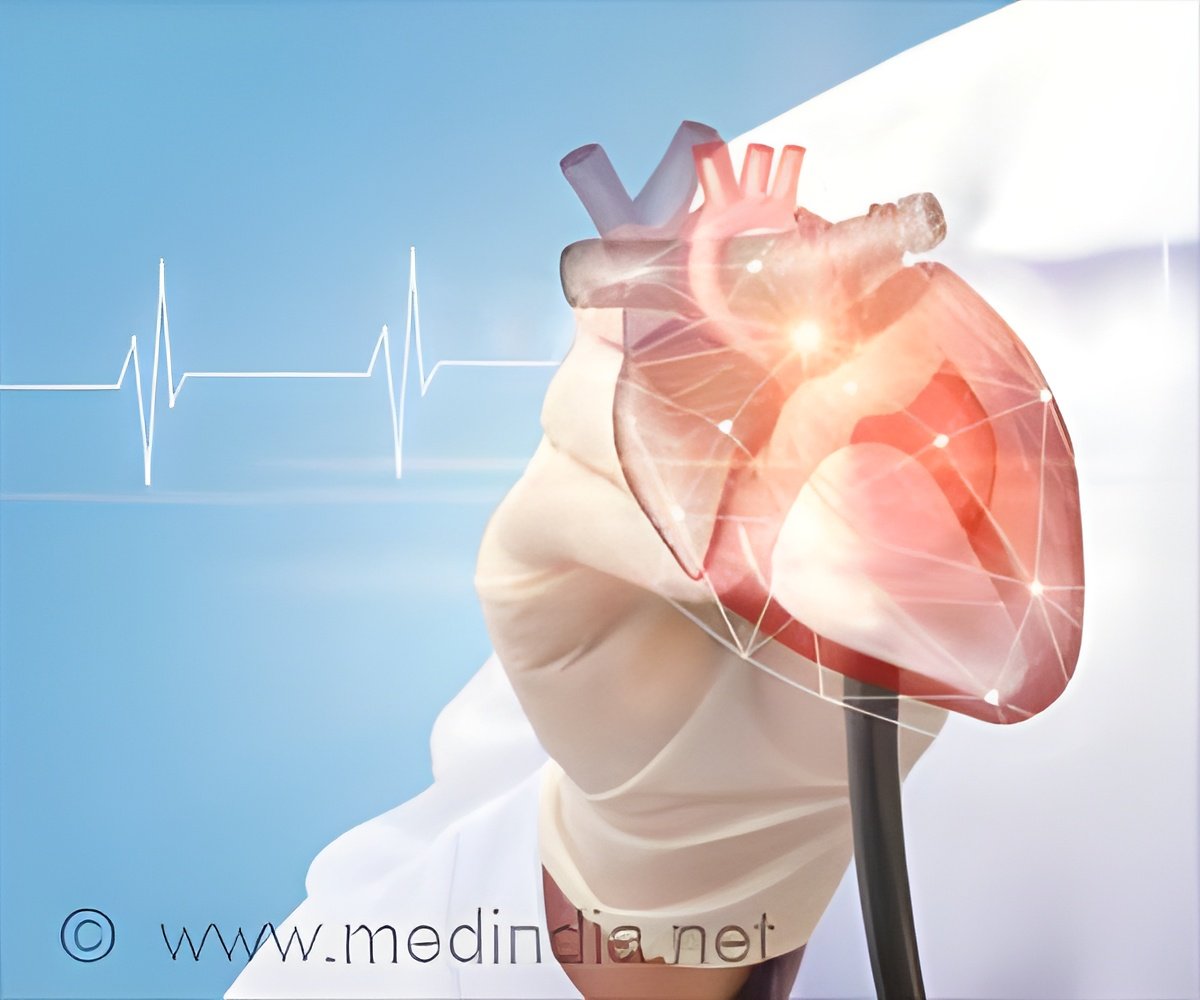
COVID-19 infection can cause changes in calcium channels that can affect how the heart beats, it can also trigger inflammation and oxidative stress in the heart.

Post-COVID Syndrome
Post-COVID complications are the conditions that develop weeks after recovering from COVID-19
Post-COVID complications are the conditions that develop weeks after recovering from COVID-19
TOP INSIGHT

Adverse changes to a protein called RyR2, which is responsible for regulating the heart’s calcium ion levels were detected in COVID-19 patients.
How Does COVID-19 Affect your Heart?
The heart muscle, like all muscle cells, needs calcium ions to contract. The heart’s system for managing calcium ions is essential for the coordinated contractions of the atria and ventricles that pump blood throughout the body. When calcium in the heart becomes dysregulated, it can cause arrhythmias or heart failure.To study changes to the heart further, they used a mouse model infected with COVID-19. They observed changes to the heart tissue, including immune cell infiltration, collagen deposition (indicative of injury), death of heart cells, and blood clots.
They also measured changes to the heart proteome—the proteins that are expressed by the heart cells—and found patterns consistent with changes observed in human hearts that were infected with COVID-19, as well as markers of cardiomyopathy, which can make it harder for the heart to pump blood to the body and can lead to heart failure.
Be Aware of COVID-19 Induced Heart Damage
The more awareness you build around particular aspects of a disease, the more likely you are to improve the care of patients. And doctors should be aware of heart changes related to COVID-19 infections and should be looking for them.
COVID-19 Vaccines Included in Immunization Schedules for 2023
The new 2023 recommended adult and childhood/adolescent immunization schedules feature vaccines that offer protection against COVID-19.
The new 2023 recommended adult and childhood/adolescent immunization schedules feature vaccines that offer protection against COVID-19.
Additionally, understanding the cardiac complications of COVID-19 can also help public health officials make more informed decisions about how to respond to the COVID-19 pandemic, especially in advising those at higher risk for heart problems.

Machine Learning can Predict Heart Damage in COVID-19 Victims
Machine learning can identify COVID-19-related heart injury that could result in heart dysfunction and sudden cardiac death, which is crucial in the fight against novel coronavirus.
Machine learning can identify COVID-19-related heart injury that could result in heart dysfunction and sudden cardiac death, which is crucial in the fight against novel coronavirus.
Source-Eurekalert

Heart Muscle Inflammation Seldom Occurs After COVID-19 mRNA Vaccination
Adults who received at least one COVID-19 mRNA vaccine shot have a low risk of acute myocarditis (inflammation of the heart muscle), and chances are 5.8 cases per million after the second dose.
Adults who received at least one COVID-19 mRNA vaccine shot have a low risk of acute myocarditis (inflammation of the heart muscle), and chances are 5.8 cases per million after the second dose.
 Email
Email