MEDINDIA
 English
 हिन्दी
 Español
 français
 中文
中文
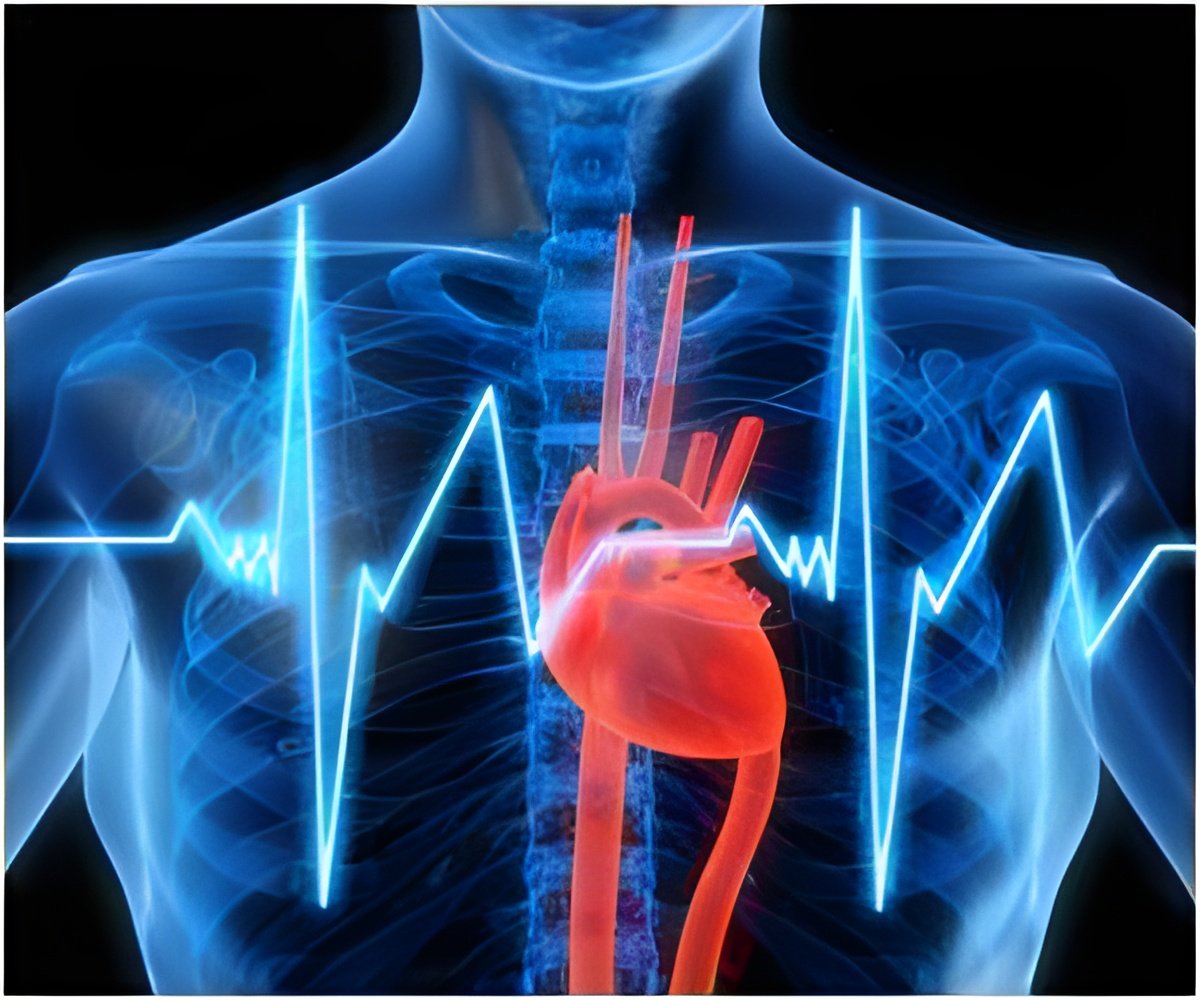
Machine learning can identify COVID-19-related heart injury that could result in heart dysfunction and sudden cardiac death, which is crucial in the fight against novel coronavirus.

Vitamin D3 present in the Sun may Help Restore Heart Damage
Vitamin D3, which is made by the body naturally when skin is exposed to the sun can help restore cardiovascular damage caused by chronic diseases, finds a new study.
Vitamin D3, which is made by the body naturally when skin is exposed to the sun can help restore cardiovascular damage caused by chronic diseases, finds a new study.
TOP INSIGHT

Novel machine learning algorithm aims to help clinicians quickly identify patients at risk of heart injury using real-time clinical data.
The first phase of the one-year project, which just received IRB approval for Suburban Hospital and Sibley Memorial Hospital within the Johns Hopkins Health System (JHHS), will collect the following data from more than 300 COVID-19 patients admitted to JHHS: ECG, cardiac-specific laboratory tests, continuously-obtained vital signs like heart rate and oxygen saturation, and imaging data such as CT scans and echocardiography. This data will be used to train the algorithm.
The researchers will then test the algorithm with data from COVID-19 patients with heart injury at JHHS, other nearby hospitals, and perhaps some in New York City. The hope is to create a predictive risk score that can determine up to 24 hours ahead of time which patients are at risk of developing adverse cardiac events.

Cardiovascular Medications With Chemotherapy Reduce Heart Damage In Cancer Patients
Early stage breast cancer patients can reduce the risk of heart complications by taking a combination of heart medications along with chemotherapy.
Early stage breast cancer patients can reduce the risk of heart complications by taking a combination of heart medications along with chemotherapy.
As far as the researchers are aware, their approach will be the first to predict COVID-19-related cardiovascular outcomes.
Heart Damage After Attack can be Reversed Through Gene Therapy
Gene therapy can be used to treat patients who have suffered damage to their hearts following cardiac arrests and other heart conditions, a new study by American researchers reveals.
Gene therapy can be used to treat patients who have suffered damage to their hearts following cardiac arrests and other heart conditions, a new study by American researchers reveals.
"This project aims to help clinicians quickly risk-stratify patients using real-time clinical data, with the goal of widely disseminating this knowledge to help medical practitioners around the world in their approach to treating and monitoring patients suffering from COVID-19."
John Hopkins Researchers: Losing Weight Sooner More Beneficial on Reversing Heart Damage from Obesity
The impact of dieting and losing weight benefits the heart health of the young, but not the older ones finds John Hopkins researchers in a study on obese mice.
The impact of dieting and losing weight benefits the heart health of the young, but not the older ones finds John Hopkins researchers in a study on obese mice.
This project will shed more light on how COVID-19-related heart injury could result in heart dysfunction and sudden cardiac death, which is critical in the fight against COVID-19. The project will also help clinicians determine which biomarkers are most predictive of adverse clinical outcome.
Once the research team creates and tests their algorithm, they will make it widely available to any interested health care institution to implement. "By predicting who's at risk for developing the worst outcomes, health care professionals will be able to undertake the best routes of therapy or primary prevention and save lives," says Trayanova.
Trayanova, whose work focuses on bringing engineering approaches to the clinical realm, is hopeful that this project will augment the role of engineering in helping patients live longer and lead healthier lives.
Source-Newswise
 Email
Email