MEDINDIA
 English
 हिन्दी
 Español
 français
 中文
中文
Expanding TB screening to include both active and latent infections could improve detection rates.

How to diagnose TB in migrants? A systematic review of reviews and decision tree analytical modelling exercise to evaluate properties for single and combined TB screening tests
Go to source).
Innovative TB Screening Strategy
The research team’s innovative approach offers a solution to the limitations of current TB screening methods, which often struggle to detect the disease accurately. Published in the European Respiratory Journal, the findings suggest that integrating tests for both active and latent TB infections could help reduce infection rates and save lives, especially among high-risk groups.
Diet in Tuberculosis
Patients with tuberculosis should eat a healthy diet so that they build up their immunity to fight against tuberculosis.
Patients with tuberculosis should eat a healthy diet so that they build up their immunity to fight against tuberculosis.
TOP INSIGHT

Game-changer in #tuberculosis screening? A new strategy could fix current detection flaws by screening for both active & dormant infections. #TB
The researchers emphasized that TB remains one of the world's deadliest infectious diseases, with 10.8 million new cases and 1.25 million deaths recorded globally in 2023. While TB can stay dormant in the body for years without causing symptoms, it may reactivate later, particularly in individuals with weakened immune systems or other risk factors.
Recognizing the need for more comprehensive screening, the team analyzed data from 437 studies and systematic reviews covering 13 different TB tests. Their evaluation focused on the tests’ ability to correctly identify TB cases while minimizing false positives.
Drug-Resistant Tuberculosis
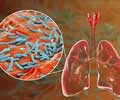
Drug-resistant tuberculosis (TB) is a globally serious infectious disease caused by the bacterium Mycobacterium tuberculosis. It occurs as multidrug-resistant or MDR TB or in its more severe form, extensively drug-resistant or XDR TB.
Drug-resistant tuberculosis (TB) is a globally serious infectious disease caused by the bacterium Mycobacterium tuberculosis. It occurs as multidrug-resistant or MDR TB or in its more severe form, extensively drug-resistant or XDR TB.
This new approach marks a shift from traditional TB testing protocols, which typically use TBI tests only for diagnosing latent infections. Researchers hope that their findings will influence global health guidelines and inform policymakers on the best practices for TB screening.

Quiz on Tuberculosis
Tuberculosis is a major health care concern, especially in Africa and South East Asia. Brush up your information on tuberculosis by taking this quiz. ...
Tuberculosis is a major health care concern, especially in Africa and South East Asia. Brush up your information on tuberculosis by taking this quiz. ...
The researchers advocate for the adoption of this dual-testing method as part of broader strategies to combat TB, particularly in vulnerable and migrant populations, where early detection can make a critical difference.

The Lungs - Animation
The lungs are our organs of respiration. It is within these, that exchange of gases takes place.
The lungs are our organs of respiration. It is within these, that exchange of gases takes place.
- How to diagnose TB in migrants? A systematic review of reviews and decision tree analytical modelling exercise to evaluate properties for single and combined TB screening tests - (https://publications.ersnet.org/content/erj/early/2025/04/03/1399300302000-2024)
Source-Medindia
 Email
Email