MEDINDIA
 English
 हिन्दी
 Español
 français
 中文
中文
The World Health Organization (WHO) has warned that tuberculosis (TB) still remains as the world's deadliest infectious disease, even after averting an estimated 54 million tuberculosis (TB) deaths since 2000.
Tuberculosis - Spread - Symptoms - Diagnosis - Treatment - FAQs
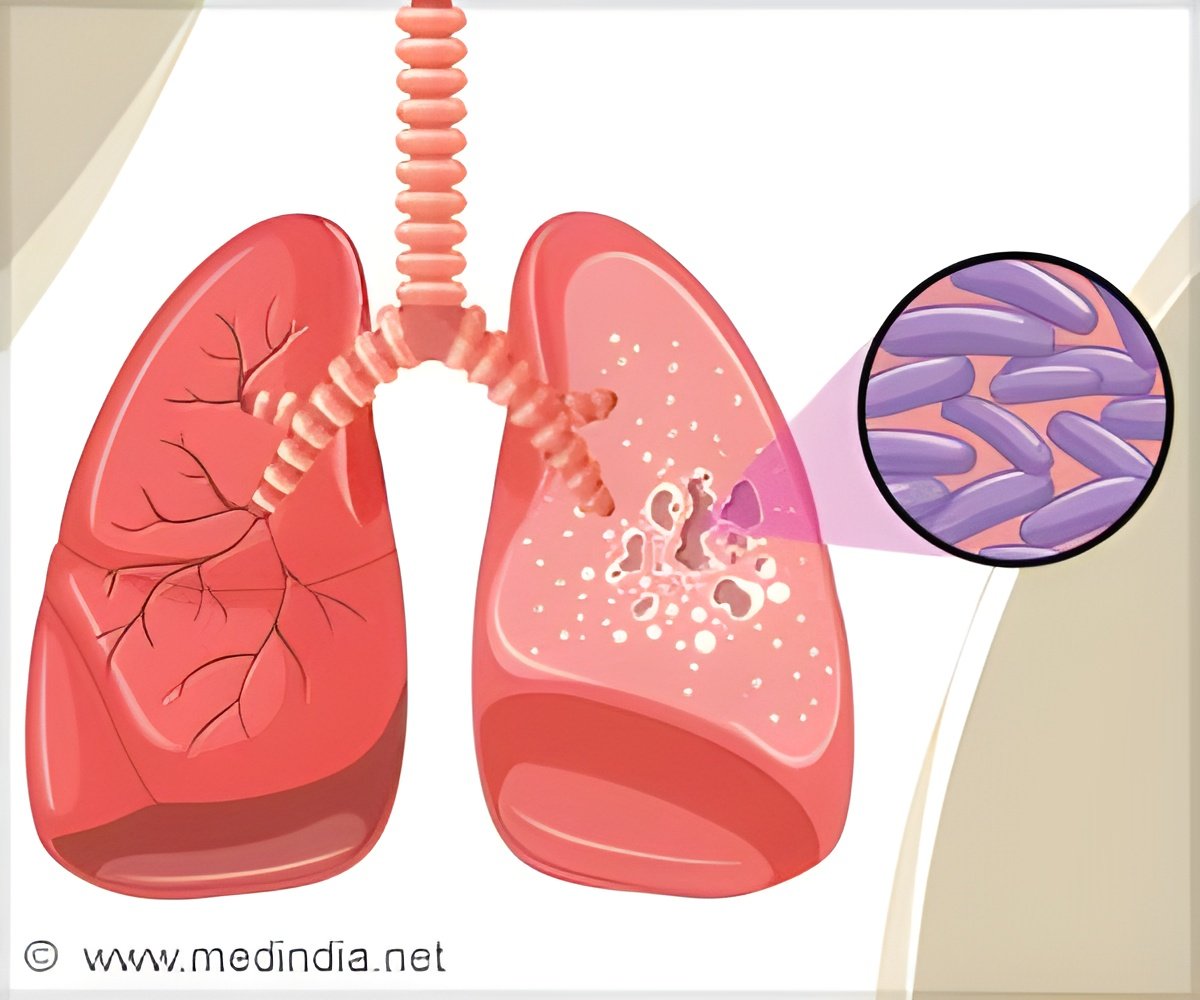
Tuberculosis, caused by Mycobacterium tuberculosis, primarily affects the lung. It may spread to other organs.
Tuberculosis, caused by Mycobacterium tuberculosis, primarily affects the lung. It may spread to other organs.
TOP INSIGHT

The World Health Organization (WHO) strongly recommends preventive treatment for people living with HIV, and children under five years living in households with tuberculosis (TB).
However, underreporting and under-diagnosis of TB cases remains a major challenge. Of the 10 million people who fell ill with TB in 2017, only 6.4 million were officially recorded by national reporting systems, leaving 3.6 million people undiagnosed, or detected but not reported.
Ten countries accounted for 80 percent of this gap, according to the report, with India, Indonesia and Nigeria topping the list. Less than half of the estimated one million children with TB were reported in 2017, making it a much higher gap in detection than that in adults.

Diet in Tuberculosis | Tuberculosis Diet
Patients with tuberculosis should eat a healthy diet so that they build up their immunity to fight against tuberculosis.
Patients with tuberculosis should eat a healthy diet so that they build up their immunity to fight against tuberculosis.
To urgently improve detection, diagnosis and treatment rates, the WHO and partners launched a new initiative in 2018 to set the target of providing quality care to 40 million people with TB from 2018 to 2022, while predicting that at least 30 million people should be able to access TB preventive treatment during the period.
Extra Pulmonary Tuberculosis - Symptoms, Signs, Causes, Risk factors, Treatment
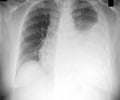
Extra pulmonary tuberculosis is infection of tissues and organs other than the lungs by mycobacterium tuberculosis and related organisms.
Extra pulmonary tuberculosis is infection of tissues and organs other than the lungs by mycobacterium tuberculosis and related organisms.
Next week's UN High-Level Meeting on TB is critical and the WHO, while calling for the health sector to address the risk factors and determinants of the disease, is particularly pushing for commitments at the level of heads of state to galvanize multi-sectoral action.
Renal Tuberculosis - Causes, Symptoms, Complications, Diagnosis & Treatment
Renal tuberculosis or tuberculosis of the kidney is a type of genitourinary tuberculosis that can be treated with anti-tubercular medications.
Renal tuberculosis or tuberculosis of the kidney is a type of genitourinary tuberculosis that can be treated with anti-tubercular medications.
"We must ensure that we hold our leaders accountable for the actions they promise to take. And we must hold ourselves accountable for keeping the pressure on."
Source-IANS
 Email
Email