MEDINDIA
 English
 हिन्दी
 Español
 français
 中文
中文
AI offers hope for smarter, more targeted therapies in breast cancer by uncovering the hidden diversity of cancer cells.
AAnet resolves a continuum of spatially-localized cell states to unveil intratumoral heterogeneity Open Access
Go to source).

Prevention and Management of Breast Cancer with Lifestyle Changes
Lifestyle choices may or may not cause breast cancer but healthy lifestyle changes can open up avenues beyond breast cancer. Good habits will allow one to fight breast cancer and to live with dignity.
Lifestyle choices may or may not cause breast cancer but healthy lifestyle changes can open up avenues beyond breast cancer. Good habits will allow one to fight breast cancer and to live with dignity.
TOP INSIGHT

Did You Know?
Not all tumour cells are the same — AI is transforming how we fight cancer.
#medindia #cancerresearch #artificialintelligence #breastcancer #healthtech
Tumours: A Hidden City of Cell Types
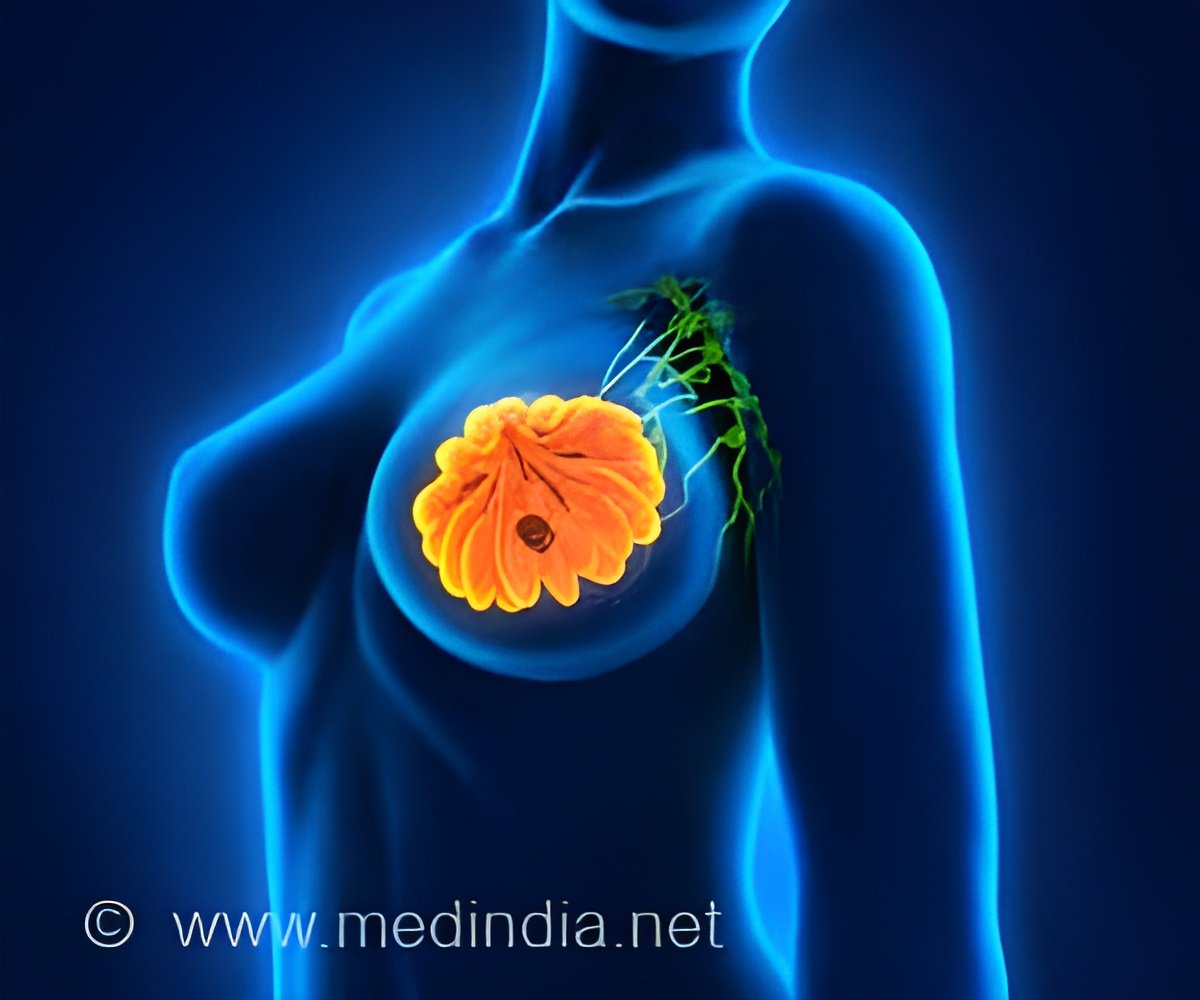
Think of a tumour like a busy city. It’s not just one kind of person living there—there are different communities of cells, each with their own role. Some cells grow fast, others resist treatment, and a few may even help the cancer spread. This cellular diversity, known as heterogeneity, is what makes cancer so tricky to treat. Understanding this is the first step to outsmarting the disease.
Breast Cancer - Causes, Risks, Symptoms, Diagnosis, Staging, Treatment, Prevention & Prognosis
Breast cancer is a cancer that affects the breasts or mammary glands. Early detection and lifestyle changes help in controlling breast cancer.
Breast cancer is a cancer that affects the breasts or mammary glands. Early detection and lifestyle changes help in controlling breast cancer.
AAnet: The AI Detective Inside the Tumour
Traditional tools couldn’t spot the subtle differences between cancer cells—but AAnet can. This powerful AI algorithm scans gene activity inside single cells and discovers patterns too complex for the human eye. It groups similar cells into clear "archetypes", showing us how different parts of a tumour behave. It’s like going from a blurry image to crystal-clear insight.
Breast Cancer Screening using Mammogram
Breast cancer if detected early can be completely cured. Mammography is used to screen women for breast cancer.
Breast cancer if detected early can be completely cured. Mammography is used to screen women for breast cancer.
Meet the 5 Cell Archetypes – Cancer's Hidden Faces
There are five unique groups of cells in breast tumours. Each group—or “archetype”—has its own traits: one may grow quickly, another might survive low oxygen, and one could even help cancer spread. These aren’t just technical details—they’re clues to more effective treatment, guiding doctors to target every type of bad actor.
Soon Dentists can Detect Breast Cancer by a Simple Saliva Test
US researchers are conducting a study to identify and quantify specific protein markers in human saliva, which will help in the early, non-invasive diagnosis of breast cancer.
US researchers are conducting a study to identify and quantify specific protein markers in human saliva, which will help in the early, non-invasive diagnosis of breast cancer.
A New Chapter for Breast Cancer Treatment
Most treatments today focus on where the cancer began—like the breast—but not on what’s happening inside the tumour. AAnet changes that. It helps doctors look deeper than ever before, making room for personalized combination therapies that attack each cell group based on its biology. This approach could reduce relapses and improve overall success rates.From Lab to Life: What’s Next for AAnet
The next goal is to see how these cell groups change over time, especially before and after chemotherapy. This will help researchers understand which cells survive treatment—and why. The long-term dream? To use AAnet in hospitals, combining it with traditional tests so that every cancer patient gets the most personalized care possible.Beyond Cancer: A Tool for the Future
While this study focused on breast cancer. From other cancers to autoimmune diseases, this AI tool could help decode complex cell behavior in many illnesses. It’s a leap forward where technology meets biology, opening new paths for science, medicine, and patient hope.References:
- AAnet resolves a continuum of spatially-localized cell states to unveil intratumoral heterogeneity - (https://aacrjournals.org/cancerdiscovery/article/doi/10.1158/2159-8290.CD-24-0684/763140/AAnet-resolves-a-continuum-of-spatially-localized )
Source-Garvan Institute of Medical Research
 Email
Email