MEDINDIA
 English
 हिन्दी
 Español
 français
 中文
中文
More than 20,000 years ago, a coronavirus epidemic broke out in the East Asia region, similar to the current Covid-19 pandemic.
Coronavirus
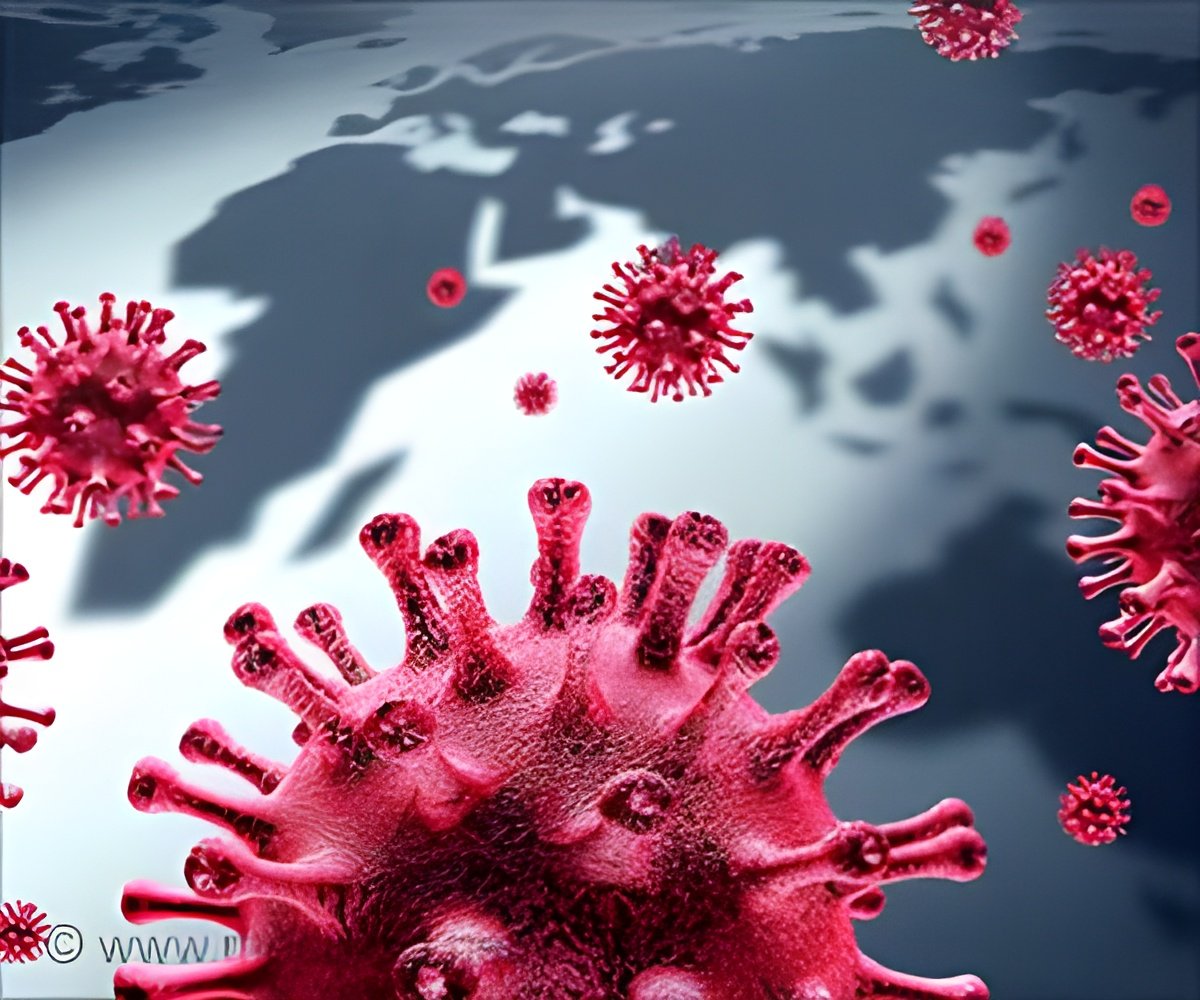
Coronaviruses infect animals, humans, and birds. Human coronaviruses, such as SARS, MERS, and 2019-nCoV cause respiratory distress and even death. The S protein is the infectious agent of the virus.
Coronaviruses infect animals, humans, and birds. Human coronaviruses, such as SARS, MERS, and 2019-nCoV cause respiratory distress and even death. The S protein is the infectious agent of the virus.
TOP INSIGHT

In the last 20 years, Coronaviruses are responsible for three major outbreaks -- the SARS-CoV leading to Severe Acute Respiratory Syndrome, which originated in China in 2002 and killed more than 800 people; MERS-CoV leading to Middle East Respiratory Syndrome, which killed more than 850 people, and the current SARS-CoV-2 leading to Covid-19, which has so far killed 3.9 million people globally.
For the study, published in the journal Current Biology, the team analysed the genomes of more than 2,500 modern humans from 26 worldwide populations, to understand how humans have adapted to historical coronavirus outbreaks.
The team found the role of a specific type of protein, known as a VIP (virus-interacting protein) -- proteins that are part of the cellular machinery that interact with viruses that enter the body.A In the millions of years of human evolution, natural selection has led to the fixation of gene variants encoding virus-interacting proteins (VIPs) at three times the rate observed for other classes of genes.

Test your Knowledge on Coronavirus (COVID-19)
Coronavirus is a large positive-strand RNA virus that is surrounded by a protein envelope. The virus obtains its name from the S protein spikes on its surface, which resemble a crown. The overall pattern of increasing coronavirus cases is shown to spike up with the “second wave” of COVID-19.
With spiking effects of the second wave of coronavirus, the best way to keep it at bay is to follow COVID-appropriate safety practices like wearing a mask, regularly cleaning your hands, and coughing into a bent elbow or tissue along with physical distancing (6 feet about 2 arm's length), that may help evade the severity of COVID-19 infection.
Coronavirus is a large positive-strand RNA virus that is surrounded by a protein envelope. The virus obtains its name from the S protein spikes on its surface, which resemble a crown. The overall pattern of increasing coronavirus cases is shown to spike up with the “second wave” of COVID-19.
With spiking effects of the second wave of coronavirus, the best way to keep it at bay is to follow COVID-appropriate safety practices like wearing a mask, regularly cleaning your hands, and coughing into a bent elbow or tissue along with physical distancing (6 feet about 2 arm's length), that may help evade the severity of COVID-19 infection.
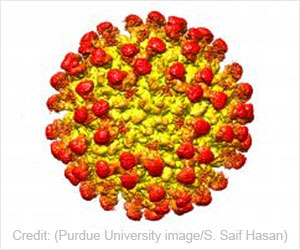
COVID-19 Has Genes Not Seen in Natural Coronavirus
The Science Suggests a Wuhan Lab Leak , as per an op-ed in the Wall Street Journal by two leading US experts.
The Science Suggests a Wuhan Lab Leak , as per an op-ed in the Wall Street Journal by two leading US experts.
"We found the 42 VIPs are primarily active in the lungs -- the tissue most affected by coronaviruses -- and confirmed that they interact directly with the virus underlying the current pandemic," Souilmi added.

India�s Initiative to Enhance Coronavirus Surveillance
India’s initiative to develop consortium of four Indian cities to enhance the coronavirus genome surveillance targets to expand it to other strategic locations in India in collaboration with INSACOG.
India’s initiative to develop consortium of four Indian cities to enhance the coronavirus genome surveillance targets to expand it to other strategic locations in India in collaboration with INSACOG.
"This, in principle, enables us to compile a list of potentially dangerous viruses and then develop diagnostics, vaccines and drugs for the event of their return,"Alexandrov said.
Source-IANS
 Email
Email