MEDINDIA
 English
 हिन्दी
 Español
 français
 中文
中文
Proton-pump inhibitors (PPIs) are commonly prescribed or available as over-the-counter drugs for treating heartburn, indigestion and acid reflux.
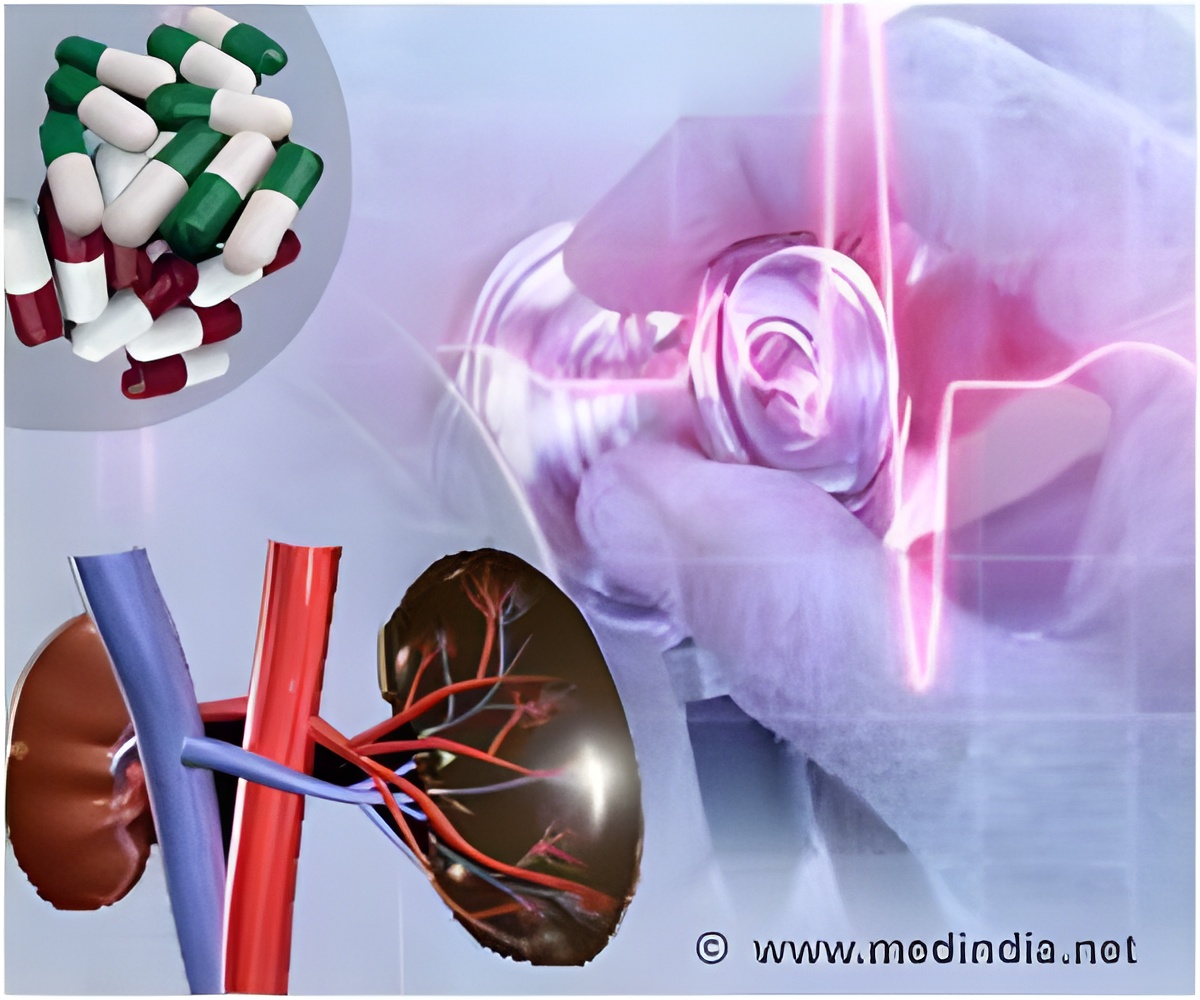
Effects Of Common Heartburn Drugs on Chronic Kidney Disease
Researchers found that proton pump inhibitors (PPI) use was linked with a 10 percent increased risk of CKD and a 76 percent increased risk of dying prematurely.
Researchers found that proton pump inhibitors (PPI) use was linked with a 10 percent increased risk of CKD and a 76 percent increased risk of dying prematurely.
TOP INSIGHT

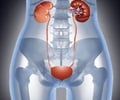
Proton pump inhibitor use is associated with a higher risk of incident chronic kidney disease.
PPIs are sold by prescription and over-the-counter under a variety of brand names, including Nexium, Prilosec and Prevacid in the US.
In the study, researchers analyzed the medical records of two groups of people: 10,482 participants in the Artherosclerosis Risk in Communities (ARIC) study and 248,751 patients in the Geisinger Health System in Pennsylvania.

Association Between Common Heartburn Drugs and Risk of Pneumonia Questioned
A true cause-and-effect relationship may not have been found by previous studies that have associated the use of proton pump inhibitors (PPI) with an increased incidence of pneumonia.
A true cause-and-effect relationship may not have been found by previous studies that have associated the use of proton pump inhibitors (PPI) with an increased incidence of pneumonia.
In the Geisinger Health System, among the 16,900 patients the absolute risk was 15.6 percent, whereas 13.9 percent would have been expected to develop chronic kidney disease.
Heartburn Drugs Cause Osteoporosis in Later Life
Heartburn pills can lead to more than one bargained for - the drugs have been linked to an increased risk of the bone disease osteoporosis.
Heartburn pills can lead to more than one bargained for - the drugs have been linked to an increased risk of the bone disease osteoporosis.
“No one is sure how the drugs might damage the kidneys, but a couple of leading theories exist. The medications can cause magnesium levels to decline in the body, and a lack of this important mineral could damage the kidneys. The kidneys also might become damaged over time if patients suffer repeated bouts of acute kidney inflammation due to proton pump inhibitors,” Grams added.

Acid Reducing Medications may Increase Risk of C.Diff Infection in Children
Pediatricians may do more harm than good by prescribing acid-reducing drugs for infants with non-specific gastrointestinal symptoms like occasional vomiting.
Pediatricians may do more harm than good by prescribing acid-reducing drugs for infants with non-specific gastrointestinal symptoms like occasional vomiting.
Source-Medindia
 Email
Email