MEDINDIA
 English
 हिन्दी
 Español
 français
 中文
中文
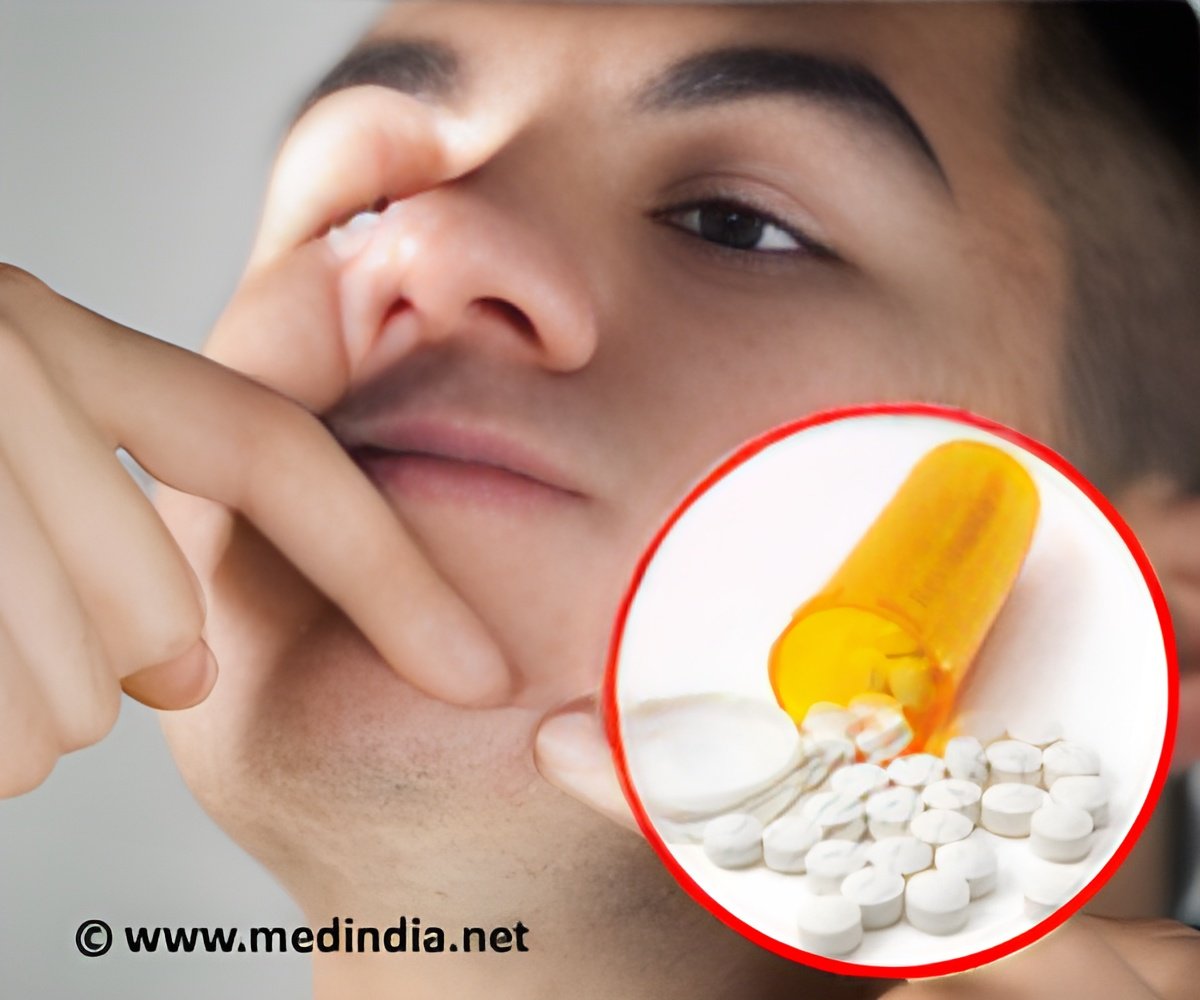
Isotretinoin shifts the skin microbiome of acne patients to more closely resemble that of people with normal skin.
Acne - Causes Symptoms Diagnosis Treatment FAQs Videos Glossary Reference
Acne vulgaris, popularly known as ‘pimples’ or ‘zits’ is a skin condition affecting most teenagers.
Acne vulgaris, popularly known as ‘pimples’ or ‘zits’ is a skin condition affecting most teenagers.
TOP INSIGHT

Isotretinoin drug appears to make the skin less hospitable to acne-causing bacteria.
According to the researchers, there is a need for microbiome-based acne treatment alternatives because isotretinoin causes severe birth defects, so doctors must take added precautions for women of child-bearing age.
Doctors often prescribe antibiotics that target bacteria called Cutibacterium acnes -- also called Propionibacterium acnes -- which is associated with acne.
Top 10 Ways to Clear Acne
Living with acne can be tough, but not anymore. Here we bring you the 10 best ways to deal with acne.
Living with acne can be tough, but not anymore. Here we bring you the 10 best ways to deal with acne.
It is largely thought to treat acne by drying out the skin, making it a less inviting place for acne-causing and acne-promoting microbes to flourish. It is the only therapy that can reliably clear acne long term.
Your Pillowcase Might Be Causing Your Acne Breakouts
The state of your pillowcases may affect your acne. The pillowcase on which, you sleep might be the culprit of your failed beauty care regimen. Read this article to know how pillowcases can cause acne.
The state of your pillowcases may affect your acne. The pillowcase on which, you sleep might be the culprit of your failed beauty care regimen. Read this article to know how pillowcases can cause acne.
"We asked whether we would see fewer of those bad bacteria on the skin after isotretinoin treatment, and we did. But we also know that this drug doesn't work on the bacteria themselves. It changes the patient's skin.

Quiz on Acne
Acne breakouts affect millions of people worldwide, particularly teenagers. Here’s a quiz on some general facts about acne that you should know.
Acne breakouts affect millions of people worldwide, particularly teenagers. Here’s a quiz on some general facts about acne that you should know.
The results were published in the Journal of Investigative Dermatology.
The team studied bacteria sampled from facial skin swabs at four time points over the course of the 10-month study.
They found that isotretinoin therapy increased the diversity of microbes found on the skin.
Source-IANS
 Email
Email