MEDINDIA
 English
 हिन्दी
 Español
 français
 中文
中文
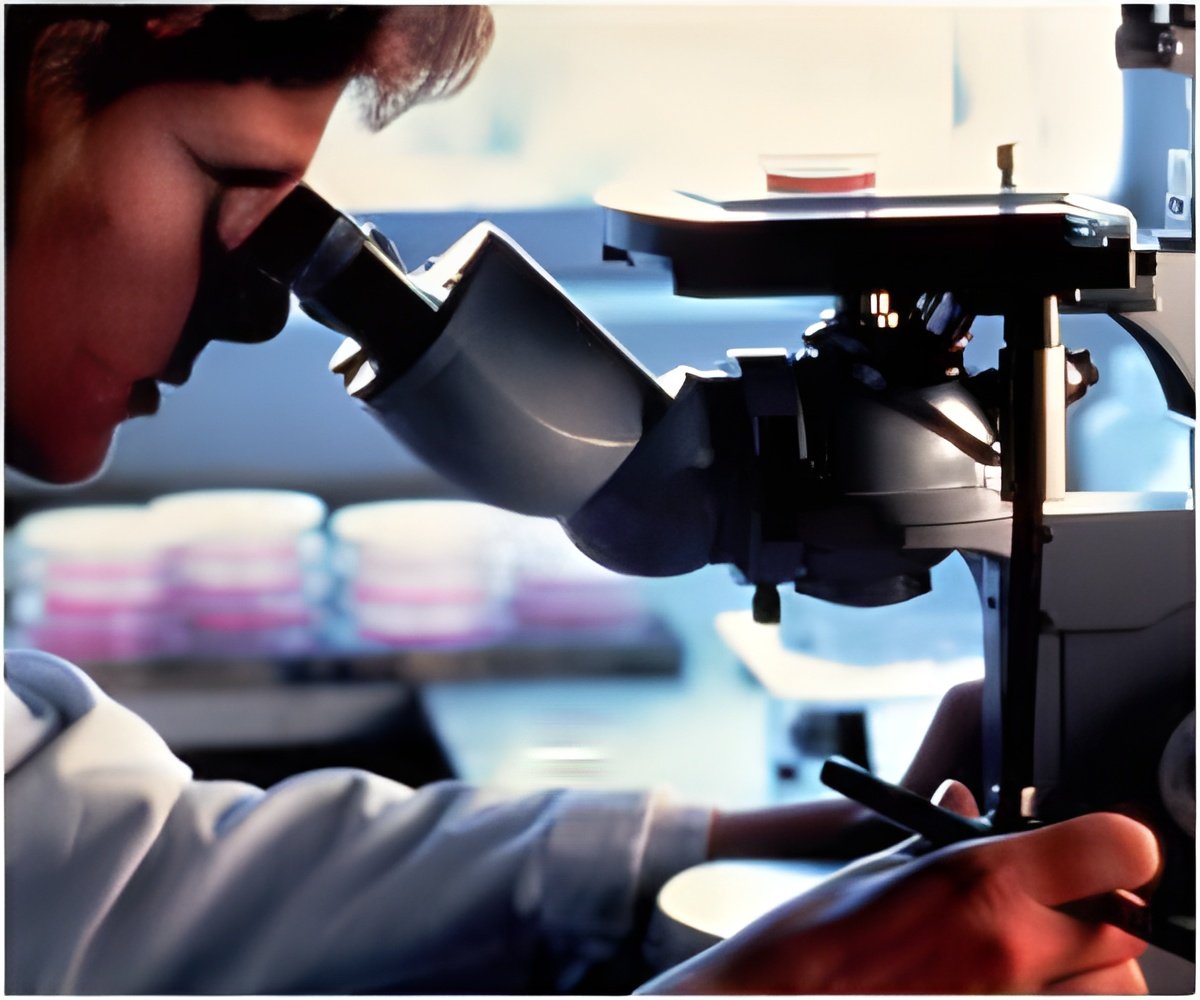
The new developed coating when painted on glass or stainless steel, reduces the amount of SARS-CoV-2 virus by 99.9 per cent in one hour, compared to the uncoated sample, say researchers.
Coronavirus
Coronaviruses infect animals, humans, and birds. Human coronaviruses, such as SARS, MERS, and 2019-nCoV cause respiratory distress and even death. The S protein is the infectious agent of the virus.
Coronaviruses infect animals, humans, and birds. Human coronaviruses, such as SARS, MERS, and 2019-nCoV cause respiratory distress and even death. The S protein is the infectious agent of the virus.
TOP INSIGHT

The new developed coating when painted on glass or stainless steel, reduces the amount of SARS-CoV-2 virus by 99.9 per cent in one hour, compared to the uncoated sample.
"One hour is the shortest period that we have tested so far, and tests at shorter periods are ongoing," Ducker added.
"We have to use our chemical knowledge and experience of other viruses to guess what would kill it (SARS-CoV-2)," the study author wrote.

Indian Namaste the Preferred Greeting over Conventional Handshake
COVID-19 pandemic is causing changes in how we greet each other. The traditional Indian way of greeting with folded hands (Namaste) is now being preferred over handshake. Namaste has more to it than just being a greetings, read to find out
COVID-19 pandemic is causing changes in how we greet each other. The traditional Indian way of greeting with folded hands (Namaste) is now being preferred over handshake. Namaste has more to it than just being a greetings, read to find out
For the findings, the research team spread three different kinds of coatings on glass and stainless steel. Then, they shipped the samples to Poon.

Bharat Biotech Announces Clinical Trials of COVID-19 Vaccine
Hyderabad-based Bharat Biotech has announced the clinical trials of India's first indigenous COVID-19 vaccine Covaxin began across the country on July 15.
Hyderabad-based Bharat Biotech has announced the clinical trials of India's first indigenous COVID-19 vaccine Covaxin began across the country on July 15.
It also retains its ability to inactivate the virus after multiple rounds of being exposed to the SARS-CoV-2 virus and then disinfection or after being submerged in water for a week, based on the tests.

Actor Amitabh Bachchan Reflects on Life Decisions During COVID-19 Isolation
As actor Amitabh Bachchan recovers from the novel coronavirus in the COVID ward of a hospital, he is reflecting back on his life, decisions and the consequences of his decisions.
As actor Amitabh Bachchan recovers from the novel coronavirus in the COVID ward of a hospital, he is reflecting back on his life, decisions and the consequences of his decisions.
Now, the research team hopes to attract funding in order to mass-produce the coating film.
"To be sure, the film doesn't replace other safety measures that people should take to stop the spread of the coronavirus, such as hand washing, physical distancing, and wearing a mask," the study author wrote.
"People won't have to worry as much about touching objects, it will be both practical and reducing fear," they noted.
Source-IANS
 Email
Email