MEDINDIA
 English
 हिन्दी
 Español
 français
 中文
中文
Extending steroid treatment offers no benefit for children suffering from most form of kidney disease as it does not help prevent relapses or side effects.
Urology Paediatric Emergencies - Trauma - Renal Failure
The testis can go for a twist inside the sac it is held. This results in loss of blood supply. If left untreated for more than 6 hours the testis loses function.
The testis can go for a twist inside the sac it is held. This results in loss of blood supply. If left untreated for more than 6 hours the testis loses function.
Among the major findings:
- Among the 126 children who started taking medication, relapses occurred in 48 (77%) of the 62 patients who received three months of prednisolone and in 51 (80%) of the 64 who received six months of prednisolone.
- Frequent relapses occurred with similar frequency between groups as well (45% vs 50%).
- There were no statistically significant differences between groups with respect to the eventual initiation of prednisolone maintenance and/or other immunosuppressive therapy (50% vs 59%), steroid dependence, or side effects.
"In contrast to what was previously assumed but unproven, we found no beneficial effect of prolonged prednisolone treatment on the occurrence of relapses. We believe our work offers an important contribution towards more evidence-based treatment of childhood nephrotic syndrome," said Dr. Teeninga. Previous findings indicating that prolonged treatment regimens reduce relapses most likely resulted from increased cumulative dose rather than the treatment duration.
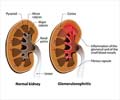
Glomerulonephritis | Nephritic | Nephrotic Syndrome - Types, Causes, Diagnosis, Treatment, Prevention
Glomerulonephritis is described as spectrum of kidney disease which occurs due to inflammation of the glomerular compartment of the kidney tissues.
Glomerulonephritis is described as spectrum of kidney disease which occurs due to inflammation of the glomerular compartment of the kidney tissues.
Source-Newswise
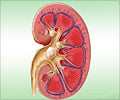
Kidney Stones in children - Can Children Get Kidney Stones?
Increase in salt concentration in the urine results in precipitation of crystals and these lead to formation of kidney stones. Drinking a lot of water can prevent kidney stones.
Increase in salt concentration in the urine results in precipitation of crystals and these lead to formation of kidney stones. Drinking a lot of water can prevent kidney stones.

Quiz on Kidney
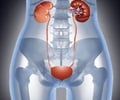
The kidneys are two bean-shaped organs, each about the size of a fist, and are located just below the rib cage, one on each side of your spine.
Healthy kidneys filter about half a cup of blood every minute, removing wastes and extra water to make urine. The urine flows from the kidneys to the bladder through two thin tubes of muscle called ureters, one on each side of your bladder. The bladder stores urine. The kidneys, ureters, and bladder are partof the urinary tract.
kidneys remove wastes and extra fluid from your body. Kidneys also remove acid that is produced by the cells of your body and maintain a healthy balance of water, salts, and minerals-such as sodium, calcium, phosphorus and potassium-in your blood ().
Without this balance, nerves, muscles, and other tissues in the body may not work normally.
Kidneys also make hormones that help
The kidneys are two bean-shaped organs, each about the size of a fist, and are located just below the rib cage, one on each side of your spine.
Healthy kidneys filter about half a cup of blood every minute, removing wastes and extra water to make urine. The urine flows from the kidneys to the bladder through two thin tubes of muscle called ureters, one on each side of your bladder. The bladder stores urine. The kidneys, ureters, and bladder are partof the urinary tract.
kidneys remove wastes and extra fluid from your body. Kidneys also remove acid that is produced by the cells of your body and maintain a healthy balance of water, salts, and minerals-such as sodium, calcium, phosphorus and potassium-in your blood ().
Without this balance, nerves, muscles, and other tissues in the body may not work normally.
Kidneys also make hormones that help
- Control your blood pressure
- Make red blood cells
- Keep your bones strong and healthy
 Email
Email