MEDINDIA
 English
 हिन्दी
 Español
 français
 中文
中文
Even elite athletes aren’t safe from sleep apnea—new research exposes a hidden health challenge among young sportswomen.
Prevalence of poor sleep quality, sleepiness and obstructive sleep apnoea risk factors in athletes
Go to source).

Watch Out: Obstructive Sleep Apnea can Make Depression Treatment Ineffective
Depression treatment can be less effective or ineffective due to obstructive sleep apnea (OSA), reveals a new study.
Depression treatment can be less effective or ineffective due to obstructive sleep apnea (OSA), reveals a new study.
TOP INSIGHT

Did You Know?
Sleep apnea isn’t just stealing rest—it may cause cardiovascular risks for young female athletes.
#medindia #sleepapnea #femaleathlete #hearthealth #hiddenrisk
Sleepy But Strong? The Silent Struggles of Fit Females
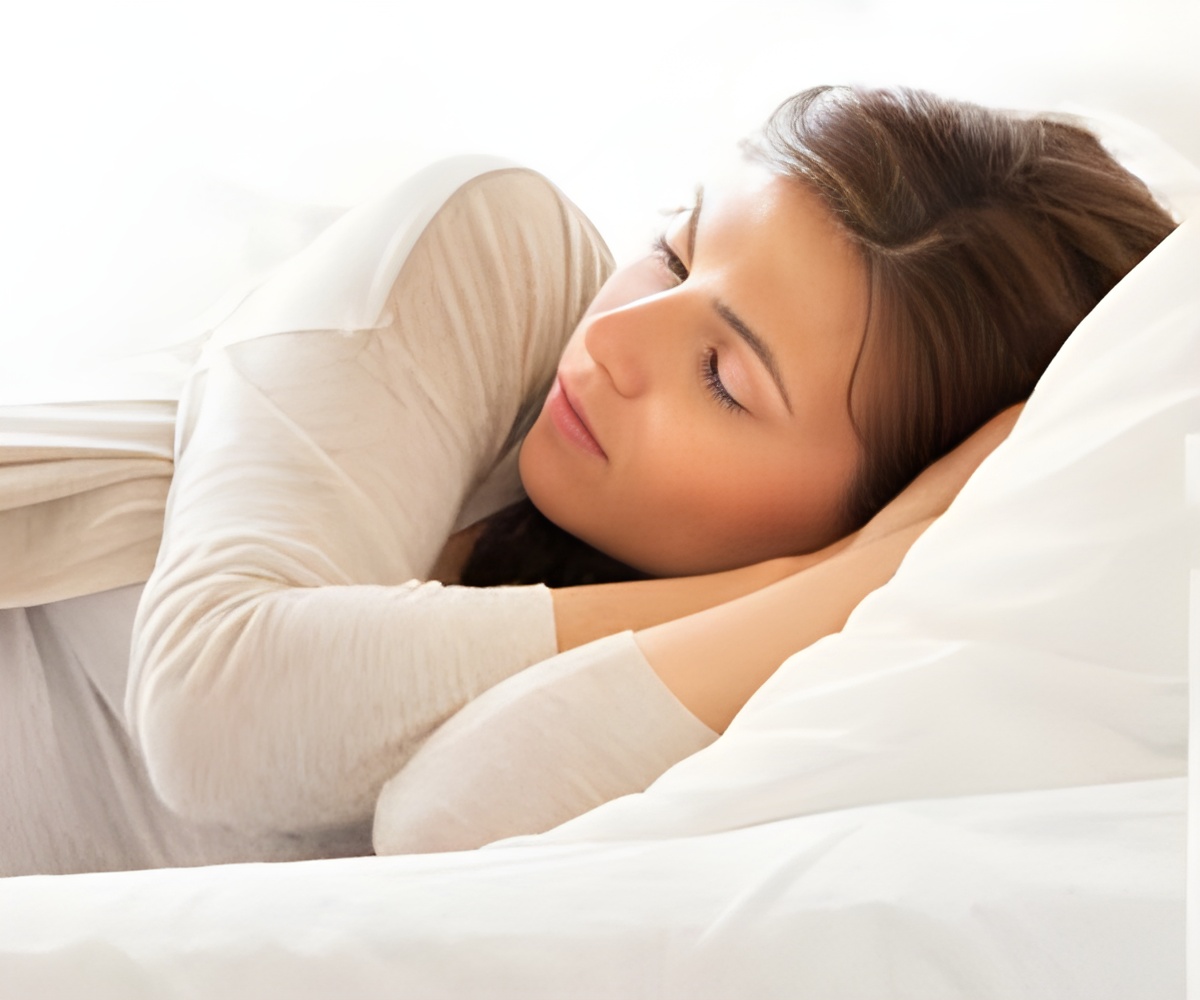
Even with strict schedules and fitness routines, many female athletes don’t feel refreshed after a full night’s sleep. Loud snoring, gasping for air, or waking up tired aren’t just random issues—they may be signs of obstructive sleep apnea (OSA). Sadly, these problems often go unnoticed because we don’t expect athletes to have sleep issues.
Sleep Apnea: A New Cause Linked to Dementia
Sleep apnea has the potential to cause Dementia including Alzheimer’s disease and Parkinson’s disease.
Sleep apnea has the potential to cause Dementia including Alzheimer’s disease and Parkinson’s disease.
Sleep Apnea’s Hidden Impact
Obstructive sleep apnoea (OSA) isn’t just about bad sleep—it can lead to serious heart problems like high blood pressure, irregular heartbeat, and even stroke. Athletes with mild sleep apnea had stiffer arteries, a sign their heart health may be at risk. This shows that untreated sleep issues can quietly harm even the fittest hearts, and early diagnosis is key to long-term health.
Stroke Chances are Higher in Bathroom: Know How to Prevent Them
Discover why strokes often occur in bathrooms and learn crucial prevention tips for a safer bathing experience.
Discover why strokes often occur in bathrooms and learn crucial prevention tips for a safer bathing experience.
Not Just Tired— Totally Exhausted
A separate study with rugby and cricket players found that half of them were poor sleepers, and 28% felt extremely sleepy during the day. Imagine being that tired during training or matches! Many also said they snore or had episodes of stopped breathing at night. These results tell us that being an athlete doesn't guarantee good sleep—in fact, their busy lives might be making it worse.
Snoring & Sleep Apnoea Now Reduced Using This Face Mask
Face mask can improve energy levels and vitality in people who suffer from the condition sleep apnoea, which is associated with snoring. This innovation helps us combat the complications caused by sleep apnoea.
Face mask can improve energy levels and vitality in people who suffer from the condition sleep apnoea, which is associated with snoring. This innovation helps us combat the complications caused by sleep apnoea.
Brains, Bodies & Burnout: Why Sleep Needs a Game Plan
When athletes don’t sleep well, it’s not just their bodies that suffer—their focus, mood, and performance drop too. Coaches and trainers need to look out for subtle signs like poor concentration, low energy, or irritability. With better sleep hygiene, smarter routines, and awareness of warning signs, we can help athletes perform better—not just in games, but in life too.From Snore to Score, What Comes Next?
The studies suggest it’s time for action. We need larger studies across more universities, comparing men and women, and testing if early treatment can lower long-term heart risks. Tools like CPAP machines, sleep education, and simple lifestyle changes could make a big difference. Because spotting sleep apnea early might not just save energy—it could save lives.References:
- Prevalence of poor sleep quality, sleepiness and obstructive sleep apnoea risk factors in athletes - (https://pubmed.ncbi.nlm.nih.gov/26697921/)
Source-American College of Cardiology
 Email
Email