MEDINDIA
 English
 हिन्दी
 Español
 français
 中文
中文
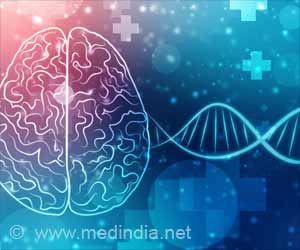
Pregnancy nutrition might hold the key to preventing high blood pressure later in life.
The Science Behind the Link Between Nutrition and Hypertension
Essential metals like manganese, selenium, magnesium, and copper help protect the body with their anti-oxidation and anti-inflammatory properties, which may lower the risk of heart disease. Previous studies have linked higher manganese levels to a reduced risk of preeclampsia (high blood pressure during pregnancy). However, it is still unclear whether these metals can also lower the chances of developing high blood pressure later in life. The long-term exposure to harmful metals like lead, cadmium, and arsenic is linked to a higher risk of heart disease. According to Dr. Mingyu Zhang, an epidemiologist at Harvard Medical School, research shows that metal exposure affects heart health, particularly blood pressure. This study aims to explore how essential metals during pregnancy influence hypertension risk in midlife.
Pregnancy and Diet/Diet during Pregnancy – Healthy Foods, Foods to Avoid
Pregnant women should pay special attention to their diet. The diet before and during pregnancy should be rich in calories, proteins, vitamins and minerals.
Pregnant women should pay special attention to their diet. The diet before and during pregnancy should be rich in calories, proteins, vitamins and minerals.
TOP INSIGHT

Did You Know?
Minerals in your blood during pregnancy may impact your heart health decades later? #hypertensionprevention #maternalwellness #medindia
What the Study Found & Future Implications
Researchers analyzed data from Project Viva, a long-term study that began in 1999, tracking nearly 500 pregnant women in eastern Massachusetts. Blood samples were collected during early pregnancy (1999–2002) to measure levels of essential minerals (copper, manganese, magnesium, selenium, zinc), non-essential metals (lead, cadmium, arsenic, etc.), folate, and vitamin B12.After about 20 years, researchers followed up with the women, now around 51 years old (2017–2021), to check their blood pressure. They found that higher levels of copper and manganese during pregnancy lowered the risk of high blood pressure in midlife by 25% and 20%, respectively. Higher vitamin B12 levels were linked to lower blood pressure as well.The study also showed that a combination of copper, manganese, selenium, and zinc helped reduce blood pressure, but non-essential metals had no major effect. Researchers noted that while the metals were measured, their sources (food or supplements) were not tracked. More research is needed to determine the ideal intake of these minerals to help prevent hypertension later in life.Source-Eurekalert

How Mangoes Can Boost Pregnancy Nutrition?
Discover how incorporating mangoes into the diet of women of childbearing age significantly enhances nutrient intake and overall diet quality.
Discover how incorporating mangoes into the diet of women of childbearing age significantly enhances nutrient intake and overall diet quality.

Can Diet During Pregnancy Influence Baby's Eating Habits?
Discover how prenatal exposure to food flavors impacts newborn taste preferences, potentially guiding healthier eating habits from birth.
Discover how prenatal exposure to food flavors impacts newborn taste preferences, potentially guiding healthier eating habits from birth.

Diet For Anemia In Pregnancy And What Foods To Avoid
A modified diet rich in Folate, Vitamin B12 and Iron is essential for the rapid rise in hemoglobin level.
A modified diet rich in Folate, Vitamin B12 and Iron is essential for the rapid rise in hemoglobin level.
 Email
Email