MEDINDIA
 English
 हिन्दी
 Español
 français
 中文
中文
Blood-based methylation markers show promise for spotting colorectal cancer early and tracking its treatment journey.

Non-invasive colorectal cancer biomarkers: HAND2 and GPM6A methylation in circulating tumour DNA
Go to source).
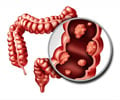
Colorectal Cancer - Types, Causes, Risk Factors, Symptoms, Diagnosis, Treatment, Prognosis & Prevention
Colorectal cancer is a cancer that starts in the colon or the rectum. Colorectal cancer is the third most common cancer in men.
Colorectal cancer is a cancer that starts in the colon or the rectum. Colorectal cancer is the third most common cancer in men.
TOP INSIGHT

Did You Know?
A simple blood test may soon detect colorectal cancer with over 92% accuracy—no surgery required.
#medindia #cancerresearch #ctdna #colorectalcancer #biomarkerbreakthrough
The role of ctDNA in cancer detection
Circulating tumour DNA(ctDNA) gives a non-invasive look at cancer. Doctors can spot molecular changes with just a simple blood test. HAND2 and GPM6A had clear methylation differences between cancer patients and healthy people. This suggests they might serve as early warning signs.
Optimizing Treatment for Locally Advanced Rectal Cancer
Discover the PROSPECT trial results for locally advanced rectal cancer, highlighting a potential paradigm shift in treatment approaches.
Discover the PROSPECT trial results for locally advanced rectal cancer, highlighting a potential paradigm shift in treatment approaches.
What Methylation Tells Us About Treatment
After treatment, methylation levels of HAND2 and GPM6A went down. This shows that these proteins can help track treatment progress. For instance, HAND2 levels fell from 55.75% to 37.98%, showing a clear response to therapy. GPM6A also fell. However, its steady link before and after treatment might reveal disease dynamics. These shifts help monitor a patient's response. They give clinicians real-time feedback.
Colorectal Cancer Screening
Colorectal screening is done using tests to detect blood in stool, colonoscopy or sigmoidoscopy ordouble contrast barium enema or CT colonography.
Colorectal screening is done using tests to detect blood in stool, colonoscopy or sigmoidoscopy ordouble contrast barium enema or CT colonography.
Diagnostic Accuracy That Stands Out
When it comes to spotting cancer early, accuracy is everything. The study’s ROC curve (Receiver Operating Characteristic curve)analysis showed that HAND2 and GPM6A together had an **Area Under the Curve(AUC) of 0.92**. This means they’re more accurate than CEA or CA19-9, which are common markers. With a dual-marker test, doctors can detect CRC with greater certainty and earlier than ever before.
Colorectal Cancer Screening with Colonoscopy
Colonoscopy is a widely used endoscopic procedure to screen individuals for colorectal cancer. It is very sensitive in detecting colorectal cancers.
Colonoscopy is a widely used endoscopic procedure to screen individuals for colorectal cancer. It is very sensitive in detecting colorectal cancers.
What the TCGA Says About Survival
Data from the Cancer Genome Atlas (TCGA) showed a troubling connection. Higher methylation of HAND2 and GPM6A linked to lower survival rates. This issue is particularly evident in rectal adenocarcinoma cases. This suggests that these markers may not just diagnose cancer but also predict patient outcomes. If validated further, these findings could help doctors identify high-risk patients early and adjust their treatment plans accordingly.Reference:
- - (https://pubmed.ncbi.nlm.nih.gov/40682031/ )
Source-National Institute of Genetic Engineering and Biotechnology
 Email
Email