MEDINDIA
 English
 हिन्दी
 Español
 français
 中文
中文
Sleep preserves the past and prepares the brain for future memories through reactivation and synaptic plasticity.
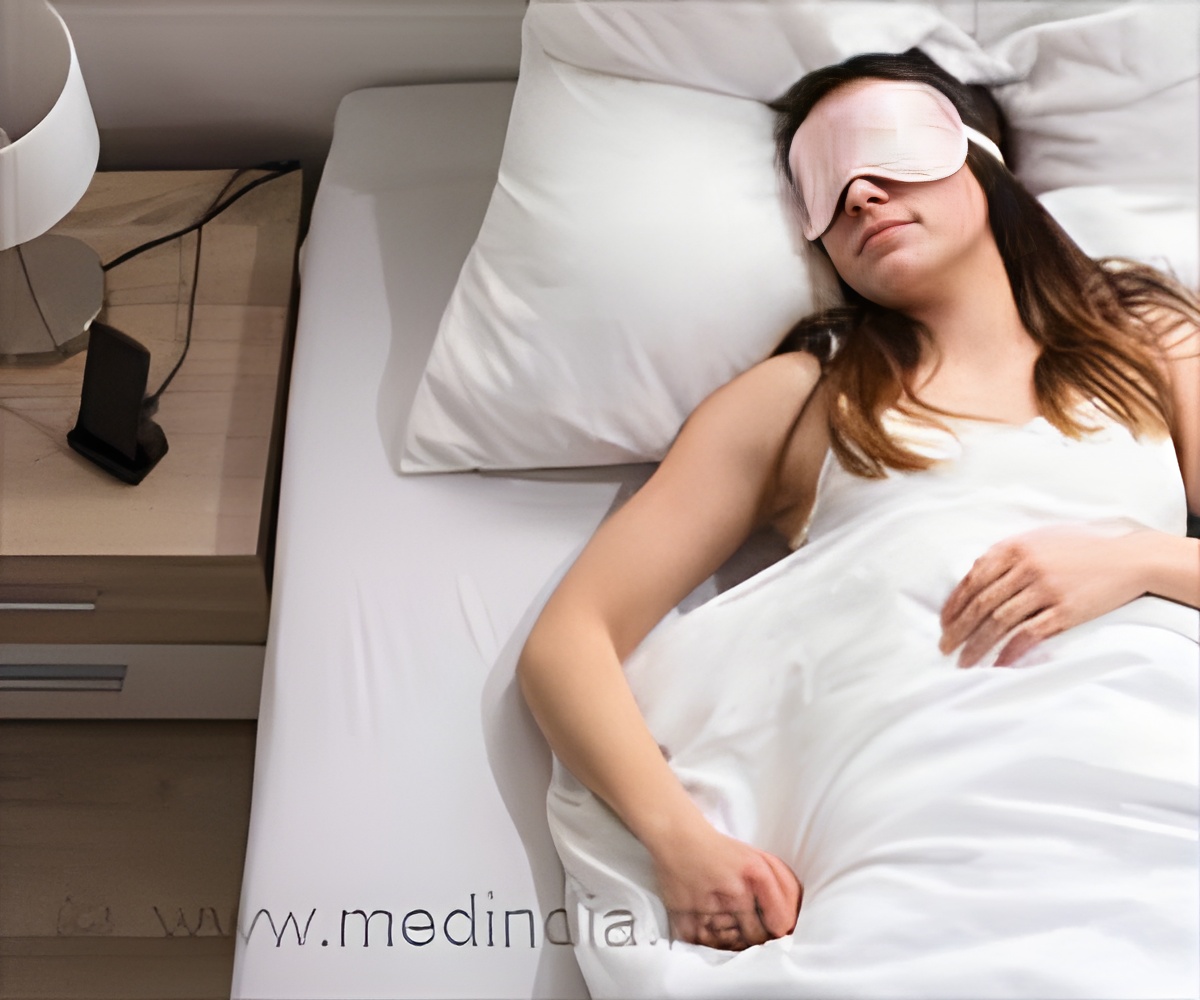
Parallel processing of past and future memories through reactivation and synaptic plasticity mechanisms during sleep
Go to source).

Sleep Disorder: Sleepwalking - Overview
Sleepwalking or “Somnambulism,” is a type of parasomnia and has medico-legal implications
Sleepwalking or “Somnambulism,” is a type of parasomnia and has medico-legal implications
TOP INSIGHT

Did You Know?
Your brain runs a memory marathon while you sleep!
#sleepmemory #medindia
Sleep - The Memory Keeper
During sleep, engrams in the brain come alive to reactivate and strengthen past memories. Important stages like NREM and REM sleep help the brain replay these memories like a movie. Scientists have shown that disrupting sleep can cause major problems in how well we remember things later. Sleep is an active brain workout, not just simple resting time. Without good sleep, our brain struggles to file experiences properly. This is why sleep is called the memory keeper of our lives!
About Sleep Disturbances
The physical, emotional and hormonal changes that occur in women during puberty, menstrual cycle, pregnancy, and menopause can cause Sleep Disturbances
The physical, emotional and hormonal changes that occur in women during puberty, menstrual cycle, pregnancy, and menopause can cause Sleep Disturbances
Preparing for the Future - The Rise of Engram-to-be Cells
Sleep not only saves memories—it also prepares new spaces for future learning. During postlearning sleep, special "engram-to-be" cells from the nonengram population start connecting and forming patterns. These future memory cells get ready to capture new knowledge the next day. This powerful preparation happens only during sleep, and not when awake. Missing sleep after learning can stop the brain from preparing properly. This makes postlearning sleep essential for future memory success!
Pros and Cons of Sleeping on the Floor
Discover the surprising truth about floor sleeping! Is it the ultimate solution for better health and wellness? Find out now.
Discover the surprising truth about floor sleeping! Is it the ultimate solution for better health and wellness? Find out now.
Two Jobs at Once - Saving the Old and Building the New
While you sleep, your brain is doing two major jobs at the same time! First, it replays old memories to make them stronger and easier to recall. Second, it builds new memory networks ready for upcoming experiences. Through amazing mechanisms like synaptic plasticity, the brain balances the past and future. This dual memory action is why sleep boosts both memory retention and creativity. Simply put, good sleep means smarter mornings and stronger memories!Reference:
- Parallel processing of past and future memories through reactivation and synaptic plasticity mechanisms during sleep- (https://www.nature.com/articles/s41467-025-58860-w)
Source-University of Toyama

Insomnia | Sleeping Difficulty - Symptom Evaluation
Insomnia may be due to physiological, psychological, physical or environmental factors. Insomnia should be treated promptly in order to improve the quality of life and prevent other health problems.
Insomnia may be due to physiological, psychological, physical or environmental factors. Insomnia should be treated promptly in order to improve the quality of life and prevent other health problems.
 Email
Email