MEDINDIA
 English
 हिन्दी
 Español
 français
 中文
中文
Astrocytes, the brain’s “star” cells, can clear amyloid plaques and preserve cognition in Alzheimer’s models.
Astrocytic Sox9 overexpression in Alzheimer’s disease mouse models promotes Aβ plaque phagocytosis and preserves cognitive function
Go to source)

Alzheimers Disease
Alzheimer''s disease is a progressive neurodegenerative disease affecting memory and thinking and making the person increasingly dependent on others.
Alzheimer''s disease is a progressive neurodegenerative disease affecting memory and thinking and making the person increasingly dependent on others.
TOP INSIGHT

#Alzheimers Breakthrough? Scientists are now focusing on #astrocytes—the brain's star-shaped support cells—as a promising target for new therapies. The goal: Reduce #amyloid burden and slow #cognitivedecline by boosting the natural waste-clearing power of these non-neuronal cells. This could change how we treat #neurodegenerative disorders! #Neuroscience #AstrocyteTherapy
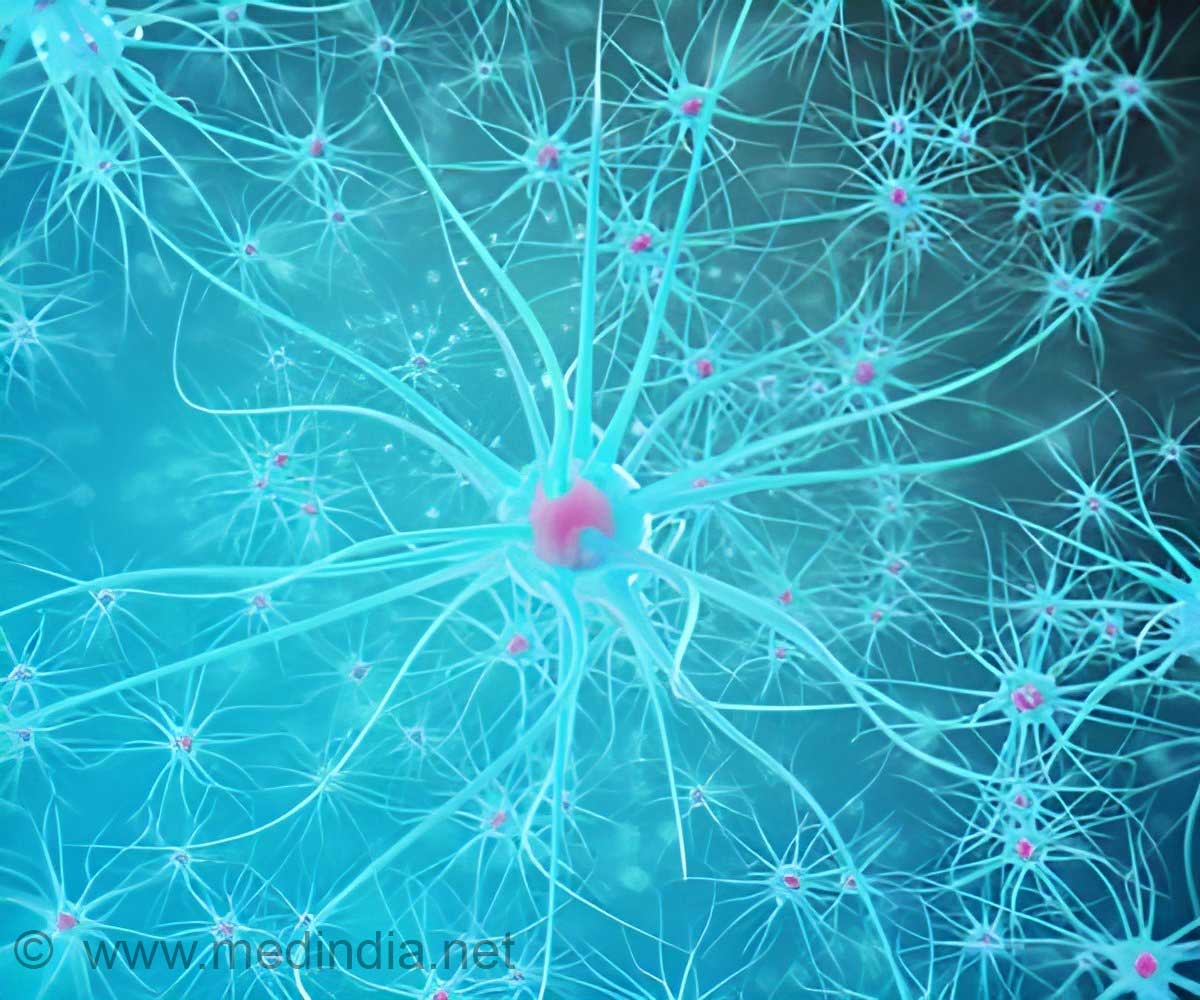
Astrocytes and Sox9: Unlocking the Brain’s Natural Plaque-Clearing Power
The process hinges on astrocytes, star-shaped support cells in the brain, which are recruited to remove the toxic amyloid deposits that accumulate in many Alzheimer’s-affected brains. By boosting the production of Sox9, a crucial protein that regulates astrocyte activity during aging, the team was able to enhance the astrocytes’ plaque-clearing abilities.This discovery highlights the potential for astrocyte-targeted therapies aimed at reducing amyloid burden and slowing cognitive decline in neurodegenerative disorders. The study, published in Nature Neuroscience, provides a promising avenue for developing novel treatments that leverage the brain’s own cellular machinery to combat Alzheimer’s disease.

Diet and Alzheimer´s Disease
Alzheimer''s begins with forgetfulness, but over time affects speech and coordination along with drastic behavioral changes. The right diet may lower your risk by 40%. So isn''t a diet change worth it?
Alzheimer''s begins with forgetfulness, but over time affects speech and coordination along with drastic behavioral changes. The right diet may lower your risk by 40%. So isn''t a diet change worth it?
Astrocytes: Key Brain Cells Shaping Memory, Communication, and Aging
“Astrocytes perform diverse tasks that are essential for normal brain function, including facilitating brain communications and memory storage. As the brain ages, astrocytes show profound functional alterations; however, the role these alterations play in aging and neurodegeneration is not yet understood,” said first author Dr. Dong-Joo Choi, who was at the Center for Cell and Gene Therapy and the Department of Neurosurgery at Baylor while he was working on this project.Choi currently is an assistant professor at the Center for Neuroimmunology and Glial Biology, Institute of Molecular Medicine at the University of Texas Health Science Center at Houston.
In the current study, researchers looked to identify mechanisms associated with astrocyte aging and Alzheimer’s disease, focusing on Sox9, as this protein is a top regulator of multiple genes in aging astrocytes.
“We manipulated the expression of the Sox9 gene to assess its role in maintaining astrocyte function in the aging brain and in Alzheimer’s disease models,” said corresponding author Dr. Benjamin Deneen, professor and Dr. Russell J. and Marian K. Blattner Chair in the Department of Neurosurgery, director of the Center for Cancer Neuroscience, a member of the Dan L Duncan Comprehensive Cancer Center at Baylor and a principal investigator at the Jan and Dan Duncan Neurological Research Institute at Texas Children’s Hospital.
“An important point of our experimental design is that we worked with mouse models of Alzheimer’s disease that had already developed cognitive impairment, such as memory deficits, and had amyloid plaques in the brain,” Choi said.
“We believe these models are more relevant to what we see in many patients with Alzheimer’s disease symptoms than other models in which these types of experiments are conducted before the plaques form.”

Quiz On Alzheimer’s Disease
Alzheimer’s disease (AD) is the most common form of dementia. Participate in this quiz to find out how much you know about this debilitating ...
Alzheimer’s disease (AD) is the most common form of dementia. Participate in this quiz to find out how much you know about this debilitating ...
Testing Sox9 in Alzheimer’s Mice: Linking Plaque Clearance to Cognition
In these Alzheimer’s mice, the team over expressed or eliminated Sox9 and then assessed the cognitive function of individual mice for six months, evaluating the animals’ ability to recognize objects or places. At the end of the experiment, the researchers measured plaque deposition in the brains.Compared to reducing Sox9 expression, increasing it had the opposite effect. Sox9 knockout accelerated plaque formation, reduced astrocyte complexity and decreased clearance of amyloid deposits.
Overexpression reversed these trends, promoting plaque clearance, while increasing the cells’ activity and complexity. Importantly, overexpression of Sox9 also preserved cognitive function in these mice, indicating that astrocytic clearance of plaques halts neurodegenerative-related cognitive decline.
“We found that increasing Sox9 expression triggered astrocytes to ingest more amyloid plaques, clearing them from the brain like a vacuum cleaner,” Deneen said.
“Most current treatments focus on neurons or try to prevent the formation of amyloid plaques. This study suggests that enhancing astrocytes’ natural ability to clean up could be just as important.”
Choi, Deneen and their colleagues caution that more research is needed to understand how Sox9 works in the human brain over time. But their work opens the door to therapies that could one day harness the power of astrocytes to fight neurodegenerative diseases.
Reference:
- Astrocytic Sox9 overexpression in Alzheimer’s disease mouse models promotes Aβ plaque phagocytosis and preserves cognitive function - (https://www.nature.com/articles/s41593-025-02115-w)
Source-Eurekalert

Caring for Alzheimers disease patients
Alzheimer's disease is a complex brain disorder that triggers the most common form of dementia. The slide show will show how patients need support and care as dementia progresses.
Alzheimer's disease is a complex brain disorder that triggers the most common form of dementia. The slide show will show how patients need support and care as dementia progresses.
 Email
Email