MEDINDIA
 English
 हिन्दी
 Español
 français
 中文
中文
The daily influences of sleep, physical activity, and emotional state may persist in our brains for weeks, impacting the brain's response during this period.
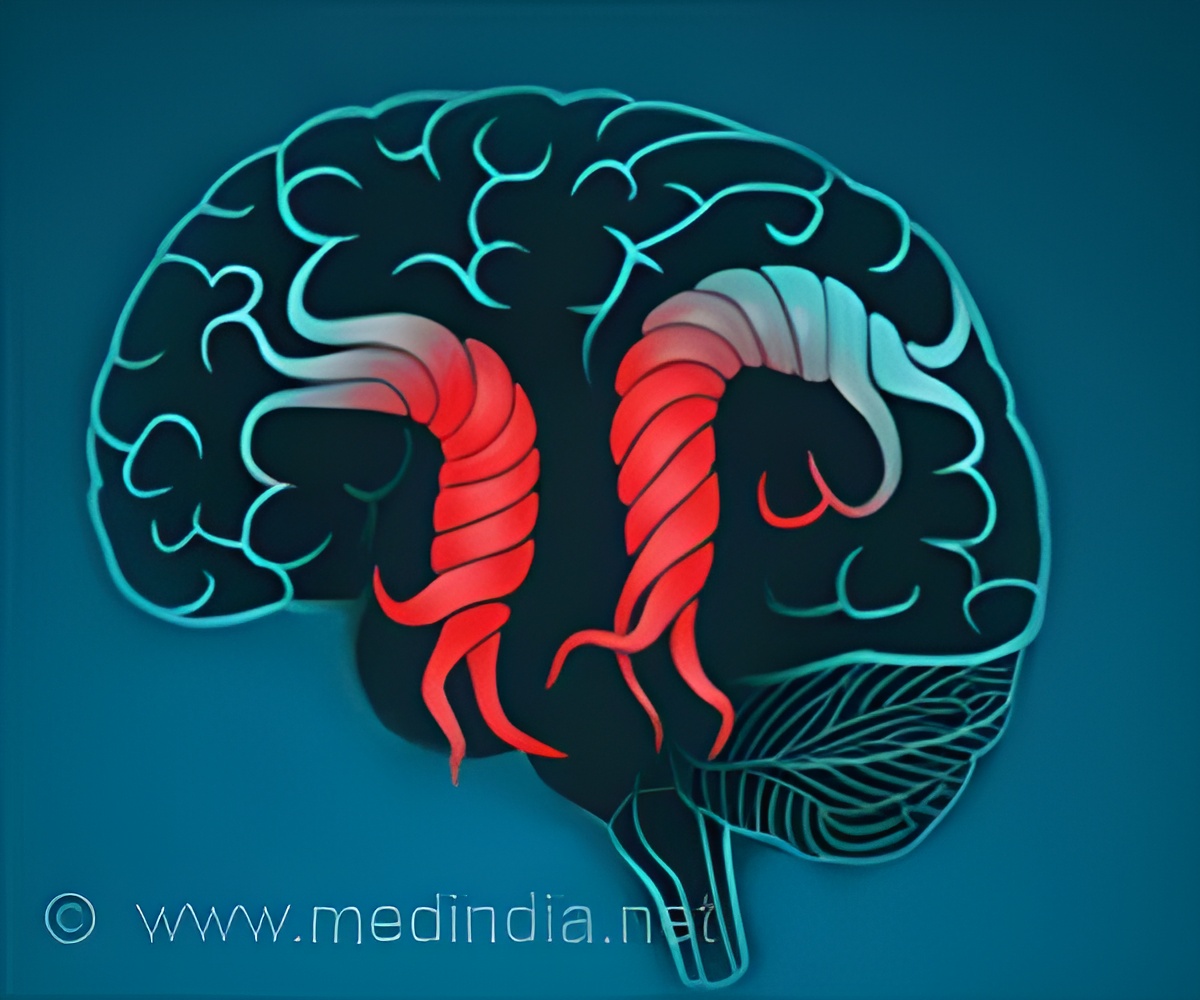
Longitudinal single-subject neuroimaging study reveals effects of daily environmental, physiological, and lifestyle factors on functional brain connectivity
Go to source). ‘We wanted to go beyond isolated events,’ says research leader Ana Triana. ‘Our behaviour and mental states are constantly shaped by our environment and experiences. Yet, we know little about the response of brain functional connectivity to environmental, physiological, and behavioral changes on different timescales, from days to months.’
TOP INSIGHT

Did You Know?
The brain is a vital organ that processes and interprets all sensory information that you experience. It is important to prioritize adequate sleep, engage in regular physical activity, and adopt other beneficial lifestyle habits for optimal brain health. #brainactivity #medindia
The research also revealed a strong link between heart rate variability — a measure of the heart's adaptability — and brain connectivity, particularly during rest. This suggests that impacts on our body's relaxation response, like stress management techniques, could shape our brain's wiring even when we are not actively concentrating on a task. Physical activity was also found to positively influence the way brain regions interact, potentially impacting memory and cognitive flexibility. Even subtle shifts in mood and heart rate left lasting imprints for up to fifteen days.
How Brain Response is Impacted Over Time by Daily Habits
The research is unique because few brain studies involve detailed monitoring over days and weeks. ‘The use of wearable technology was crucial’, says Triana. ‘Brain scans are useful tools, but a snapshot of someone lying still for half an hour can only show so much. Our brains do not work in isolation.’
Brain Mechanism of Curiosity Unraveled: Study
Human curiosity is a powerful force, as people urge to know why, what, when and how. Curiosity sometimes wins over the urge for security.
Human curiosity is a powerful force, as people urge to know why, what, when and how. Curiosity sometimes wins over the urge for security.
‘At the beginning, it was exciting and a bit stressful. Then, routine settles in and you forget,’ says Triana. Data from the devices and biweekly brain scans were complemented by qualitative data from mood surveys.

Brain Shape Controls Our Thoughts, Feelings, and Behaviour
Identifying an unappreciated relationship between brain shape and activity overturns the century-old paradigm emphasizing the importance of complex brain connectivity.
Identifying an unappreciated relationship between brain shape and activity overturns the century-old paradigm emphasizing the importance of complex brain connectivity.
Link Between Brain Activity and Physiological or Environmental Data can Improve Healthcare
The researchers hope their innovative approach will inspire future studies that combine brain data with everyday life to help personalize mental health treatment.
New Study Provides Better Understanding of Memory Formation
New model developed by scientists explains how activity of the nerve cells in the hippocampus can map the space, time and context of memory episodes.
New model developed by scientists explains how activity of the nerve cells in the hippocampus can map the space, time and context of memory episodes.
The study is also a proof-of-concept for patient research. Tracking brain changes in real-time could help detect neurological disorders early, especially mental health conditions where subtle signs might be missed.
“Linking brain activity with physiological and environmental data could revolutionize personalized healthcare, opening doors for earlier interventions and better outcomes,” says Triana.
The results will be published in PLOS Biology on October 8th.
Reference:
- Longitudinal single-subject neuroimaging study reveals effects of daily environmental, physiological, and lifestyle factors on functional brain connectivity - (https://journals.plos.org/plosbiology/article?id=10.1371/journal.pbio.3002797)
Source-Eurekalert
 Email
Email