MEDINDIA
 English
 हिन्दी
 Español
 français
 中文
中文
Scientists have discovered potential brain biomarkers of post-traumatic stress disorder (PTSD) in people with traumatic brain injury.

Post Traumatic Stress Disorder (PTSD) - Causes, Symptoms, Risk Factors, Complications, Dignosis, Treatment
Post Traumatic Stress Disorder (PTSD), is a mental condition triggered by a traumatic event. PTSD treatment includes pyschotherapy, behavior therapy and medications.
Post Traumatic Stress Disorder (PTSD), is a mental condition triggered by a traumatic event. PTSD treatment includes pyschotherapy, behavior therapy and medications.
TOP INSIGHT

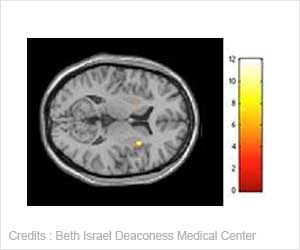
Brain imaging helps predict post-traumatic stress disorder after brain injury.
"In this study, we were able to use data from TRACK-TBI, a large longitudinal study of patients who present in the Emergency Department with TBIs serious enough to warrant CT (computed tomography) scans."
The researchers analyzed over 400 TBI patients, assessing them for PTSD at 3 and 6 months after their brain injury. At 3 months, 77 participants, or 18 percent, had likely PTSD; at 6 months, 70 participants or 16 percent did. All subjects underwent brain imaging after injury.

Quiz on Post Traumatic Stress Disorder
People with PTSD find it difficult to communicate. Take this quiz on Post-Traumatic Stress Disorder to understand the condition and help you deal with it better.
People with PTSD find it difficult to communicate. Take this quiz on Post-Traumatic Stress Disorder to understand the condition and help you deal with it better.
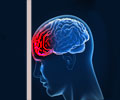
The brain regions are linked to arousal, attention, and emotional regulation. The structural imaging did not predict PTSD at 6 months.
Early Intervention after Traumatic Brain Injury More Likely to Reduce Epilepsy Risk
Early intervention after traumatic brain injury can cut down the risk of developing epilepsy, reveals a new study.
Early intervention after traumatic brain injury can cut down the risk of developing epilepsy, reveals a new study.
Although the biomarker of brain volume differences is not yet robust enough to provide clinical guidance, Dr. Stein said, "it does pave the way for future studies to look even more closely at how these brain regions may contribute to (or protect against) mental health problems such as PTSD."

Brain Depression
Interactive section of Medindia provides information about chemistry of Brain depression
Interactive section of Medindia provides information about chemistry of Brain depression
 Email
Email