MEDINDIA
 English
 हिन्दी
 Español
 français
 中文
中文
A growth factor protein important for the formation of new blood vessels in the lung indicates pulmonary arterial hypertension, making diagnosis easier.

![Pulmonary Arterial Hypertension [PAH] - Symptoms & Signs - Causes - Diagnosis - Treatment](https://images.medindia.net/patientinfo/120_100/pulmonary-arterial-hypertension-pah.jpg "Pulmonary Arterial Hypertension [PAH] - Symptoms & Signs - Causes - Diagnosis - Treatment")
Pulmonary Arterial Hypertension [PAH] - Symptoms & Signs - Causes - Diagnosis - Treatment
Pulmonary arterial hypertension can be a serious condition affecting the heart. It is defined as mean pulmonary arterial pressure >25mm Hg at rest and >30mm Hg on exertion.
Pulmonary arterial hypertension can be a serious condition affecting the heart. It is defined as mean pulmonary arterial pressure >25mm Hg at rest and >30mm Hg on exertion.
TOP INSIGHT

The diagnosis for pulmonary artery hypertension is uncertain and so the new test to measure levels of hematoma derived growth factor in blood was developed.
High blood pressure in the arteries that lead from the heart to the lungs is distinct from the most common forms of high blood pressure and can be difficult to diagnose, with shortness of breath frequently being the first or only symptom.
Pulmonary hypertension is more common in women. Unlike many other forms of high blood pressure, the cause of pulmonary arterial hypertension isn't always clear, but it can be genetic and/or associated with HIV and other infections, congenital heart disease, connective tissue disorders and living at high altitude. It often appears in otherwise healthy young people.
Recent Approaches in Hypertension and Diabetes
Hypertension is defined as blood pressure is greater than equal to 140/90 mm Hg. Diabetes mellitus is a group of metabolic disorders characterized by increased blood sugar.
Hypertension is defined as blood pressure is greater than equal to 140/90 mm Hg. Diabetes mellitus is a group of metabolic disorders characterized by increased blood sugar.
Hoping to change the uncertainty surrounding diagnosis and therapy, Everett and his colleagues developed a new test to measure levels of HDGF in blood, which, Everett says, is a growth factor protein important for the formation of new blood vessels in the lung - a process known to readily occur in the lungs of patients with pulmonary hypertension.

Five Healthy Lifestyle Modifications that Lower Hypertension Risk
Lifestyle modifications could help in lowering risk of cardiovascular diseases. Find out what possible changes can help you maintain healthy heart.
Lifestyle modifications could help in lowering risk of cardiovascular diseases. Find out what possible changes can help you maintain healthy heart.
When the team followed up the new observation with blood tests of HDGF levels in an additional 73 patients over five years, the results were dramatic, Everett says. Patients with an HDGF level greater than 0.7 nanograms per milliliter had more extensive heart failure and walked shorter distances in a six-minute walking test.
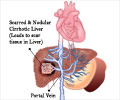
Portal Hypertension - Causes, Symptoms, Diagnosis, Treatment, Recovery
Find the facts of Portal Hypertension and TIPS including Causes, Symptoms, Diagnosis & Treatment and more information.
Find the facts of Portal Hypertension and TIPS including Causes, Symptoms, Diagnosis & Treatment and more information.
Although the biochemical details of why there is a link between pulmonary arterial hypertension and HDGF remain unknown, Everett suspects levels of the growth factor might increase to spur blood vessel healing when arteries stretch in the lungs due to pulmonary arterial hypertension. HDGF is unique to current clinical measures of pulmonary hypertension, as it does not come from the heart and reflects more specifically how the disease affects the lungs, he says.
More research is needed to reveal whether levels change as drug therapy eases symptoms during the course of a disease, whether the results hold true in children with pulmonary arterial hypertension and whether HDGF can be used to predict patients at risk of developing pulmonary arterial hypertension in the future.
Drug treatment is designed to thin the blood, relax arterial walls, and dilate or open up blood vessels. People with pulmonary arterial hypertension also can benefit from oxygen therapy and surgery to reduce pressure on the right side of the heart. Treatments are complicated and carry numerous serious side effects, Everett says, so finding measures that allow clinicians to minimize drug therapy will reduce side effects and cost.
Source-Newswise
 Email
Email