MEDINDIA
 English
 हिन्दी
 Español
 français
 中文
中文

A comprehensive review finds that black rice is rich in antioxidants, resistant starch, and beneficial compounds that may support glucose control, cholesterol regulation, brain protection, and other health benefits, although human trials remain limited.
Highlights:
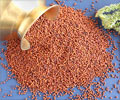
Rice feeds nearly half the world’s population and remains a staple in many regions. But not all rice is equal. Black rice, also known as forbidden, purple, or imperial rice, stands out as a grain once reserved for royalty, with a deep pigment and a nutrient profile that surpasses traditional white rice (1✔ ✔Trusted Source- Black rice is rich in antioxidants and minerals, far beyond typical white rice
- Early studies link it to better blood-sugar control, lower cholesterol and brain protection
- While human evidence is still limited, adding black rice could be a smart switch for nutrient-dense upgrades
Black rice as the emerging functional food: bioactive compounds, therapeutic potential and industrial applications
Go to source). In a recent review published in Frontiers in Nutrition, researchers evaluated black rice’s bioactive compounds, therapeutic potential, and how it could be used more widely in industrial foods.

Top 10 Health Benefits of Black Rice | Forbidden Rice
Black rice is packed with royal history and health benefits. Even though it was forbidden earlier, it is now accessible to all. Find out why it''s a top choice for health.
Black rice is packed with royal history and health benefits. Even though it was forbidden earlier, it is now accessible to all. Find out why it''s a top choice for health.
TOP INSIGHT

Did You Know?
A darker grain may brighten your health — black rice is more than just a trend. #healthyeating #blackrice #nutrition #supergrain #metabolichealth #medindia
What the Review Found
The review found that black rice bran contains more than 80% of its bioactive compounds. It contains essential amino acids, minerals (zinc, selenium, iron), B-vitamins, vitamin E, β-carotene, and numerous phenolic compounds (quercetin, ferulic acid, rutin).In terms of metabolic effects:
- Black rice shows resistant starch that slows carbohydrate digestion and improves insulin sensitivity in animal models.
- Studies in rats saw reductions in LDL (“bad”) cholesterol by ~22% after black rice bran extract supplementation.
- Some early findings suggest black rice anthocyanins may protect neurons from oxidative stress linked to Alzheimer's-type damage.

Black Rice- The Nutrient-Packed Grain for a Healthier You
What makes black rice a superfood? High in antioxidants, rich in protein, and packed with anthocyanins- this ancient grain is a powerhouse of health benefits!
What makes black rice a superfood? High in antioxidants, rich in protein, and packed with anthocyanins- this ancient grain is a powerhouse of health benefits!
Why It Matters for You
Most people default to white or brown rice, but choosing black rice offers a simple dietary upgrade: more colour, more nutrients, and possibly more protective benefits.In an age of growing metabolic disease and interest in plant-based/functional foods, black rice emerges as a promising option. It plays into two major health themes:
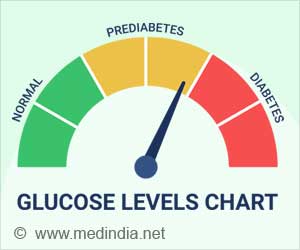
- Blood sugar & metabolism: If resistant starch and slower digestion reduce post-meal glucose spikes, this supports diabetes and metabolic-syndrome prevention.
- Brain & antioxidant health: Anthocyanins (the pigments responsible for the dark colour) act as antioxidants, potentially supporting brain health and cellular resilience.

Black Rice Bran may Help Soothe Inflammation: Study
A new study has pointed out that black rice may help alleviate inflammation.
A new study has pointed out that black rice may help alleviate inflammation.
Practical Takeaways and Tips
- If available, try swapping white rice for black rice 1–2× per week. It cooks similar to other whole grains and offers more colour variety.
- Note that processing matters: milling and polishing of black rice reduce anthocyanins and phenolics drastically. The bran is where most benefits lie.
- Since human trials are still emerging, view this as an upgrade step, not a miracle cure. Think of it as part of a broader healthy diet (vegetables, whole grains, lean proteins).
- If you have diabetes, ask your dietitian about adjusting portion size and cooking method — black rice still contains carbs, but may offer extra benefit.
- Keep an eye on your sourcing — black rice tends to cost more, and sustainability (water use, yield) is a concern noted by the authors.

Healthy Antioxidants From Black Rice as Good as the Ones in Pricey Blueberries
Health conscious consumers who hesitate at the price of fresh blueberries and blackberries, fruits renowned for high levels of healthful antioxidants, now have
Health conscious consumers who hesitate at the price of fresh blueberries and blackberries, fruits renowned for high levels of healthful antioxidants, now have
Final Takeaway
Dark, glossy, nutrient-rich — black rice may be more than just a trendy grain. While we await stronger human trials, the evidence suggests it’s a smart pick for anyone seeking to elevate a standard diet with extra colour, antioxidants and potential metabolic benefits. A small swap on your plate may send a big message to your health.Reference:
- Black rice as the emerging functional food: bioactive compounds, therapeutic potential and industrial applications - (https://www.frontiersin.org/journals/nutrition/articles/10.3389/fnut.2025.1705983/full)
Source-Medindia
 Email
Email