Congestive Heart Failure (Congestive Cardiac Failure) Current Management
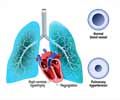
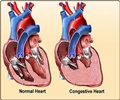
Congestive heart failure (CHF) is a condition in which the heart fails to work adequately as a pump that can deliver oxygen rich blood to the body.
Congestive heart failure (CHF) is a condition in which the heart fails to work adequately as a pump that can deliver oxygen rich blood to the body.
‘Although people with stable heart failure have similar characteristics, some have rapid disease progression while others remain stable. ’
Tweet it Now
Although people with stable heart failure have similar characteristics, some have rapid disease progression while others remain stable. The research shows that patients who have higher levels of neuropeptide Y, a molecule released by the nervous system, are ten times more likely to die within one to three years than those with lower levels of neuropeptides. About half of people who develop heart failure die within five years of their diagnosis, according to an American Heart Association report, but it hasn't been understood why some live longer than others despite receiving the same medications and medical device therapy. The researchers set out to determine whether a biomarker of the nervous system could help explain the difference.
To date, no other biomarker has been identified that can so specifically predict the risk of death for people with stable heart failure.

Transcendental Meditation can Prevent You From Chronic Heart Failure
Transcendental meditation can prevent the disease process, especially helps in preventing abnormal enlargement of the heart and also reduces the risk of developing chronic heart failure.
Transcendental meditation can prevent the disease process, especially helps in preventing abnormal enlargement of the heart and also reduces the risk of developing chronic heart failure.
The scientists also compared nerve tissue samples from patients with samples from healthy donors and determined that the neurons in the people who were at most at risk for dying from heart failure were likely releasing higher levels of neuropeptides.
Advertisement

Diabetes Puts Women at Greater Risk of Heart Failure Than Men
Diabetes increases the risk of heart failure more in women than men. Type 1 and Type 2 diabetes cause a 47 percent and 9 percent excess risk of heart failure in women, respectively.
Diabetes increases the risk of heart failure more in women than men. Type 1 and Type 2 diabetes cause a 47 percent and 9 percent excess risk of heart failure in women, respectively.
Further studies could help determine whether a patient's risk for death can be ascertained through less invasive measures, such as a simple blood draw, and whether early aggressive intervention in these people could reduce their risk of death.
Advertisement

Healthy Gut Bacteria Reduce Risk of Death in Heart Failure Patients
A diet rich in dietary fiber is associated with the growth of healthier gut bacteria, which in turn reduce the risk of death in heart failure patients or the need for a heart transplant, reveals a recent study.
A diet rich in dietary fiber is associated with the growth of healthier gut bacteria, which in turn reduce the risk of death in heart failure patients or the need for a heart transplant, reveals a recent study.