MEDINDIA
 English
 हिन्दी
 Español
 français
 中文
中文
Kids with autism spectrum disorder (ASD) were found to report increased suicidal thoughts when screened for suicidal ideation during routine medical assessments.
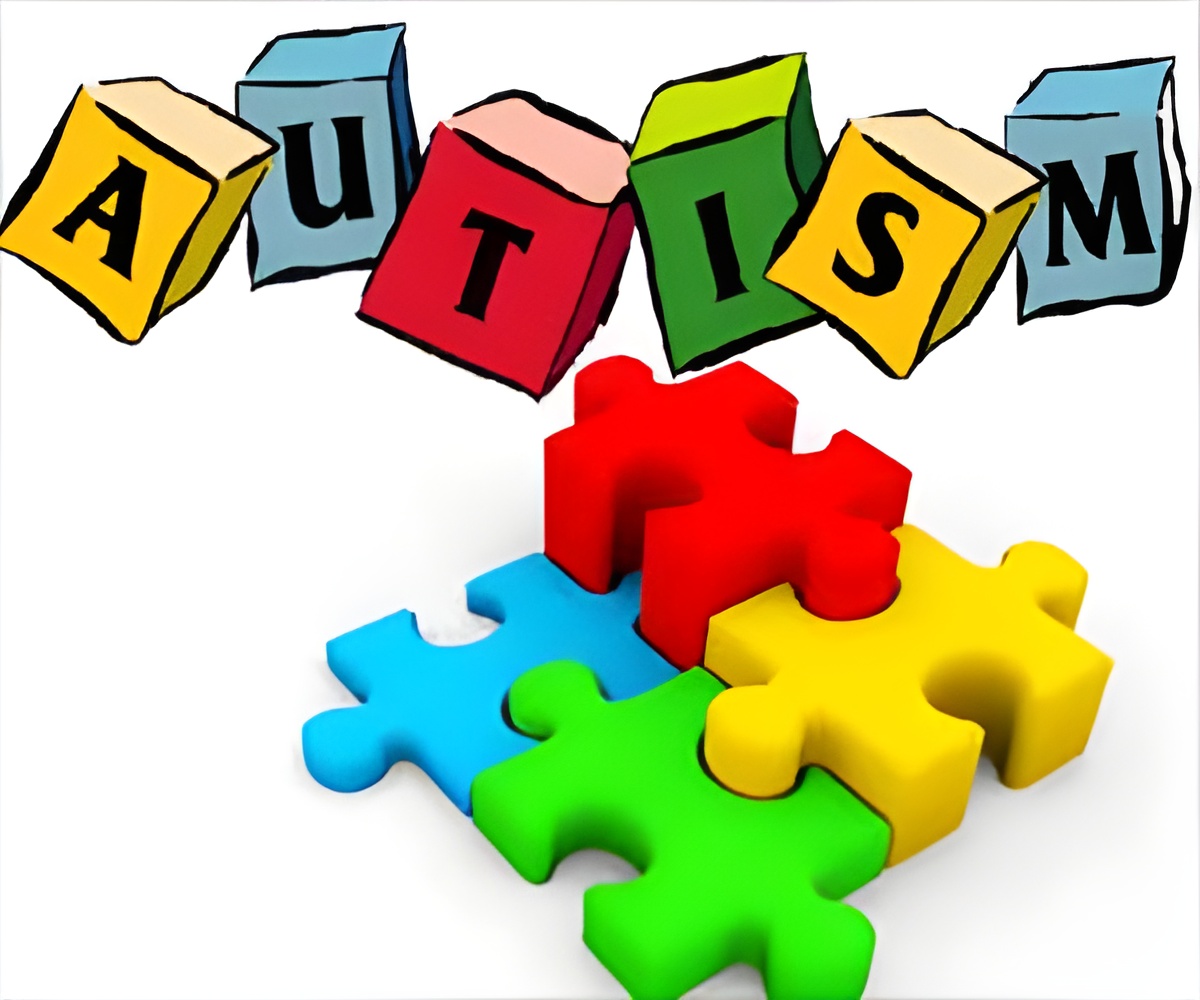

Autism Causes, Symptoms, Diagnosis, Treatment, Prognosis
Autism is a neurodevelopmental disorder typically characterized by impaired social and communication skills combined with repetitive movements.
Autism is a neurodevelopmental disorder typically characterized by impaired social and communication skills combined with repetitive movements.
TOP INSIGHT

The study highlights the importance of implementing suicide risk screenings as part of routine health care in children with neurodevelopmental disorders, and especially those with autism spectrum disorders (ASD).
Suicide is the second leading cause of death for people ages 10 to 34 in the U.S.
In 2017, Kennedy Krieger clinicians instituted a four-question suicide risk screening for all patients ages 8 to 18 as part of every medical screening at the Institute’s outpatient clinics. The suicide risk screening questions were developed by the National Institute of Mental Health.

Study Says Nurses Think About Suicide More Than Other Workers in US
In the United States nurses were found to experience suicidal thoughts in increased numbers than other general workers, revealed a team of researchers.
In the United States nurses were found to experience suicidal thoughts in increased numbers than other general workers, revealed a team of researchers.
“Many early suicide prevention efforts among children and adolescents focused on typically developing children, but we need to consider children with neurodevelopmental disabilities as well,” Rybczynski said. “Just because we don’t think a patient is capable of having suicidal thoughts, doesn’t mean they aren’t having those thoughts.”

Quiz on Autism
Autism spectrum disorder is a complex genetic disorder that impairs social, behavioral, and communication functions in humans. Autistic people may act, communicate, interact, and learn differently than most other people. ASD usually begins in childhood and can last for the rest of a person's life, though symptoms may improve over time
Autism spectrum disorder is a complex genetic disorder that impairs social, behavioral, and communication functions in humans. Autistic people may act, communicate, interact, and learn differently than most other people. ASD usually begins in childhood and can last for the rest of a person's life, though symptoms may improve over time
The next step is for researchers to further assess the validity of the study’s suicide risk screening tools in children with neurodevelopmental disabilities and to continue to advocate for routine suicide risk screenings for all children to identify those that need our help, Dr. Rybczynski said.

Cancer Patients and Survivors at Increased Suicide Risk
Cancer patients who live in low-income and rural areas are at an increased risk of suicide compared with those living in high-income and urban areas.
Cancer patients who live in low-income and rural areas are at an increased risk of suicide compared with those living in high-income and urban areas.
 Email
Email