MEDINDIA
 English
 हिन्दी
 Español
 français
 中文
中文
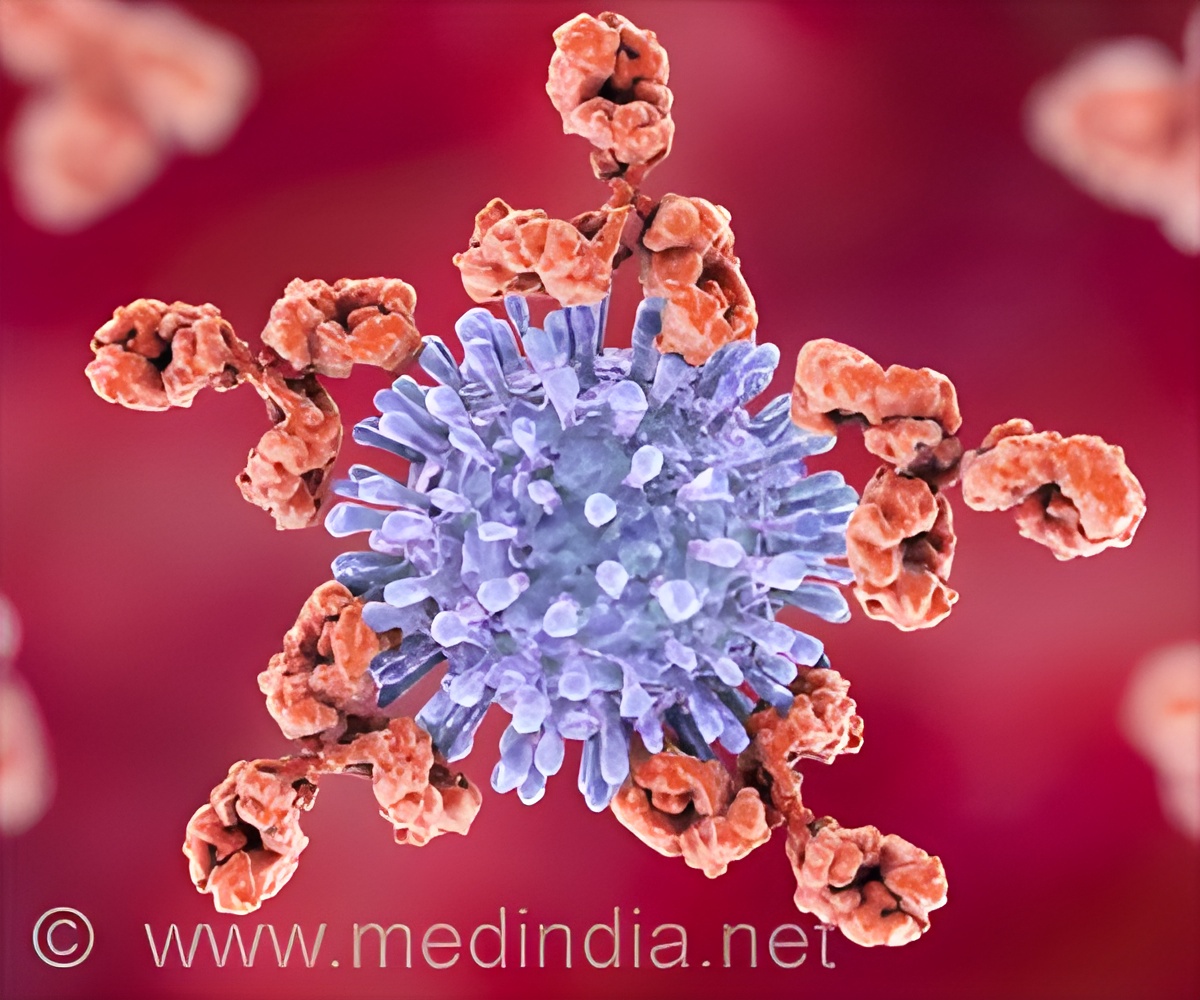
Study conducted by Brazilian researchers has demonstrated that horse hyperimmune serum containing purified antibody fragments may be an efficient approach to fight cOVID-19.
TOP INSIGHT

New research opens up the possibility for the development of passive immunization or treatment against SARS-CoV-2 infection.
Read More..
This might be a useful countermeasure against COVID-19, with an advantage of being an affordable alternative that can be produced in horse serum production facilities available worldwide,” says Professor Leda Castilho, from the Federal University of Rio de Janeiro, who coordinates the laboratory that produces the recombinant spike protein used for horse hyperimmunization.
“The main finding in our study is that the equine hyperimmune globulins antibodies developed against the spike protein of the ancestral SARS-CoV-2 had high neutralizing action against the new variants of the virus, such as the gamma strain.
The polyclonal nature has high potency, which can be modified by using a combination of mutant spike protein from different variants as antigens,” says Professor Jerson L. Silva, from the Federal University of Rio de Janeiro, and coordinator of the study.
As equine antivenom products are commonly produced in both high and low-income countries, the Brazilian strategy could be easily reproduced in any part of the world and could be rapidly tested as a therapy or passive immunization tool for COVID-19.

COVID in Children | Guidelines for Management of COVID-19 in Children
Covid-19 virus has affected many children during the second wave. Many factors play a role in COVID in children and the management of COVID in children. Therefore, it is highly essential for parents to know and understand the symptoms in children.
Covid-19 virus has affected many children during the second wave. Many factors play a role in COVID in children and the management of COVID in children. Therefore, it is highly essential for parents to know and understand the symptoms in children.
Another recent study has shown that the recombinant receptor-binding domain (RBD) of the SARS-CoV-2 S protein could stimulate antibody production in mice and equines.
After developing the horse hyperimmune F(ab’)2 concentrate, the group carried out challenge tests in hamsters, injecting the substance into the animals. The researchers evaluated the pretreatment and treatment after SARS-CoV-2 infection.
Horse serum could reduce viral load in pulmonary tissues, and improve the animal clinical conditions, as reflected by weight gain. All intervention schemes protected the animals against weight loss in the acute phase of the disease. Non-treated animals showed an increased weight loss, whereas pre-treatment resulted in no body weight reduction.
The next step of the research is to conduct a phase 1/2 clinical trial in humans. The trial protocol has already been approved by Brazilian national ethics committee, and sterile fill and finish is underway to enable quality control and batch release data to be submitted to the Brazilian regulatory agency ANVISA.
The clinical trial will investigate as outcomes all safety aspects, as well as duration of hospitalization, viral load, and progression to assisted ventilation.
Source-Medindia
 Email
Email