MEDINDIA
 English
 हिन्दी
 Español
 français
 中文
中文
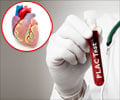
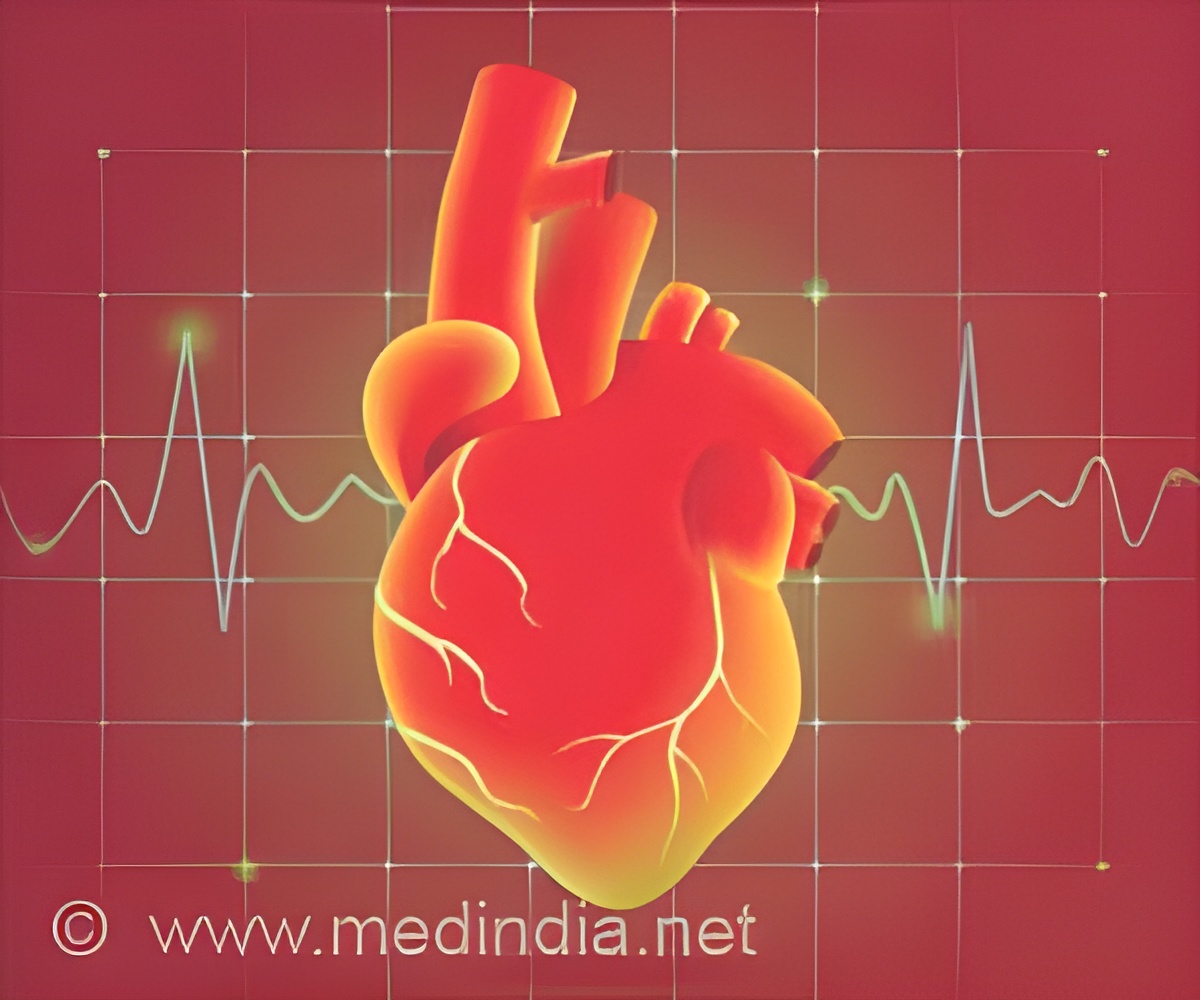
Artificial intelligence (AI) outshines doctors at predicting heart disease deaths, reveals a new study.
Coronary Heart Disease - Causes, Symptoms, Risk Factors, Diagnosis, Tretment
In coronary heart disease, blood is unable to flow through blocked arteries. The main symptom is chest pain or angina. Treatment is with medications or surgery.
In coronary heart disease, blood is unable to flow through blocked arteries. The main symptom is chest pain or angina. Treatment is with medications or surgery.
TOP INSIGHT

Artificial intelligence (AI) outperforms doctors at predicting heart disease deaths.
"It won't be long before doctors are routinely using these sorts of tools in the clinic to make better diagnoses and prognoses, which can help them decide the best ways to care for their patients," says Crick scientist Andrew Steele, first author of the paper.
"Doctors already use computer-based tools to work out whether a patient is at risk of heart disease, and machine-learning will allow more accurate models to be developed for a wider range of conditions."
Congenital Heart Disease – Septal Defects
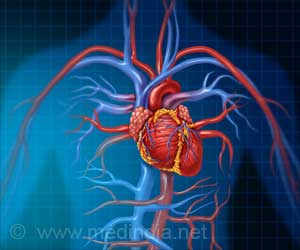
Heart diseases that are present at birth are called “ Congenital heart diseases”.
Heart diseases that are present at birth are called “ Congenital heart diseases”.
The model was designed using the electronic health data of over 80,000 patients, collected as part of routine care, and available for researchers on the CALIBER platform.

New Online Health Calculator Tool Can Predict Heart Disease Risk
New health calculator tool can accurately predict the risk of developing heart disease as well as age of heart, based on several parameters, and aims to reduce adverse heart related events.
New health calculator tool can accurately predict the risk of developing heart disease as well as age of heart, based on several parameters, and aims to reduce adverse heart related events.
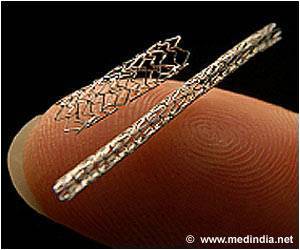
Coronary artery disease develops when the major blood vessels that supply the heart with blood, oxygen, and nutrients become damaged or narrowed by fatty deposits. Eventually restricted blood flow to the heart can lead to chest pain and shortness of breath, while a complete blockage can cause a heart attack.

Heart Disease Risk Doubles If You Sleep for 5 Hours or Less at Night
Middle-aged men who sleep five hours or less each night have twice the risk of developing a major cardiovascular problem within the next twenty years than men who sleep seven to eight hours each night
Middle-aged men who sleep five hours or less each night have twice the risk of developing a major cardiovascular problem within the next twenty years than men who sleep seven to eight hours each night
Outperforming Experts
Not only did the new data-driven model beat expert-designed models at predicting patient mortality, but it also identified new variables that doctors hadn't thought of.
"Along with factors like age and whether or not a patient smoked, our models pulled out a home visit from their GP as a good predictor of patient mortality," says Andrew.
"Home visits are not something a cardiologist might say is important in the biology of heart disease, but perhaps a good indication that the patient is too unwell to make it to the doctor themselves, and a useful variable to help the model make accurate predictions."
This study was a proof-of-principle to compare expert-designed models to machine learning approaches, but a similar model could be implemented in the clinic in the not too distant future.
"Machine learning is hugely powerful tool in medicine and has the ability to revolutionize how we deliver care to patients over the next few years," says Andrew.
Source-Eurekalert
 Email
Email