MEDINDIA
 English
 हिन्दी
 Español
 français
 中文
中文
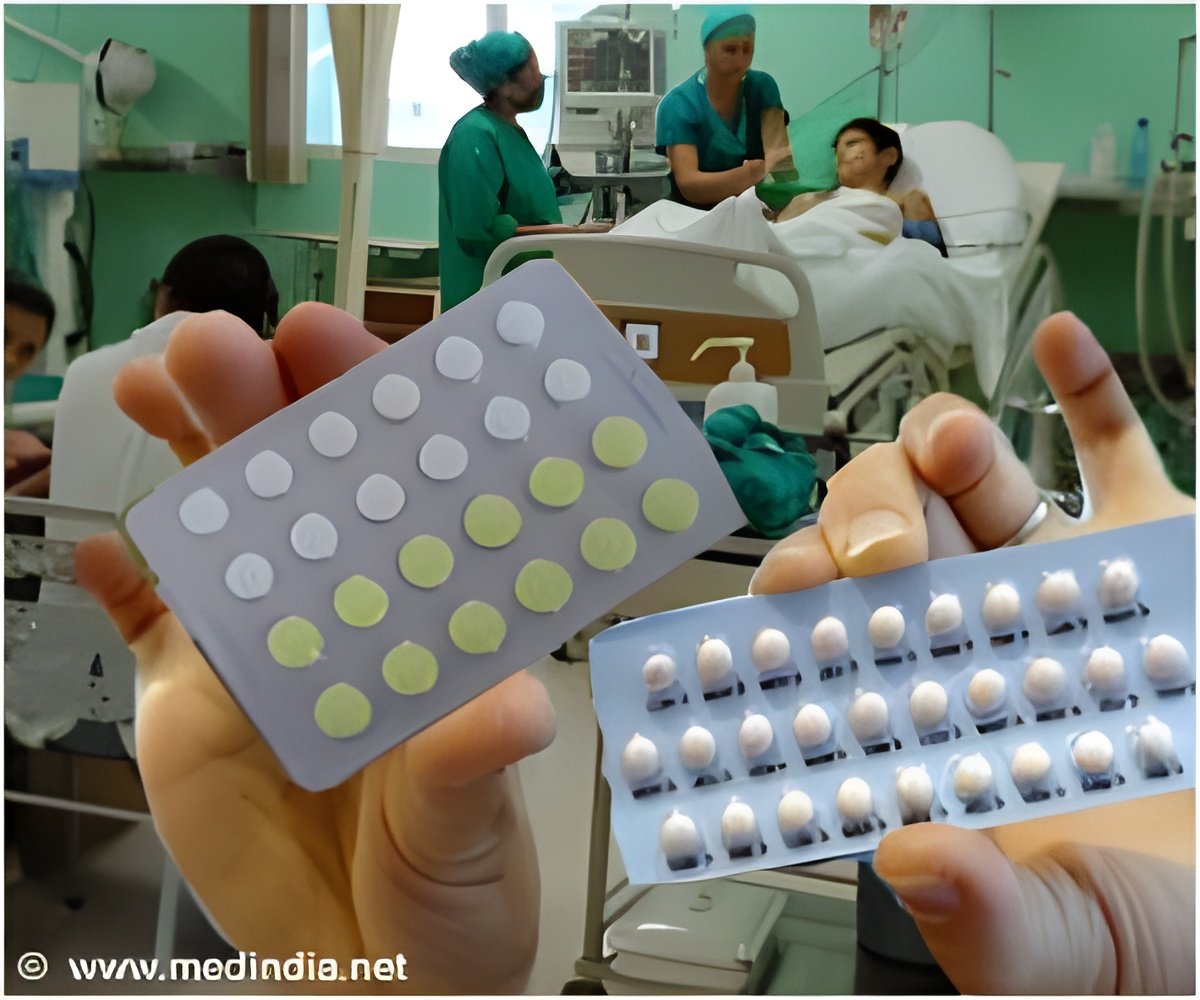
Health researchers have warned that parasites resistant to the frontline malaria drug have spread westward from southeast Asia to just short of the Indian border, a gateway to Africa.
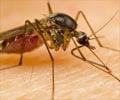
Malaria - Causes, Symptoms, Diagnosis, Prevention, Treatment
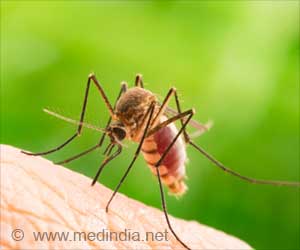
Malaria is caused by a parasite that enters blood through the bite of an infected mosquito. It is characterized by fever, vomiting, shivering, sweating and other symptoms.
Malaria is caused by a parasite that enters blood through the bite of an infected mosquito. It is characterized by fever, vomiting, shivering, sweating and other symptoms.
There have been examples in history of malaria drugs chloroquine and sulphadoxine-pyrimethamine (SP) becoming less effective due to the emergence of resistance, costing millions of lives. SP was then followed by artemisinin to treat malaria, a drug derived by Chinese scientists from a herb called sweet wormwood.
Mike Turner of the Wellcome Trust which co-funded the study said, "The new research shows that history is repeating itself with parasites resistant to artemisinin drugs, the mainstay of modern malaria treatment, now widespread in Myanmar. We are facing the imminent threat of resistance spreading into India, with thousands of lives at risk."
Malaria Waterborne - Causes Transmission Diseases Microscopic Examinations Serological Examinations
Encyclopedia section of medindia gives general information about About Malaria Causes
Encyclopedia section of medindia gives general information about About Malaria Causes
Source-Medindia
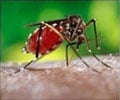
About Mosquito Diseases
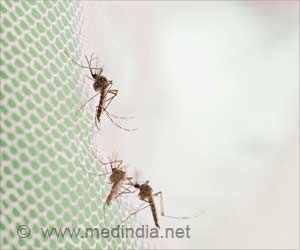
Mosquito-borne diseases, like malaria, filaria, dengue, etc are common in places conducive of mosquito breeding. Swamps, ponds and stagnated drainage provide optimal breeding ground for mosquitoes.
Mosquito-borne diseases, like malaria, filaria, dengue, etc are common in places conducive of mosquito breeding. Swamps, ponds and stagnated drainage provide optimal breeding ground for mosquitoes.
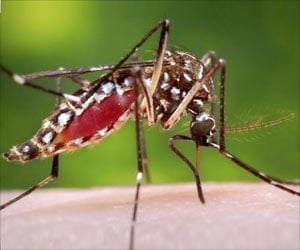
Malaria Cure may be Found in Algae
Malaria vaccine candidate has been produced from algae that prevents transmission of the malaria parasite from host to mosquito.
Malaria vaccine candidate has been produced from algae that prevents transmission of the malaria parasite from host to mosquito.
 Email
Email