MEDINDIA
 English
 हिन्दी
 Español
 français
 中文
中文
Anti-diabetic drug Acarbose has the potential to change the gut microbiome, but it is a very diet- dependent change, reveals a new study.

Diabetes Essentials: Types, Complications, Management & Treatment
Diabetes is a metabolic disease caused by insulin deficiency that leads to high blood sugar levels and several associated complications if left untreated.
Diabetes is a metabolic disease caused by insulin deficiency that leads to high blood sugar levels and several associated complications if left untreated.
TOP INSIGHT

Anti-diabetic drug Acarbose has the potential to change the gut microbiome, but it is a very diet- dependent change, reveals a new study. The study findings highlight that feeding a high dose of acarbose (400 ppm) with a high starch diet substantial changed the gut microbiota structure.
In recent years, researchers have learned that the gut microbiome of people with diabetes and otherwise healthy individuals differ. Scientists have also learned that the popular diabetes medication metformin exerts its medicinal effect, in part, by changing the gut microbiota in a manner that improves glucose tolerance. This is in addition to metformin impacting host glucose metabolism.
In her work as a protein crystallographer studying starch-degrading enzymes, Dr. Koropatkin became interested in acarbose, and set out to determine whether this diabetes drug might also spark off-target effects on the microbiota that might affect the drug's therapeutic benefits. Acarbose inhibits glucoamylase enzymes in the small intestine to prevent dietary starch digestion and thus decrease postprandial blood glucose levels. This results in an increase in dietary starch to the distal intestine where it becomes food for the gut bacterial community.

Fiber Up Your Meals
A high fiber diet and good water intake are essential for a stress free body. High-fiber foods prevent overeating and is also the key to maintaining a healthy weight.
A high fiber diet and good water intake are essential for a stress free body. High-fiber foods prevent overeating and is also the key to maintaining a healthy weight.
The researchers found that the fecal microbiota of animals consuming a low dose of acarbose (25 ppm) was not significantly different from control animals that did not receive acarbose. However, feeding a high dose of acarbose (400 ppm) with a high starch diet substantial changed the gut microbiota structure.
Diabetes Diet Plan
Diet plays a significant role in controlling diabetes. Most cases of diabetes are preventable with healthy lifestyle changes.
Diet plays a significant role in controlling diabetes. Most cases of diabetes are preventable with healthy lifestyle changes.
Once the treatment stopped, the gut composition quickly reverted to mirror the control group, suggesting that the drug does not permanently impact the gut community. The high dose of acarbose in the plant polysaccharide diet resulted in a distinct community structure with an increased representation of Bifiidobacteriaceae and Lachnospiraceae.
Fiber-rich Diet Can Reduce Non-Communicable Disease Risk
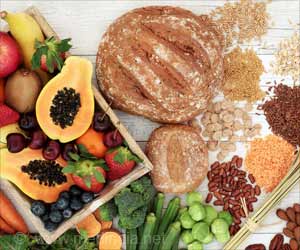
Eating a diet high in fiber can reduce the risk of developing non-communicable diseases (NCDs). So, make sure to add lots of whole grains, pulses, fruits, and vegetables to your diet to fight against NCDs.
Eating a diet high in fiber can reduce the risk of developing non-communicable diseases (NCDs). So, make sure to add lots of whole grains, pulses, fruits, and vegetables to your diet to fight against NCDs.
At present, Dr. Koropatkin said a high fiber diet is still the best recommendation for an individual with diabetes or a healthy person. "From everything we know about the gut microbiota, the best thing to do is eat a high fiber diet," said Dr. Koropatkin. "This is your best chance for keeping and collecting a microbiome that produces a lot of short chain fatty acids that regulate immune development and energy homeostasis."
Dr. Koropatkin said the short chain fatty acid butyrate, in particular, has received a lot of attention because it has anti-inflammatory and anti-tumorogenic effects. "Any therapy that could potentially increase butyrate production is worth considering when we think about ways to curb intestinal and systemic inflammation," said Dr. Koropatkin.
Source-Eurekalert
 Email
Email