MEDINDIA
 English
 हिन्दी
 Español
 français
 中文
中文
Almonds may lower oxidative stress by reducing key damage markers, but the right dose is still under study.
Highlights:
Reactive oxygen species (ROS) are one of the main drivers of oxidative stress, which plays a role in aging, chronic inflammation, and many diseases. Malondialdehyde (MDA) and oxidized LDL are the key markers of oxidative damage to lipids and proteins. Almonds have been shown to reduce these key oxidative stress markers (1✔ ✔Trusted Source- Almonds lower the oxidative stress marker MDA, but not oxidized LDL
- Higher doses (≥60 g/day) show greater protective effects
- Excess intake may cause digestive issues, allergies, or kidney concerns
Effects of almond intake on oxidative stress parameters: A systematic review and meta-analysis of clinical trials
Go to source).

Almonds for Healthy Daily Life
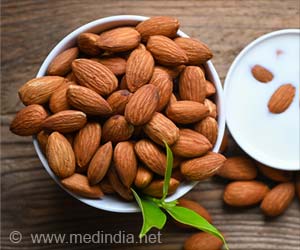
Almonds are an excellent option for snacking. Just a handful of almonds everyday can improve memory, immune system and nourishes skin and hair.
Almonds are an excellent option for snacking. Just a handful of almonds everyday can improve memory, immune system and nourishes skin and hair.
TOP INSIGHT

Did You Know?
Eating 60 g of #almonds daily can lower #oxidativestress markers linked to DNA and fat damage! #nutsbenefits #brainhealth #nutallergy #nutrition #medindia
Almonds Help Reduce Oxidative Stress
With about seven RCTs with about 424 participants, the study was performed. All the participants were measured for MDA and oxidized LDL after consuming almonds. The almond interventions varied in dose, ranging from 5 to 168 grams daily, and lasted between four and 24 weeks.Eating almonds lowered malondialdehyde (MDA), showing reduced fat oxidation in the body. However, almonds did not have a clear effect on oxidized LDL. The results were consistent across studies, with no evidence of publication bias.
Eating Almonds Daily Boosts Exercise Recovery
Eating about 57g of almonds post exercise can increase the level of healthy fats in the body and aid recovery.
Eating about 57g of almonds post exercise can increase the level of healthy fats in the body and aid recovery.
How Are They Effective?
Antioxidants, especially vitamin E and polyphenols, are abundant in nuts. Because of these compounds, nuts can help prevent chronic illnesses by reducing oxidative stress and inflammation.Almonds' antioxidant potential is crucial in lowering the generation of free radicals, which in turn may subsequently lower MDA levels.
A variety of cellular and gene expression mechanisms have also been discovered to explain how almonds regulate lipid metabolism and inhibit lipid oxidation. Additionally, almonds are a good source of unsaturated fatty acids, which are beneficial for lowering oxidative stress and inflammation.
Interestingly, almond consumption was linked to a small but significant decrease in uric acid levels. Researchers suggest this may be due to the inhibition of xanthine oxidase activity, a key source of uric acid and ROS.

Almonds Have Excellent Antioxidant Benefits
Scientists have shown a daily intake of almonds could significantly lower levels of two biomarkers for oxidative stress in people with high cholesterol.
Scientists have shown a daily intake of almonds could significantly lower levels of two biomarkers for oxidative stress in people with high cholesterol.
How Much Is Efficient?
Almonds, according to the study, can help in reducing oxidative stress, but the point is how many of them must be consumed in order to yield this effect.A moderate consumption of almonds may not be helpful. Smaller amounts did not make much of a difference, but supplementing with 60 grams or higher (~2 large handfuls) led to significant reductions in some key blood biomarkers, particularly ones that reflect cellular damage (MDA and 8-hydroxy-2'-deoxyguanosine, an oxidative DNA damage biomarker).
Moreover, such findings could be connected with the level of oxidative stress markers at the baseline, and changes in other individuals with a higher oxidative stress level could vary.

Why Green Almonds Should Be Your Go-To Snack This Monsoon
Why are green almonds essential for your monsoon health? Packed with nutrients, green almonds boost immunity, digestion, heart health, and more.
Why are green almonds essential for your monsoon health? Packed with nutrients, green almonds boost immunity, digestion, heart health, and more.
The Downside of Almonds
Overconsumption of almonds can cause negative effects like gastrointestinal problems, allergies, and nausea. People who are susceptible to kidney stones should also watch out, as almonds contain a lot of oxalates.Although study results concerning oxidative stress suggest that almonds may help counter it, more studies are necessary to understand their impact and the optimal dosage.
Reference:
- Effects of almond intake on oxidative stress parameters: A systematic review and meta-analysis of clinical trials - (https://pubmed.ncbi.nlm.nih.gov/36842635/)
Source-Medindia
 Email
Email