Colo-rectal Cancer Management - Glossary
Anus- The opening of the rectum to the outside of the body.Biopsy- The removal of a sample of tissue for the purpose of diagnosis.
Cancer- A disease in which cells grow out of control. Cancer cells can invade nearby tissue and spread to other parts of the body.
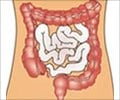
Colon- The part of the large intestine that runs from the cecum to the rectum as a long hollow tube that serves to remove water from digested food and let the remaining material, solid waste called stool , move through it to the rectum and leave the body through the anus.
Colonoscope- A flexible, lighted instrument with a built-in tiny camera used to view the inside of the entire colon and rectum.
Colorectal- Related to the colon and/or rectum.
Constipation- Infrequent bowel ovements.
Diarrhea- A term used to describe unusually frequent or unusually liquid bowel movements.
Fecal occult blood test- A test to check for hidden blood in stool. Fecal refers to “stool “and Occult means “hidden”. Sometimes called "F.O.B.T."
Genetic counseling- An educational counseling process for individuals and families who have a genetic disease or who are at risk for such a disease. Genetic counseling is designed to provide patients and their families with information about their condition and help them make informed decisions.
Advertisement
Genetic testing- Tests done for clinical genetic purposes. Genetic tests may be done for diverse purposes pertaining to clinical genetics, including the diagnosis of genetic disease in children and adults; the identification of future disease risks; the prediction of drug responses; and the detection of risks of disease to future children.
Gastroenterologist- A doctor who specializes in diagnosing and treating disorders of the digestive system (which includes the esophagus, stomach, pancreas, intestines, and liver).
Screening test- Tests used to check, or screen, for disease when there are no symptoms. Screening tests for colorectal cancer include: fecal occult blood test, flexible sigmoidoscopy, colonoscopy, and double contrast barium enema. (When a test is performed to find out why symptoms exist, it is called a "diagnostic" test.)