MEDINDIA
 English
 हिन्दी
 Español
 français
 中文
中文
Without additional investment, 11 million children are expected to die from cancer between now and 2050, reports a new study.
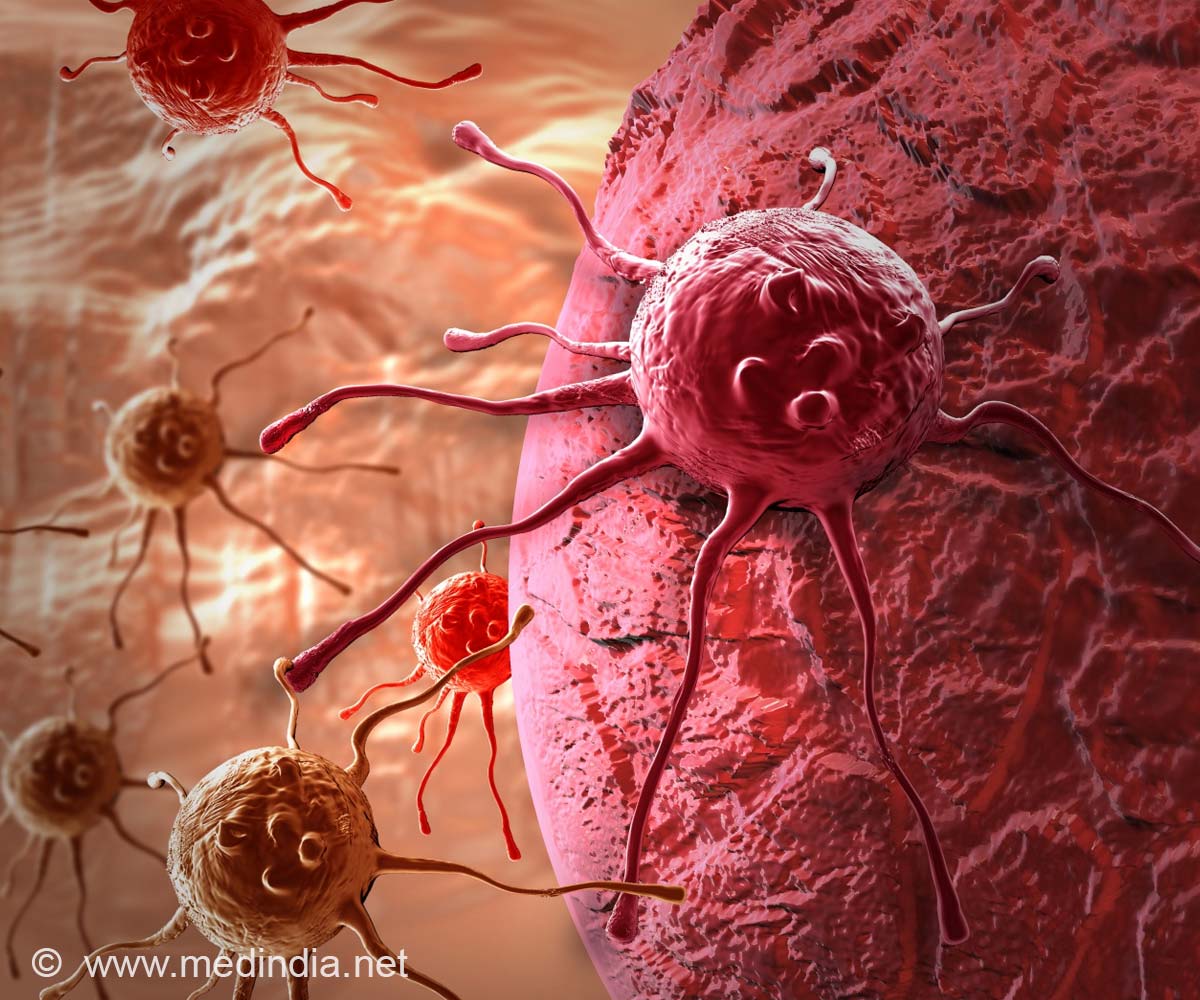

Childhood Cancer - Types, Causes, Symptoms, Diagnosis, Complication & Prevention
Childhood or pediatric cancers occur in children less than 15 years of age. They are rare and differ from adult tumors in their location and behaviour.
Childhood or pediatric cancers occur in children less than 15 years of age. They are rare and differ from adult tumors in their location and behaviour.
TOP INSIGHT

Improving childhood cancer outcomes will save millions of lives and generate US$2 trillion in economic benefits.
Read More..
"For too long, there has been a widespread misconception that caring for children with cancer in low- and middle-income countries (LMICs) is expensive, unattainable, and inappropriate because of competing health priorities. Nothing could be further from the truth", says Professor Rifat Atun from Harvard T.H. Chan School of Public Health, USA, Co-chair of the Commission.
He continues: "This report provides compelling evidence that improving outcomes for children with cancer is both feasible and highly cost-effective investment for all countries rich and poor alike. Expanding access to achievable diagnostics, treatment, and supportive care, alongside strengthening health systems more widely, could prevent more than 6 million child deaths and bring almost US$2 trillion in economic benefits over the next 30 years. The time is right for a global push to expand coverage of care for children with cancer."
International Childhood Cancer Day - Even One Child�s Death Is Not Acceptable
International Childhood Cancer Day is observed globally on the 15th of February to raise awareness about childhood cancer, support children and their families battling cancer and fight for equal access to treatment for all.
International Childhood Cancer Day is observed globally on the 15th of February to raise awareness about childhood cancer, support children and their families battling cancer and fight for equal access to treatment for all.
Although recent decades have seen unprecedented progress in diagnosis, treatment, and supportive care, and many childhood cancers are now curable, striking inequalities in financing and access to care have resulted in worldwide disparities in the survival of children with cancer. Around 80% of children diagnosed with cancer in high-income countries will live for more than five years, yet fewer than 30% of children with cancer in LMICs have the same chance of survival, falling to just 8% in eastern Africa.

Genetic Profiling Predicts Breast Cancer Risk in Childhood Cancer Survivors
Genetic profiling can help identify female childhood cancer survivors at risk of developing breast cancer at a later age. Early identification of these cases can help develop suitable preventive strategies.
Genetic profiling can help identify female childhood cancer survivors at risk of developing breast cancer at a later age. Early identification of these cases can help develop suitable preventive strategies.
Modeling the true burden of childhood cancer

New Tool Helps Identify Childhood Cancer Genes
A new computational algorithm called iExCN has been developed that helps predict cancer genes based on genome-wide copy-number and gene expression data
A new computational algorithm called iExCN has been developed that helps predict cancer genes based on genome-wide copy-number and gene expression data
Without additional investment to improve access to health-care services and cancer treatment, around 13.7 million children are expected to develop cancer worldwide between 2020 and 2050. Over 10 million of these cases will be in LMICs, and around 939,000 in high-income countries (table 5). Of these, 6.1 million cases (45%) will be left undiagnosed and untreated. This is particularly true in South Asia and sub-Saharan Africa, where one in two new cases of cancer will be missed.
"Health systems are ill-prepared to meet this unprecedented challenge, particularly in low- and middle-income countries where treatment for pediatric cancer is often managed through charitable partners," says Dr. Agnes Binagwaho, Vice-Chancellor of the University of Global Health Equity in Rwanda and Commission co-author. "The situation is particularly dire in many countries in sub-Saharan Africa, where health systems are fragile, and the population of children is expected to double from 320 million in 2015 to more than 720 million by 2050."
Scaling up achievable interventions could save US$3 for every dollar spent
The Commission also analyzed the potential return on investment of simultaneous comprehensive scale-up of three health and social interventions--access to primary care and referral to specialist care, treatment (e.g., chemotherapy, radiotherapy, surgery), and supportive services to reduce treatment abandonment. They found that over 6 million child deaths from cancer could be prevented worldwide over the next 30 years--more than half (56%) of the total 11 million deaths otherwise projected.
This is equivalent to a gain of 318 million years of healthy life for children who are treated successfully and survive into adulthood, with the health benefits expected to be greatest in LMICs.
The report also highlights a strong economic case for investing in expanding coverage of all three interventions globally. Cumulative treatment costs of US$594 billion will be offset, the report predicts, by global lifetime productivity gains of US$2,580 billion between 2020 and 2050--producing a net benefit of US$1986, which includes countries of all income levels (figures 11 and 12).
"Our findings indicate that US$20 billion of funding per year over a 30-year period could bring a return of US$3 for every dollar spent. This should reassure policymakers that a sizeable return on investment is realistic and feasible", says Dr. Carlos Rodriguez-Galindo from St Jude Children's Research Hospital, USA, Co-chair of the Commission. "Without this investment to halt millions of needless deaths from childhood cancer, we are unlikely to reach the Sustainable Development Goals."
A global push for sustainable cancer care
Given the growing burden of childhood cancer, the Commission urges that six specific and deliberate actions at country, regional, and global levels are taken to tackle the unacceptable inequalities between cancer services in rich and poor countries and to achieve sustainable care for children with cancer wherever they live:
- Make childhood cancer an integral part of essential benefits packages when expanding universal health coverage
- Develop fully costed national cancer control plans for LMICs
- End out-of-pocket costs for children with cancer to prevent treatment abandonment
- Establish national and regional cancer networks to increase access to effective services
- Expand the quality and quantity of population-based cancer registries that include data on childhood cancers
- Invest in research and innovation in LMICs, supported by a new global coalition fund of US$100 million per year
"Improving childhood cancer outcomes will generate US$2 trillion in economic benefits. But this will require strong political leadership, global solidarity, collective action, inclusive participation of all major stakeholders, and alignment of national and global efforts to expand access to effective and sustainable care for children with cancer", says Atun.
"Only then will all children who are diagnosed with cancer be able to enjoy equitable access to optimal care, better health, the chance to reach fulfilling and productive adulthood, and the dignity that they deserve."
Source-Eurekalert
 Email
Email