MEDINDIA
 English
 हिन्दी
 Español
 français
 中文
中文
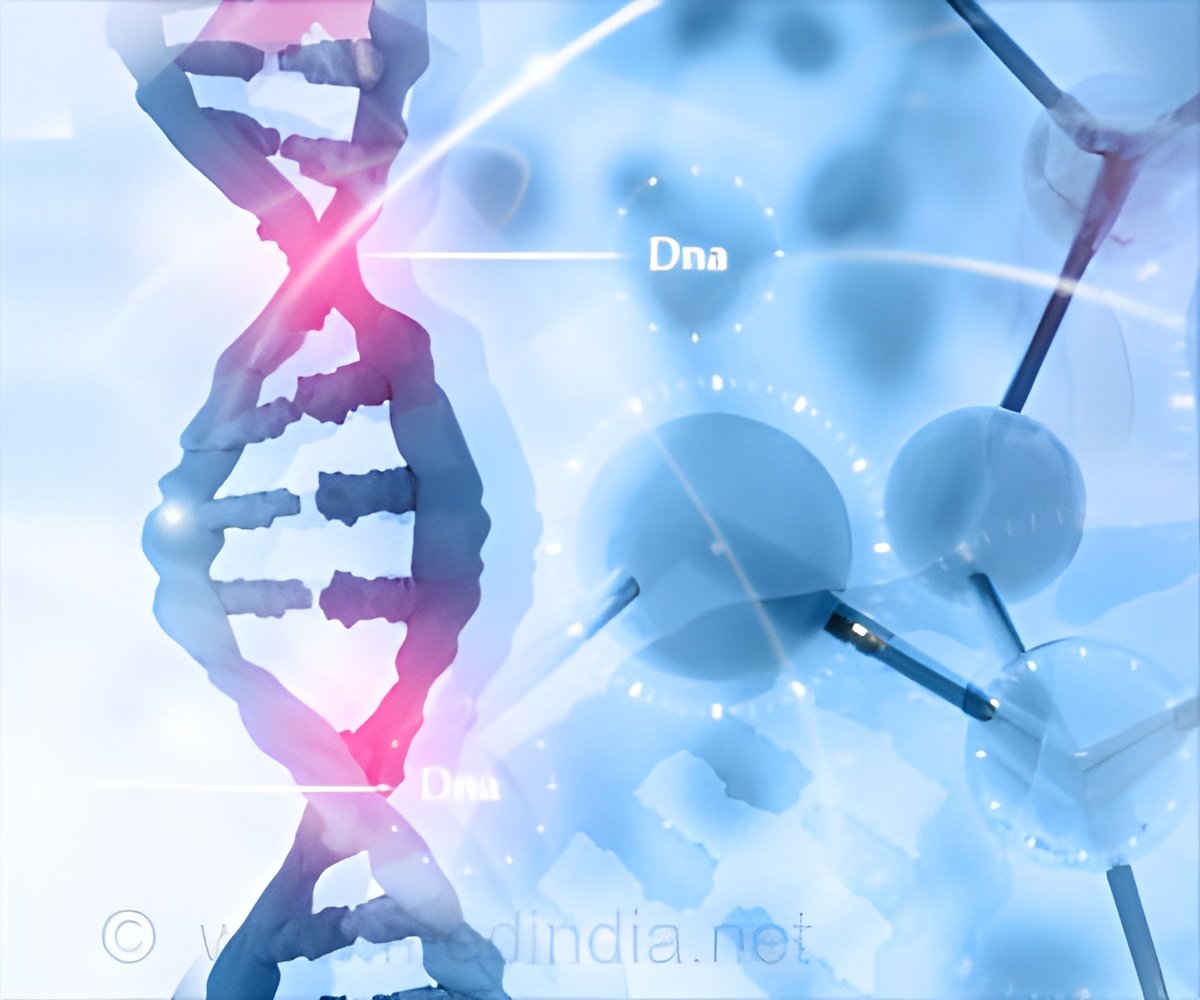
A new molecular technique called LASSO cloning, which can be used to isolate thousands of long DNA sequences at the same time, more than ever before possible has been discovered
Genetics of Alzheimer’s disease
There are numerous genes that have been discovered that are associated with Alzheimer’s disease and indicate increased risk, aiding genetic counseling and better care.
There are numerous genes that have been discovered that are associated with Alzheimer’s disease and indicate increased risk, aiding genetic counseling and better care.
TOP INSIGHT

Each target gene sequence can be up to a few thousand DNA base pairs long, which is the typical size of a gene's protein-coding sequence.
"Our goal is to make it cheap and easy for any researcher in any field to clone and express the entire set of proteins from any organism," says Ben Larman, Ph.D., an assistant professor of pathology at the Johns Hopkins University School of Medicine and the study's co-senior author. "Until now, such a prospect was only realistic for high-powered research consortia studying model organisms like fruit flies or mice."
The new paper describes a new type of captured DNA strand, a tool the authors refer to as a LASSO probe, for long adapter single-stranded oligonucleotide. Collections of these LASSO probes can be used to grab desired DNA sequences --much like a rope lasso is used to capture cattle -- but in this case thousands at a time in a single effort.
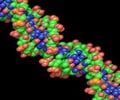
Epigenetics
In the recent years ‘epigenetics’ represents inheritable changes in gene expression that do not include DNA alterations.
In the recent years ‘epigenetics’ represents inheritable changes in gene expression that do not include DNA alterations.
In a proof-of-concept study, LASSO probes were used to simultaneously capture more than 3,000 DNA fragments from the E. coli bacterial genome. The team successfully captured at least 75 percent of the gene targets. Importantly, the researchers say, these sequences are captured in a way that permits scientists to analyze what the genes' proteins do, as demonstrated by conferring antibiotic resistance to an otherwise susceptible cell.
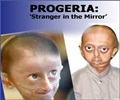
Progeria – Symptoms – Genetics – Diagnosis – Treatment - Prognosis
‘Paa’ is a film in which Amitabh Bachchan, in a rare role reversal, plays son to Abhishek Bachchan, his real-life son!
‘Paa’ is a film in which Amitabh Bachchan, in a rare role reversal, plays son to Abhishek Bachchan, his real-life son!
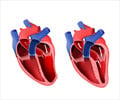
Hypertrophic Cardiomyopathy - Causes, Symptoms, Diagnosis, Treatment and Prevention
Hypertrophic cardiomyopathy (HCM) is an inherited disease of the heart muscle (myocardium).
Hypertrophic cardiomyopathy (HCM) is an inherited disease of the heart muscle (myocardium).
 Email
Email