MEDINDIA
 English
 हिन्दी
 Español
 français
 中文
中文
 Email
Email
- National Eye Institute (NIH) - Color Blindness - (https://www.nei.nih.gov/learn-about-eye-health/eye-conditions-and-diseases/color-blindness)
- Mayo Clinic - Color Blindness: Symptoms and Causes - (https://www.mayoclinic.org/diseases-conditions/color-blindness/symptoms-causes/syc-20354988)
- Colour Blind Awareness - Types of Colour Blindness - (https://www.mayoclinic.org/diseases-conditions/color-blindness/symptoms-causes/syc-20354988)
- American Academy of Ophthalmology - What Is Color Blindness? - (https://www.aao.org/eye-health/diseases/what-is-color-blindness)
What is Color Blindness?
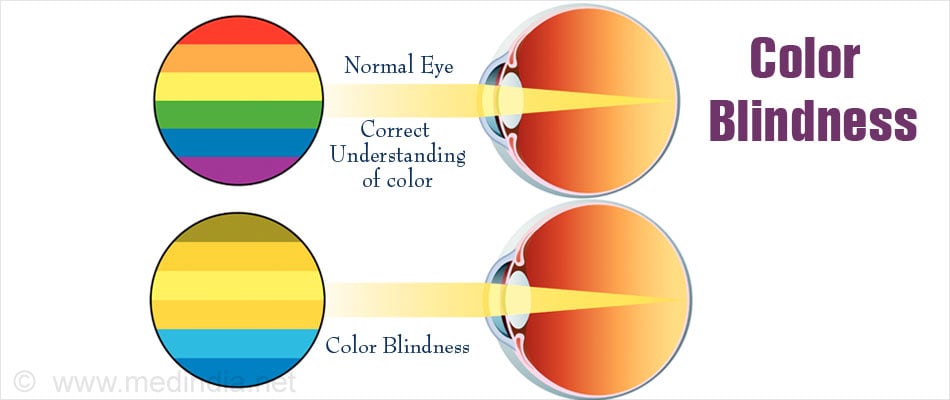
Color blindness is NOT a form of blindness, but is the deficiency of the way the person sees colors. In Color blindness (color - vision deficiency) there is reduced ability to distinguish between certain colors. It occurs when the light-sensitive cells (cones) in the retina DO NOT function properly or are missing.
Usually, a person with color blindness will have trouble seeing one or two colors and perceives them in a different hue than a person with normal color vision. For example, a person with red-green color blindness may see those colors in hues of blue and yellow.
In rare cases of color blindness, people may see the world in black, white, and shades of gray (achromatopsia).
How the Eye Sees Color - Role of Rods and Cones
Retina is a neuro-membrane lining, located at the back of the eye. that is made up of two types of photoreceptor cells called Rods and Cones. When a person sees an object, the image of the object is “projected” on the “screen or the retina.”
Color vision depends on two types of specialized cells in the retina — rods and cones. These photoreceptors capture light and send signals to the brain, allowing us to see in the dark and distinguish different colors.
Rods and Night Vision
- About 120 million rods are present in each retina.
- They are highly sensitive in dim light and allow vision at night.
- Rods cannot perceive color — they only detect light and dark.
- A deficiency of vitamin A can impair rod function, leading to night blindness.
Cones and Color Perception
- Around 6 to 7 million cones are concentrated in the central retina.
- Cones are active in bright light and are responsible for detecting colors.
- There are three types of cones, each sensitive to specific wavelengths:
- S-cones: Blue light
- M-cones: Green light
- L-cones: Red light
- By combining signals from these three cone types, the brain interprets a wide range of colors, shades, and hues.
Genetic Coding and Color Vision Deficiency
- Each cone contains light-sensitive pigments coded by specific genes.
If genetic coding is altered, the pigments malfunction, leading to color vision deficiencies such as red-green or blue-yellow color blindness
What are the Types of Color Blindness?
The functioning of the cones determines the type of color blindness. Categorization based on the missing or malfunctioning of set of cones is as follows:
Monochromatism:
A person with monochromatism would not be able to distinguish any color, usually due to the absence or total malfunction of the cones on the retina.
The person is able to distinguish color objects according to their brightness. This type of color blindness is very rare and usually occurs in combination with other vision problems like nystagmus (involuntary eye movements) and astigmatism (an imperfection in eye curvature).
Monochromacy may exist in rods or cones.
- Rod monochromacy is the total absence or non-functional cones, characterized by sensitivity to light (photophobia) and
poor vision . - Cone monochromacy: Unable to distinguish between colors and perceive in shades of black, white and gray, but the ability to see and light sensitivity are within normal limits.
Dichromatism:
A person with dichromatism usually has two functional types of cones and the third type of cones are malfunctioning or missing. The person cannot perceive a specific section of the light spectrum to which the missing cones are sensitive.
However, the sections of light spectrum overlap along the cones. The functional cones combine the color information perceived by them. Color vision deficiencies thus, occur according to the missing hues.
Protanopia – Red Color Blindness: Red cone cells are missing or non-functional in protanopia. Long wavelength perception is impaired and red colors are perceived as beige or gray. The person would be able to view green and blue when presented singly, but if a combination of blue and green is presented, they see it as gray color.
Confusion between colors is seen as follows:
- Most shades of red are perceived as black.
- Dark brown confused with dark shades of green, red and orange.
- Purples with blues, some reds and dark pinks.
- Middle shades of green confused with orange shades.
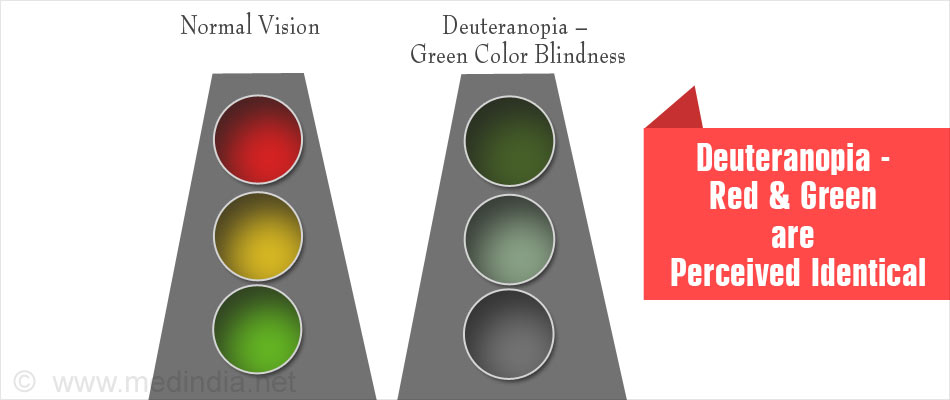
Deuteranopia – Green Color Blindness: Green cone cells of the retina are non-functional or missing in deuteranopia. When a person with deuteranopia is presented with a mixture of green and red colors, they would not be able to make out the difference.
Confusion between colors is seen as follows:
- Middle shades of green and red colors.
- Blue-greens confused with gray and some pink shades.
- Similar shades of reds and browns.
- Bright greens and yellows appear similar.
Tritanopia – Blue Color Blindness: The person is deficient in blue cone cells and is unable to distinguish between yellow and blue colors. So, greens may appear as blue and yellows appear as pink to their eyes. This type of dichromacy is very rare.
Trichromatism:
Anomalous trichromatism, the faulty perception of colors, is a type of color blindness in which all three types of cells function to perceive light and colors, but there is a shift in the sensitivity of the wavelengths of one of the colors.
What are the Causes of Color Blindness?
Genetic Causes
- Color blindness is present from birth and the condition is inherited.
- Most color blindness is inherited through the X chromosome, making it far more common in men.
Acquired Causes
Color blindness that occurs later in life is called acquired color blindness. The causes of acquired color blindness include:
- Eye diseases: glaucoma, macular degeneration, diabetic retinopathy
- Age-related changes: color perception can decline over time - Alzheimer’s disease and Parkinson’s disease
- Eye injuries - Accidents that cause damage to the eye or restrict blood supply to the eyes.
- Medications: when used for a long time, like barbiturates, anti-tuberculosis drugs, medications that help in the treatment of nervous disorders.
- Exposure to chemicals - environmental or industrial chemicals like carbon sulphide and carbon monoxide.

What are the Symptoms of Color Blindness?
The most obvious symptom of color blindness is difficulty in distinguishing or identifying colors. Since color blindness is usually inherited or genetic, it can be identified early if there is a suspicion of color blindness, using clues like the child’s choice of objects and use of colors.
Some of the clues include:
- Inability to tell the difference between red and green colors or yellow and blue colors – this maybe first noticed when they choose red and green color crayons or color pencils.
- The child has less attention span or patience for coloring activities.
- The child uses wrong colors in coloring worksheets.
- They show a lack of interest in activities related to color, for example sorting games based on colors.
- When light is dim, the color discrimination gets worse.
- Some children may have sensitivity to bright lights.
- Some children use their sense of smell to identify food and usually smell their food before eating.
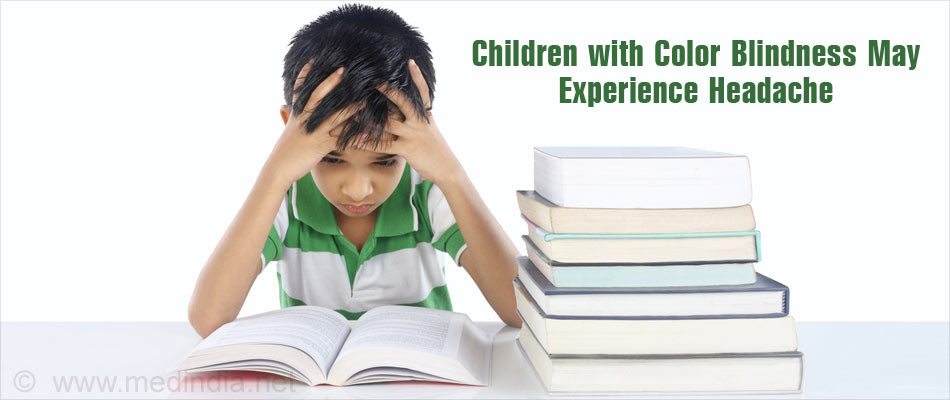
- The child may complain headache or eyestrain when they are asked to look at something that has only red and green colors.
- Difficulty reading color-coded information (charts, maps, traffic lights)
Some associated characteristics of color blindness are:
- Night vision is relatively much better than day vision.
- The child shows an excellent sense of smell and taste.
How Do You Diagnose Color Blindness?
Diagnosis of color blindness is made using screening and quantitative tests. The screening tests help in identifying color blindness while the quantitative tests help in determining the type and severity of color blindness.
Online color blindness tests are available with various websites, but they are helpful only in screening for color blindness. Further, detailed testing is required to determine the severity of the problem so that coping strategies may be worked out.
- ColorDx Color Vision Test – This is self-administered, self-scoring Android app that can be done at home. It is more useful in detecting acquired color vision deficiencies like diabetic retinopathy multiple sclerosis, macular edema and glaucoma.
- Farnsworth-Munsell 100 Hue test – This is a quantitative color blindness test that consists of four trays with small disks of varying hues. The test helps in determining the type and severity of color blindness in the person.
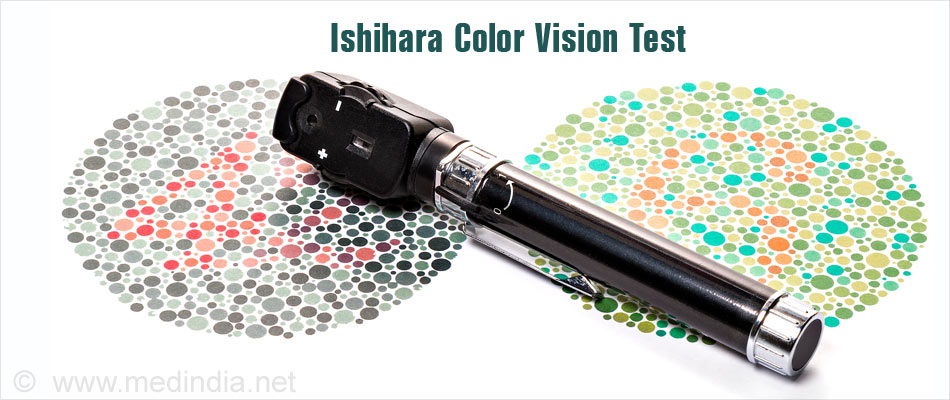
- Ishihara Color Vision Test – The test consists of a booklet with each page containing a circular pattern made by dots of different colors, sizes and brightness. It may appear to be random, but a person with normal color vision would be able to read a number in the circular plate.
Depending on the types of color blindness, the person would not be able to see certain numbers.
Treatment & Assistive Technologies
Currently, there is no cure for inherited color blindness, but several options help people adapt:
- Color Corrective Glasses: Special lenses (e.g., EnChroma) enhance color differences.
Contact lenses with Filters: Sometimes prescribed to improve contrast.- Digital Apps & Tools: Smartphone apps and software can label colors, assist with navigation, or adjust displays.
Coping with color blindness involves understanding the limitations of their own color discrimination. Activities of daily life, like traffic lights, color coding of flavors of food, selecting vegetables based on their colors and other routine work may require an alternative.
Gene therapy for color blindness is still in experimental stages. It involves a process of introducing a photopigment gene that the person with color blindness lacks.
Living with Color Blindness
Most people with color blindness lead normal lives, but a few adjustments can make daily activities easier:
- Use high-contrast designs in learning materials and workplaces.
- Label clothes or use apps to avoid mismatched colors.
- Rely on position rather than color for traffic lights.
- Teachers and employers can make small accommodations to reduce difficulties.
Health Tips
- Regular eye exams are recommended, especially if there is a family history of color blindness.
- Adults too should have regular eyes check ups for conditions that may cause color blindness like macular degeneration, diabetic retinopathy and cataract.
- Eat the right nutrients, especially vitamins.
- Eat fruits and vegetables like papaya, strawberries and carrots that are rich in vitamin A.
- Food such as salmon is rich in omega 3 that help in tear production and relieve dry eyes.

When to See a Doctor
Consult an eye specialist if:
- You or your child have difficulty recognizing colors.
- You notice changes in color vision over time.
- You are starting medications known to affect color vision.
Early detection is important, especially if color blindness is acquired due to another health condition.