MEDINDIA
 English
 हिन्दी
 Español
 français
 中文
中文
There is a clear link between a specific protein, the Zika virus and microcephaly. This explains why neural stem cells are so vulnerable to Zika infection

Natural Antibodies: Potential Cure of Zika Virus Identified
Natural antibodies have been identified in the blood of people infected with Zika, that will help in neutralizing the infection.
Natural antibodies have been identified in the blood of people infected with Zika, that will help in neutralizing the infection.
TOP INSIGHT

The overlap between Zika cases in pregnant women and an increase in babies born with microcephaly strongly suggested that the virus targets stem cells in the developing human brain.
Dr Mike Turner, Head of Infection and Immunobiology at Wellcome said: "This is the first study to show a clear link between a specific protein, the Zika virus and microcephaly. This new finding really helps to explain why neural stem cells are so vulnerable to Zika infection and I hope this can be a first step in determining how we could stop this interaction and disease. It will also be interesting to investigate whether this protein is involved in other viruses, such as Rubella, that can also access and impair the developing human brain."
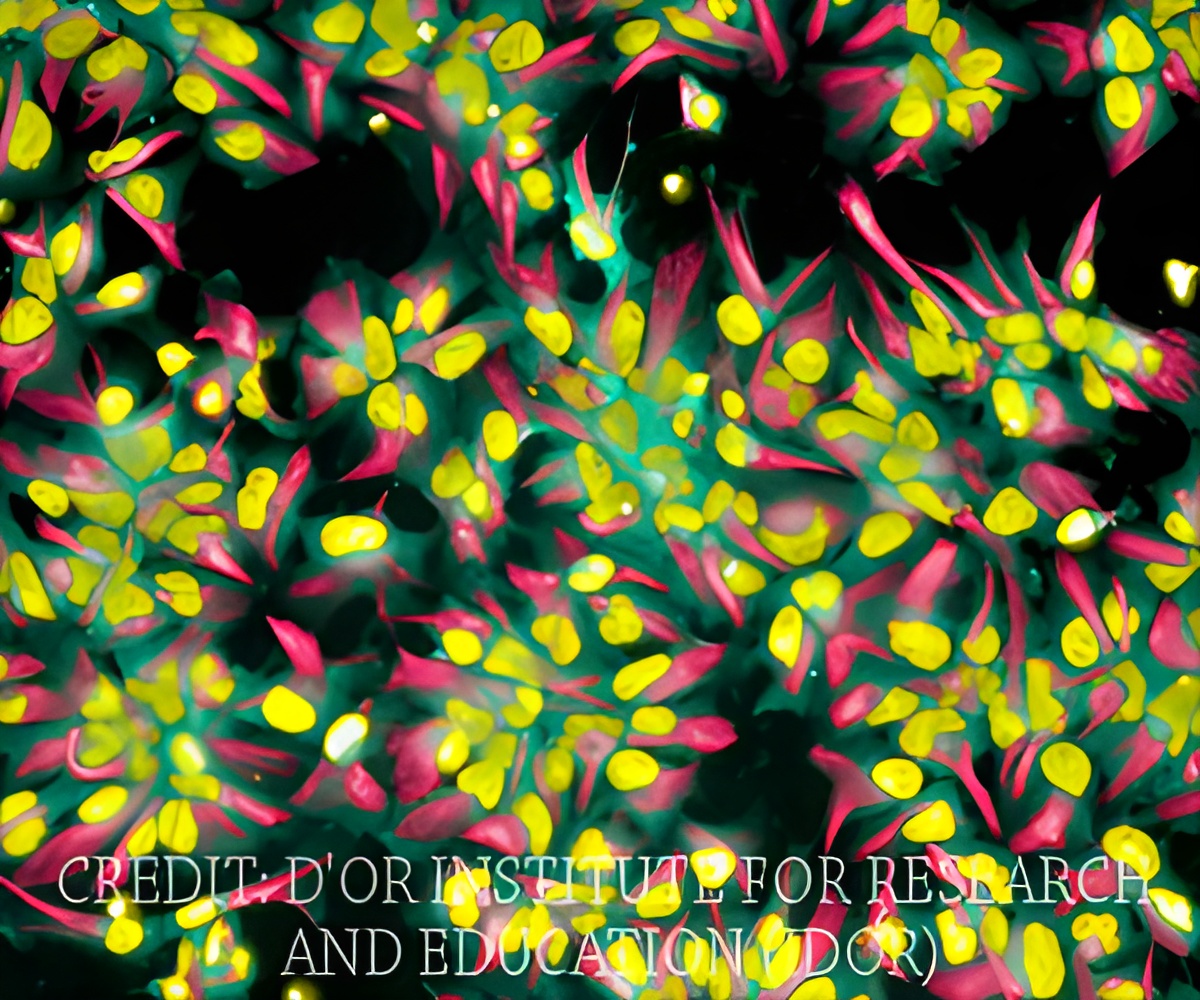
Researchers from the University of Cambridge studied a variety of cell lines, including human neural stem cells, to investigate how Zika virus infection can lead to microcephaly. They suspected that MSI1 - an RNA binding protein - might be important in this process because it is involved in regulating the pool of neural stem cells that are required for normal brain development.
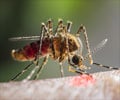
Zika Fever - Causes, Symptoms, Diagnosis, Treatment and Prevention
Zika virus is transmitted to humans by infected mosquitoes which causes mild fever with maculopapular rash. No treatment or vaccine is currently available.
Zika virus is transmitted to humans by infected mosquitoes which causes mild fever with maculopapular rash. No treatment or vaccine is currently available.
Secondly, they showed that MSI1 also disrupts the normal development programme of neural stem cells. In cells infected with Zika virus MSI1 binds to the virus genome in favour of its normal targets in the cell. The virus essentially acts like a 'sponge', preventing MSI1 from working correctly and altering the expression of many genes involved in neuronal development.

First Confirmed Case of Zika-Related Microcephaly in El Salvador
Zika, a virus typically carried by mosquitoes, was first detected in the Central American country in November.
Zika, a virus typically carried by mosquitoes, was first detected in the Central American country in November.
To confirm that MSI1 is important to grow a normal size brain, the scientists demonstrated that MSI1 is mutated in individuals with a rare type of inherited microcephaly (autosomal recessive primary microcephaly) unrelated to Zika infection.
Pregnant Australian Woman Tests Positive For Zika Virus
A pregnant woman from Queensland, Australia has been diagnosed with Zika virus after returning from a country where the virus is prevalent.
A pregnant woman from Queensland, Australia has been diagnosed with Zika virus after returning from a country where the virus is prevalent.
Source-Eurekalert
 Email
Email