MEDINDIA
 English
 हिन्दी
 Español
 français
 中文
中文
Review finds yogurt has limited impact on bone health and fracture prevention in adults with or without osteoporosis.


Health Benefits of Probiotic Yogurt Diet
Probiotic yogurt adds bountiful of beneficial bacteria to the intestinal tract which prove to be effective in aiding digestive problems.
Probiotic yogurt adds bountiful of beneficial bacteria to the intestinal tract which prove to be effective in aiding digestive problems.
TOP INSIGHT

#Yogurt is a nutritional superstar, but its actual impact on adult #bonestrength seems minimal based on a recent review. We need better, more rigorous trials with clear yogurt definitions to really know! #BoneHealth #WorldOsteoporosisDay
Bone Health Disappoints: Yogurt's Weak Link to BMD and Fracture Prevention
Published in Frontiers in Nutrition, the review highlights that while yogurt provides essential nutrients such as protein, calcium, potassium, vitamins, zinc, and selenium, the evidence supporting its ability to improve bone mineral density (BMD) or prevent fractures remains weak.Yogurt is a fermented dairy product produced through the symbiotic activity of Lactobacillus delbrueckii bulgaricus and Streptococcus thermophilus. The fermentation process can generate vitamins and other bioactive compounds, theoretically offering advantages over milk.
To evaluate yogurt’s actual impact, researchers conducted a comprehensive search of Cochrane Library, PubMed, and Scopus databases for studies published between 1970 and 2023, with an updated PubMed search through December 2024.

Yogurt
Yogurt is a simple food with amazing benefits for the young and old. Yogurt is very trendy among French women on a diet. The popularity of yogurt among Americans is proved by its display of flavors.
Yogurt is a simple food with amazing benefits for the young and old. Yogurt is very trendy among French women on a diet. The popularity of yogurt among Americans is proved by its display of flavors.
Evaluating Yogurt: Comparisons Against Placebo and Non-Fermented Dairy
They included adults with or without osteoporosis and analyzed observational studies, randomized controlled trials, and non-randomized interventions that compared yogurt intake with placebo, non-fermented dairy, or no yogurt intake.Data extraction focused on study characteristics, yogurt dosage, population demographics, intervention duration, and outcomes such as fracture risk, BMD, and bone turnover markers. The Newcastle-Ottawa scale assessed risk of bias, while the GRADE approach evaluated the certainty of evidence.
From 1,302 records, only 12 studies (representing 14 datasets) met inclusion criteria, most of which were observational. The populations studied included postmenopausal women and other adult cohorts, primarily from the United States, Europe, and Asia. Only one study specifically investigated yogurt intake; others included yogurt as part of total dairy consumption.
Some studies reported positive associations: high-frequency yogurt consumers showed lower risk of radius osteoporosis, and women with the highest yogurt intake demonstrated slightly higher femoral neck and total hip BMD. A few studies suggested a weak link between yogurt consumption and reduced hip fracture risk.

Top Foods for Strong Bones
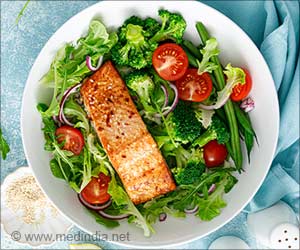
As we get older, our bones start becoming weak, especially in women after menopause. To keep your bones strong, here is the list of recommended top foods.
As we get older, our bones start becoming weak, especially in women after menopause. To keep your bones strong, here is the list of recommended top foods.
Clinically Negligible Effects on Bone: Fracture Risk Unchanged
However, meta-analyses revealed no significant association between yogurt intake and hip fracture risk at typical consumption levels. Although yogurt showed a statistically positive effect on femoral BMD, the effect size was clinically negligible (standardized mean difference ≈ 0.009), indicating minimal impact on skeletal health.The overall certainty of evidence was low due to reliance on observational data, hazard ratios near unity, and lack of dose-response data. Notably, none of the studies detailed yogurt formulations in terms of fat content, fortification, or live bacterial cultures, limiting interpretation of potential mechanisms.
The review concludes that while yogurt consumption trends positively for bone health, current evidence does not substantiate its role in improving BMD or preventing fractures in adults. Researchers emphasize the need for high-quality, randomized controlled trials using standardized and well-characterized yogurt products to determine whether live cultures or formulation differences could meaningfully impact skeletal outcomes, particularly for individuals at risk of osteopenia or osteoporosis.
In summary, yogurt remains a nutritious food with multiple health benefits, but its effectiveness as a strategy to enhance bone strength or reduce fracture risk is not yet supported by robust clinical evidence.
Source-Medindia
World Osteoporosis Day: Strong Bones Start With Awareness
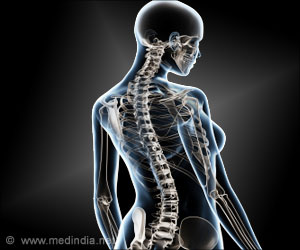
World Osteoporosis Day 2025 urges global action to detect and treat osteoporosis early to prevent fractures and protect lifelong bone health.
World Osteoporosis Day 2025 urges global action to detect and treat osteoporosis early to prevent fractures and protect lifelong bone health.
 Email
Email