MEDINDIA
 English
 हिन्दी
 Español
 français
 中文
中文
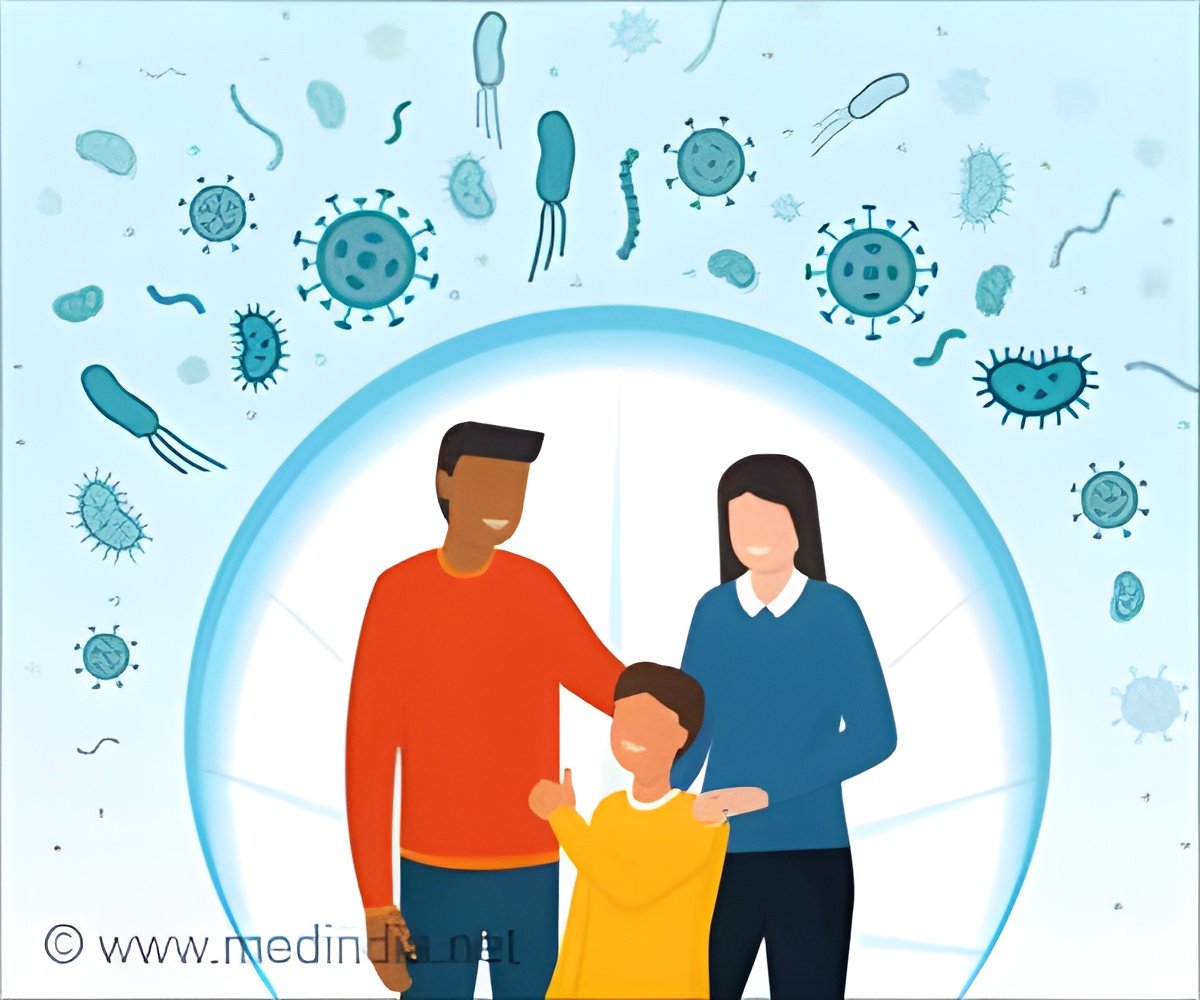
A new study shows that both previous infection and vaccination together yield better protection against COVID-19 Variants.
COVID-19 Vaccine: Myths and Facts
Debunking several misconceptions or myths that have surfaced regarding covid vaccination is important and focus on the facts related to COVID-19 vaccines.
Debunking several misconceptions or myths that have surfaced regarding covid vaccination is important and focus on the facts related to COVID-19 vaccines.
TOP INSIGHT

Knowing the optimal mix of antibodies could help in future preventive efforts against COVID-19.
As a result, antibodies that a person developed after an early infection or after vaccination may not adequately protect the body from these newer emerging variants.
An area of the spike protein called the receptor binding domain, or RBD, enables the virus to invade a host cell. This region is also a critical target for antibodies, but random mutations in the RBD make it an ever-changing target.

Post-COVID Syndrome
Post-COVID complications are the conditions that develop weeks after recovering from COVID-19
Post-COVID complications are the conditions that develop weeks after recovering from COVID-19
In uninfected patients who had received 1 of 2 COVID-19 vaccines, researchers found antibodies that were less effective against mutations in the new variants (like Beta or Gamma) than they were against the original genetic sequence encoded in the vaccine.
Coronavirus
Coronaviruses infect animals, humans, and birds. Human coronaviruses, such as SARS, MERS, and 2019-nCoV cause respiratory distress and even death. The S protein is the infectious agent of the virus.
Coronaviruses infect animals, humans, and birds. Human coronaviruses, such as SARS, MERS, and 2019-nCoV cause respiratory distress and even death. The S protein is the infectious agent of the virus.
These findings suggest that both mild infection and vaccination produce antibodies that still leave a person vulnerable to new variants.
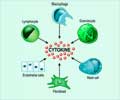
Cytokines - Part of Body's Defence System
Cytokines are chemical signaling molecules produced by immune cells of our body and help cells in the human body to communicate with each other. They are involved in inducing immune response and growth regulation.
Cytokines are chemical signaling molecules produced by immune cells of our body and help cells in the human body to communicate with each other. They are involved in inducing immune response and growth regulation.
These findings also align with similar findings by other groups, published earlier this year, and also show that high-quality antibodies are produced in people who had been infected and vaccinated.
They also help researchers to improve the implementation of vaccines and boosters not only for COVID-19 but also for the next pathogen that comes along.
Source-Medindia
 Email
Email