MEDINDIA
 English
 हिन्दी
 Español
 français
 中文
中文
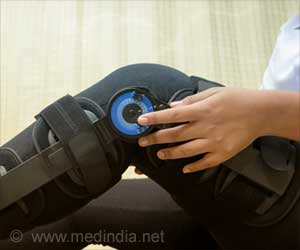
High tibial osteotomy is a knee surgery aimed at younger patients in the earlier stages of knee osteoarthritis. One of its goals is to prevent or delay the need for knee replacement.


Distinct Gender Difference for Pain and Function in Osteoarthritis
Women with late stage knee osteoarthritis are worse off than their male counterparts as far as pain intensity and function is concerned.
Women with late stage knee osteoarthritis are worse off than their male counterparts as far as pain intensity and function is concerned.
TOP INSIGHT

One of the goals of high tibial osteotomy is to prevent or delay the need for knee replacement in younger patients who are in the earlier stages of knee osteoarthritis.
In Canada, rates of total knee replacement are high and increasing, while rates of high tibial osteotomy are low and decreasing. One reason for this is the perception that high tibial osteotomy is not warranted if the joint is going to be replaced soon afterwards. The findings of this new study contradict this perception.
Of the patients in this study getting high tibial osteotomy in London, Ontario (643 knees in 556 patients), 95% did not need a total knee replacement within 5 years, and 79% did not get a total knee replacement within 10 years. Even in patients traditionally not considered ideal candidates for high tibial osteotomy (e.g., women and patients with later-stage disease), about 70% did not get a knee replacement within 10 years.
Get a Total Knee Replacement in the Morning and Go Home That Afternoon
Total knee replacement surgery patients can be safely discharged home the day of surgery, reports a new study.
Total knee replacement surgery patients can be safely discharged home the day of surgery, reports a new study.
"Given these findings, high tibial osteotomy may be underused in Canada and could be performed more often to delay or prevent the need for total knee replacement," says coauthor Dr. Robert Giffin, professor of surgery at Western University's Schulich School of Medicine & Dentistry and the Bone and Joint Institute.
4.5 Million Americans Living With Total Knee Replacement
A new research has found increase in total knee replacement surgeries among Americans.
A new research has found increase in total knee replacement surgeries among Americans.
Nine Out of Ten Total Knee Replacement Surgeries in the US Linked to Obesity
A new study reveals that number of total knee replacement surgeries more than tripled and the number of total hip replacements doubled between 1993 and 2009.
A new study reveals that number of total knee replacement surgeries more than tripled and the number of total hip replacements doubled between 1993 and 2009.
 Email
Email